Physical damage
Collision coverage: the promise that pays for your own car
Liability pays the people you hit. Collision pays for the car you were driving, whoever caused the crash. Here is what triggers it, what caps it and when it stops being worth the premium.
By CoverOath Editorial Team Updated 7 min read
The promise, in short
Collision coverage fixes your own car, or pays what it was worth, when it strikes another vehicle or an object or overturns, no matter who caused the crash. You pay the deductible first, and the insurer never pays more than the car's actual cash value. No state requires it, but a lender or leasing company usually does until the car is paid off. On an older car, compare the premium with what the car is worth; the keep-collision calculator does the arithmetic.
- Pays for
- Your car after a crash
- Cap
- Car's actual cash value
- Common deductibles
- $500 or $1,000
- Required by law?
- No; lenders usually ask
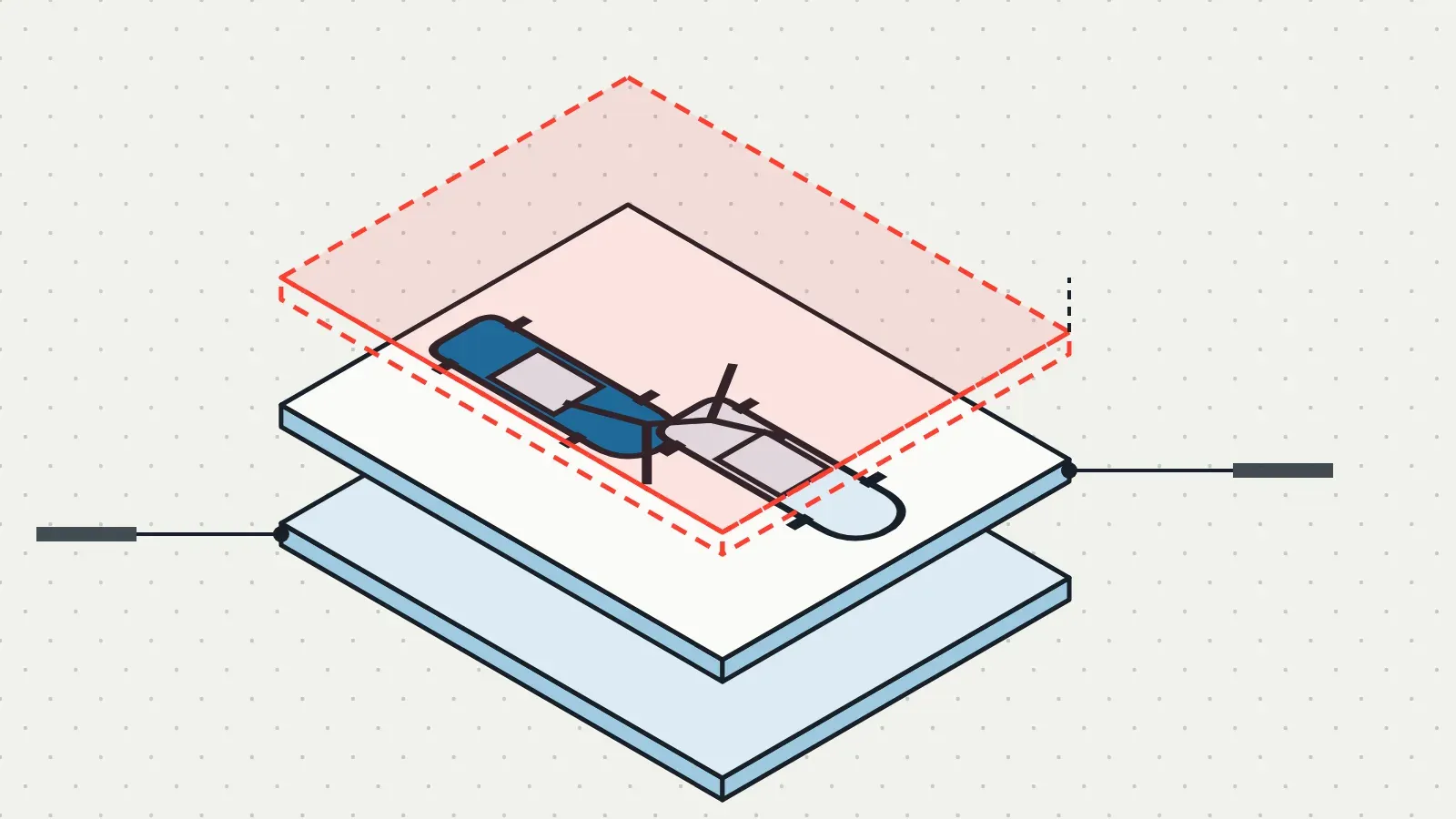
The insuring promise
Collision is a first-party coverage: the insurer pays you, or your repair shop and lender, for damage to a car listed on your policy. The NAIC describes it as paying for physical damage to your car when it collides with an object. The Insurance Information Institute adds that it pays even when you caused the crash, and that it covers hitting a building, a tree or a utility pole, as well as pothole damage and rollovers.
- Trigger: your car striking, or being struck by, another vehicle or an object, or overturning.
- Who gets paid: you, and the lender or lessor named on the policy if the car is financed.
- What is paid: the cost to repair the car, or its actual cash value if it is a total loss, minus your deductible.
- Fault: does not decide whether collision pays; it decides who your insurer can recover the money from afterward.
The deductible and the cap
Two numbers shape every collision payment. The deductible is the part of each claim you pay yourself. The Insurance Information Institute says deductibles are typically $500 or $1,000, and the NAIC reminds buyers that it applies every time a claim is filed. The cap is the car's actual cash value. The Texas Department of Insurance explains that collision has no dollar limit on the declarations page, but the insurer pays only up to the car's value: the cost to replace it, minus depreciation.
| Situation | Repair cost or value | Insurer pays with a $1,000 deductible |
|---|---|---|
| Repairable damage | $4,200 repair | $3,200 |
| Damage below the deductible | $800 repair | $0 |
| Total loss | $14,000 actual cash value | $13,000 |
A total loss is paid at the car's value, not at the price you paid or what you still owe. If the loan balance is higher, the difference is the job of gap insurance. If you want a new car rather than a check for the old one's value, that takes a new car replacement add-on.
When someone else caused the crash
If another driver hit you, their property damage liability should pay for your car. You can claim against it directly, or you can use your own collision coverage and let your insurer chase the other side. The Insurance Information Institute notes that when your insurer recovers its payment from the other driver's insurer, you get your deductible back as well.
Using your own collision first can be faster, because your insurer does not have to wait for the other company to accept fault. If the other driver had no insurance, uninsured motorist property damage may pay instead in states that offer it.
What collision does not pay
- Hitting an animal. A deer strike is usually handled under comprehensive coverage, not collision.
- Wear and mechanical failure. The Insurance Information Institute says collision doesn't pay for mechanical failure or normal wear and tear.
- Excluded uses. The Texas Department of Insurance lists ride-hailing and paid delivery, racing, business use and driving in Mexico among the things most policies don't cover.
- Damage you cause on purpose. Intentional damage is excluded.
- Equipment that isn't built in. The same Texas list includes equipment not permanently installed in the car; for parts you added, ask about custom equipment coverage.
Who requires it
No state makes collision coverage part of its minimum. The NAIC notes it may be required by your lender or lessor, and the Texas Department of Insurance says that if you still owe money on a car, your lender will require both collision and comprehensive. If you drop them while the loan is open, the lender can buy single-interest coverage and add the cost to your payment; the TDI describes it as expensive and protecting only the lender. This pairing is what people usually mean by full coverage.
Choosing a deductible, or dropping the coverage
- Pick a deductible you could pay tomorrow. The Insurance Information Institute estimates that raising collision and comprehensive deductibles from $200 to $500 could cut their cost by 15 to 30 percent, and going to $1,000 can save 40 percent or more.
- Read your loan or lease contract first. Its insurance section says what you must keep while you owe money; check it before you change the deductible.
- Price the car every year. Collision never pays more than the car is worth, and that number falls each year.
- Apply a rule of thumb. The Insurance Information Institute suggests that if the car is worth less than 10 times the premium, the coverage may not be cost effective. The keep-collision calculator runs the test.
Before you drop it, ask one more question: could you replace the car from savings if it were totaled tomorrow? If not, collision may still be worth carrying on a modest car.
Questions drivers ask
Does collision coverage pay if the accident was my fault?
Yes. Fault does not decide whether collision pays. You pay the deductible, and the insurer pays the rest of the repair cost, up to the car's actual cash value.
Is hitting a deer a collision claim?
Usually not. Striking an animal is normally covered under comprehensive coverage, which has its own deductible.
Does collision cover a rental car while mine is in the shop?
No. That is rental reimbursement, a separate add-on with daily and total limits.
Is collision coverage required by law?
No state requires it as part of the legal minimum. Lenders and leasing companies usually require it until the car is paid off.
Drawn from
- NAIC — Auto insurance consumer guide
- Insurance Information Institute — What is covered by a basic auto insurance policy?
- Insurance Information Institute — How much auto coverage do I need?
- Insurance Information Institute — Nine ways to lower your auto insurance costs
- Texas Department of Insurance — Auto insurance guide
Facts on this page were checked against these sources on November 15, 2026. The savings percentages and the 10-times-the-premium rule of thumb are the Insurance Information Institute's estimates, not a promise about any insurer's prices; the claim table uses round illustrative figures.
Have this coverage priced
CoverOath doesn't sell insurance. Answer five questions and CoverOath passes your request to licensed insurance agents and insurers, who can quote the coverage; you decide whether to buy anything.
- 1 The coverage you want priced.
- 2 Where an agent can reach you, and your consent.
- 3 A licensed insurance agent or insurer contacts you with a quote. Nothing is bought until you agree.
CoverOath is not paid by you. The licensed insurance agents and insurers who contact you set their own prices and terms. How we make money.
Adjacent layers
-
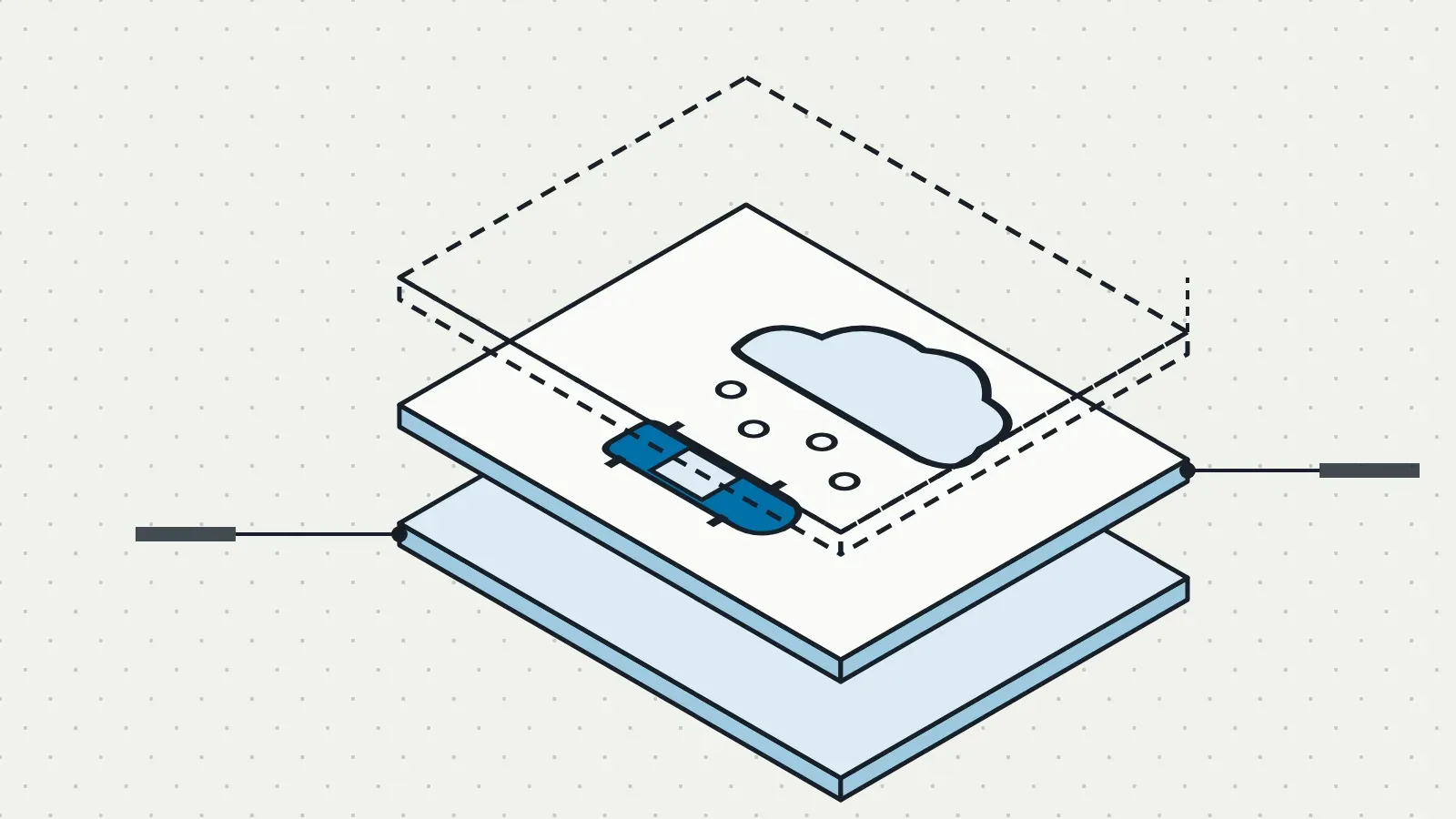
Core coverage
Comprehensive coverage
Pays for theft, hail, fire, flood, vandalism and animal strikes to your car, minus your deductible.
-
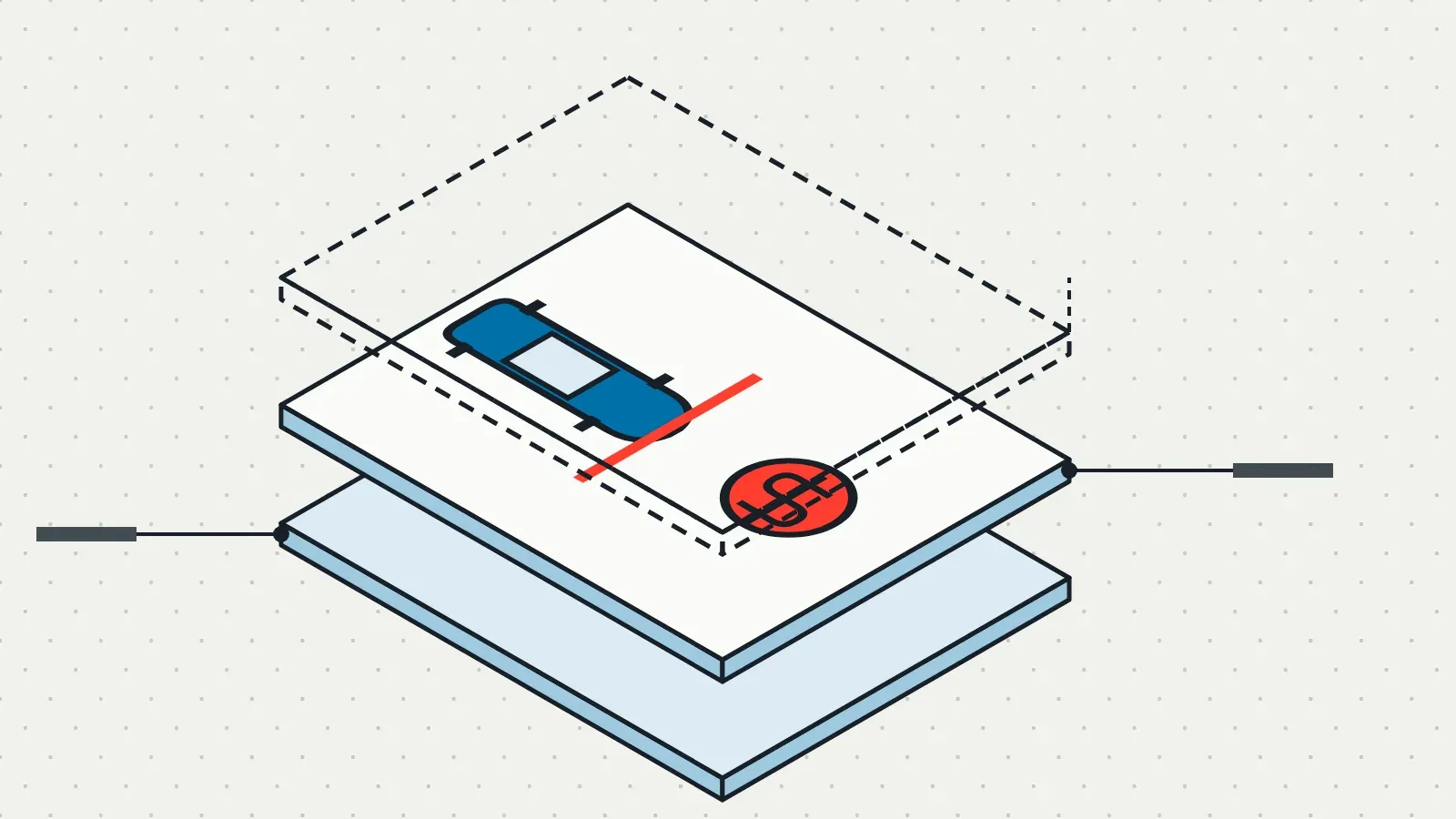
Add-on
Gap insurance
Pays the loan balance left after a total loss when you owe more than the car's actual cash value.
-
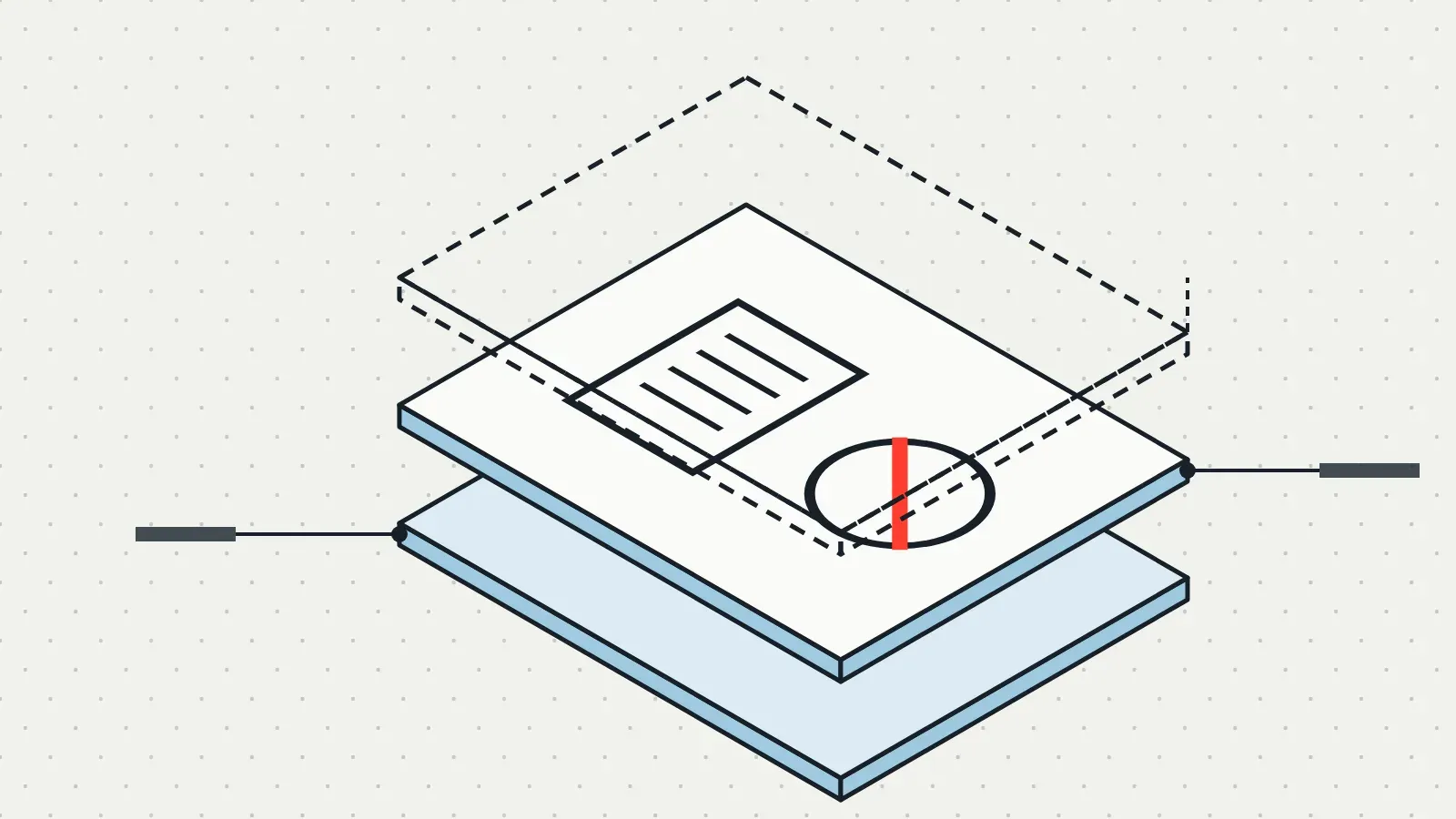
Fine print
Car insurance exclusions
Intentional damage, paid rides and deliveries, wear and breakdowns: what personal auto policies commonly leave out.