Injury coverage
Uninsured motorist coverage: your own policy standing in for theirs
When the driver who hits you has no insurance, UM is the layer that pays for your injuries. Here is what it covers, what it leaves out, and how to set its limit.
By CoverOath Editorial Team Updated 7 min read
The promise, in short
Uninsured motorist (UM) coverage pays your medical bills, lost wages and pain and suffering when an at-fault driver has no liability insurance, and in most states when a hit-and-run driver causes the crash. It pays up to the UM limit you chose, which is usually capped at your own liability limits. About one driver in seven was uninsured in 2023, so the coverage is required in roughly 20 states and D.C.; the rest make insurers offer it, and you can turn it down only in writing. Check your state's menu before you decide.
- Pays for
- Your injuries
- Drivers uninsured, 2023
- 15.4%
- Required in
- About 20 jurisdictions
- Usual limit
- Up to your liability
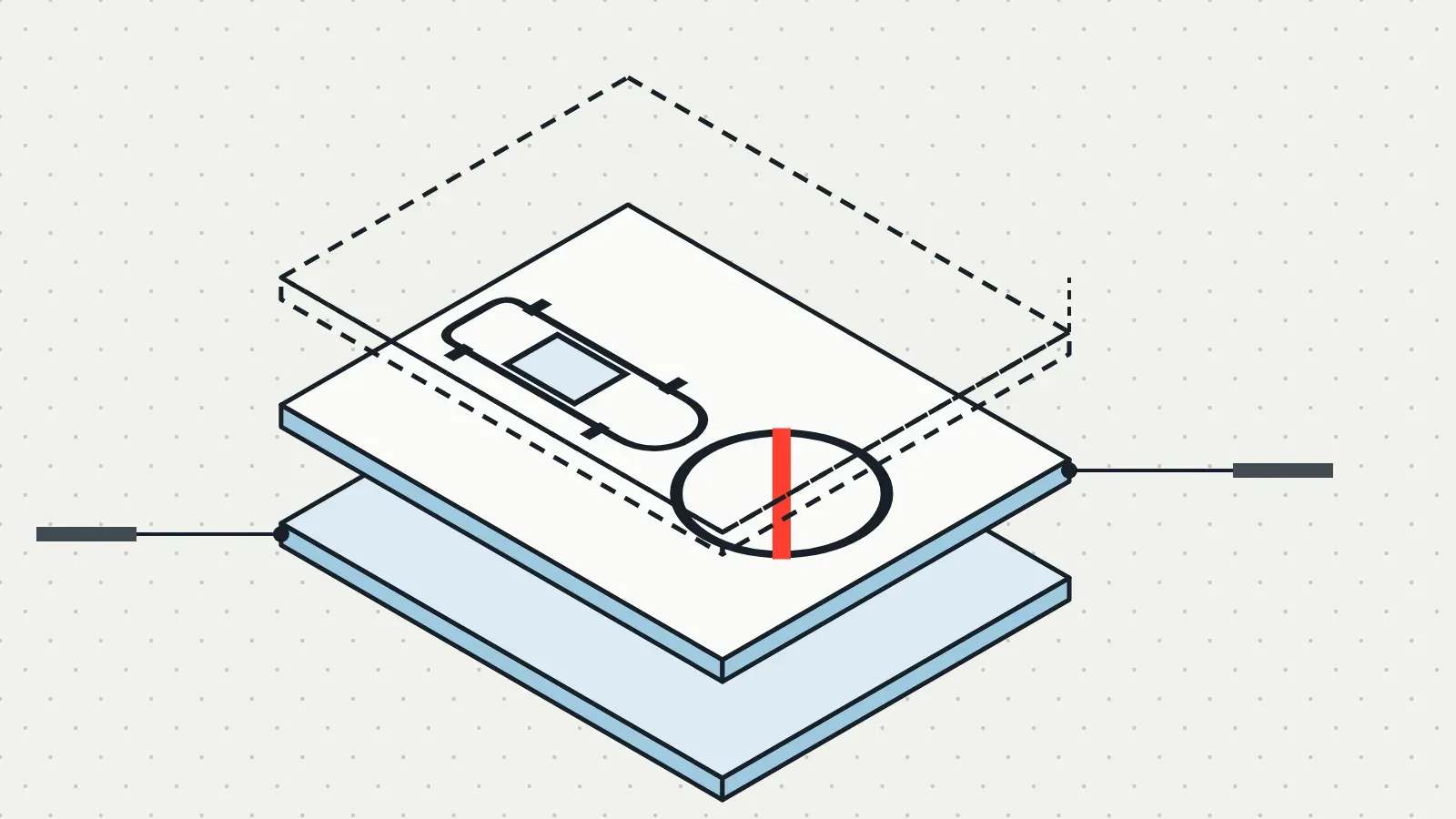
What uninsured motorist coverage promises
Most of a car insurance policy pays other people. Bodily injury liability pays the people you hurt; property damage liability pays for what you break. Uninsured motorist coverage flips the direction: it pays you, from your own insurer, for the injury claim you would have made against the other driver if that driver had been insured.
The insurer steps into the uninsured driver's shoes. You still have to show the other driver was at fault and what your injuries are worth, just as you would against their insurer. The difference is that the person paying is your own company, under your own policy, up to the UM limit printed on your declarations page.
- Medical bills for you and the passengers in your car.
- Lost wages while you recover.
- Pain and suffering and other non-economic damages, where state law allows them.
- You and your household in most policies even when you are a pedestrian or a passenger in someone else's car.
When UM applies, and when it doesn't
| Situation | Does UM usually pay? | What to check |
|---|---|---|
| At-fault driver has no insurance | Yes | Proof of fault and of your injuries |
| Hit-and-run driver | Yes, in most states | Police report deadline; some states require physical contact |
| At-fault driver's limit is too low | Only with UIM | See underinsured motorist coverage |
| Damage to your car | No, that is a separate coverage | UMPD or collision |
UM is about injuries. Damage to your car from an uninsured driver goes to uninsured motorist property damage where your state sells it, or to your collision coverage after the deductible. When the other driver has insurance but not enough of it, that is underinsured motorist coverage, which many insurers sell as one combined UM/UIM line.
Why it matters more than it used to
The Insurance Research Council estimated that 15.4% of drivers were uninsured in 2023, up from 12.4% in 2017. Counting drivers whose limits were too low to pay for the injuries they caused, it put the combined share at 33.4%, about one in three. The rate differs widely by state: the same study ranked Mississippi highest at 28.2% and Maine lowest at 5.7%.
State minimum liability limits are low compared with the cost of a serious injury. A driver carrying a $25,000 per-person minimum is, for a hospital stay, not much better than a driver carrying nothing. UM and UIM are the only part of your policy that responds to that gap without a lawsuit against the other driver.
What happens after a UM claim
A UM claim is a claim against your own insurer, but the two of you are on opposite sides of the question of what your injury is worth. The adjuster will ask for medical records, wage statements and the police report, and may ask for a recorded statement. If you cannot agree on fault or value, many policies send the dispute to arbitration; others leave it to a lawsuit against the insurer.
After paying you, your insurer can try to collect from the uninsured driver. That right, called subrogation, often recovers little from someone who could not afford insurance, which is one reason the coverage costs what it does. Your own duty is to cooperate, keep records, and not settle with the other driver without your insurer's consent, since that can cut off its recovery and your claim with it.
How states treat UM
The Insurance Information Institute counts about 20 jurisdictions where uninsured motorist coverage is mandatory. In most of the others, insurers must offer it with every liability policy, and it stays on the policy unless the buyer rejects it, usually by signing a rejection form. Some states also require insurers to offer UM at limits equal to your liability limits, and some let you stack UM across several cars.
Required
Every policy carries UM at least at the state minimum. You may usually buy more, not less.
Offered, reject in writing
The insurer must include or offer it; removing it takes your signature on a state-approved form.
Your state menu page shows which group your state is in, whether UIM is part of the requirement, and whether stacking is allowed.
How to choose a UM limit
- Start from your liability limits. Many insurers cap UM at the bodily injury limit you buy for others, and matching them is the usual starting point.
- Look at your health coverage. Health insurance pays medical bills, but not lost wages or pain and suffering, and it may seek repayment from a settlement.
- Count the people in your car. The per-accident limit is shared by everyone hurt in the crash.
- Price the step up. Ask for a quote at two levels; use the liability limits calculator to see what a large claim would leave uncovered.
If you decide to reject UM or take less than your liability limits, read the form before you sign it. A signed rejection is hard to undo after a crash, and in many states it carries over to renewals until you ask for the coverage back.
Questions drivers ask
Does uninsured motorist coverage pay for damage to my car?
Usually not. UM covers injuries. Car damage from an uninsured driver goes to uninsured motorist property damage (UMPD) where it is sold, or to collision coverage after your deductible.
Will a UM claim raise my premium?
Many states limit surcharges for accidents you did not cause, and a UM claim by definition involves another driver at fault. Ask your insurer how it treats not-at-fault claims, and check your state insurance department's rules.
Is UM worth it if I have good health insurance?
Health insurance pays medical bills but not lost income or pain and suffering, and it may have deductibles and a right to be repaid from a settlement. UM fills those gaps. Compare with MedPay and PIP.
Can I be covered by UM when I'm not in my own car?
In most policies, yes: you and resident relatives are usually covered as pedestrians, cyclists or passengers in another car. The policy's definition of an insured person decides it.
Drawn from
- Insurance Research Council — Uninsured and Underinsured Motorists: 2017–2023, news release (February 20, 2025)
- Insurance Information Institute — Background on: Compulsory auto/uninsured motorists
- NAIC — Auto insurance consumer guide
Facts on this page were checked against these sources on November 15, 2026. Uninsured driver estimates are the Insurance Research Council's latest (2023 data, published in 2025); state rules change, so confirm yours with your state insurance department.
Have this coverage priced
CoverOath doesn't sell insurance. Answer five questions and CoverOath passes your request to licensed insurance agents and insurers, who can quote the coverage; you decide whether to buy anything.
- 1 The coverage you want priced.
- 2 Where an agent can reach you, and your consent.
- 3 A licensed insurance agent or insurer contacts you with a quote. Nothing is bought until you agree.
CoverOath is not paid by you. The licensed insurance agents and insurers who contact you set their own prices and terms. How we make money.
Adjacent layers
-
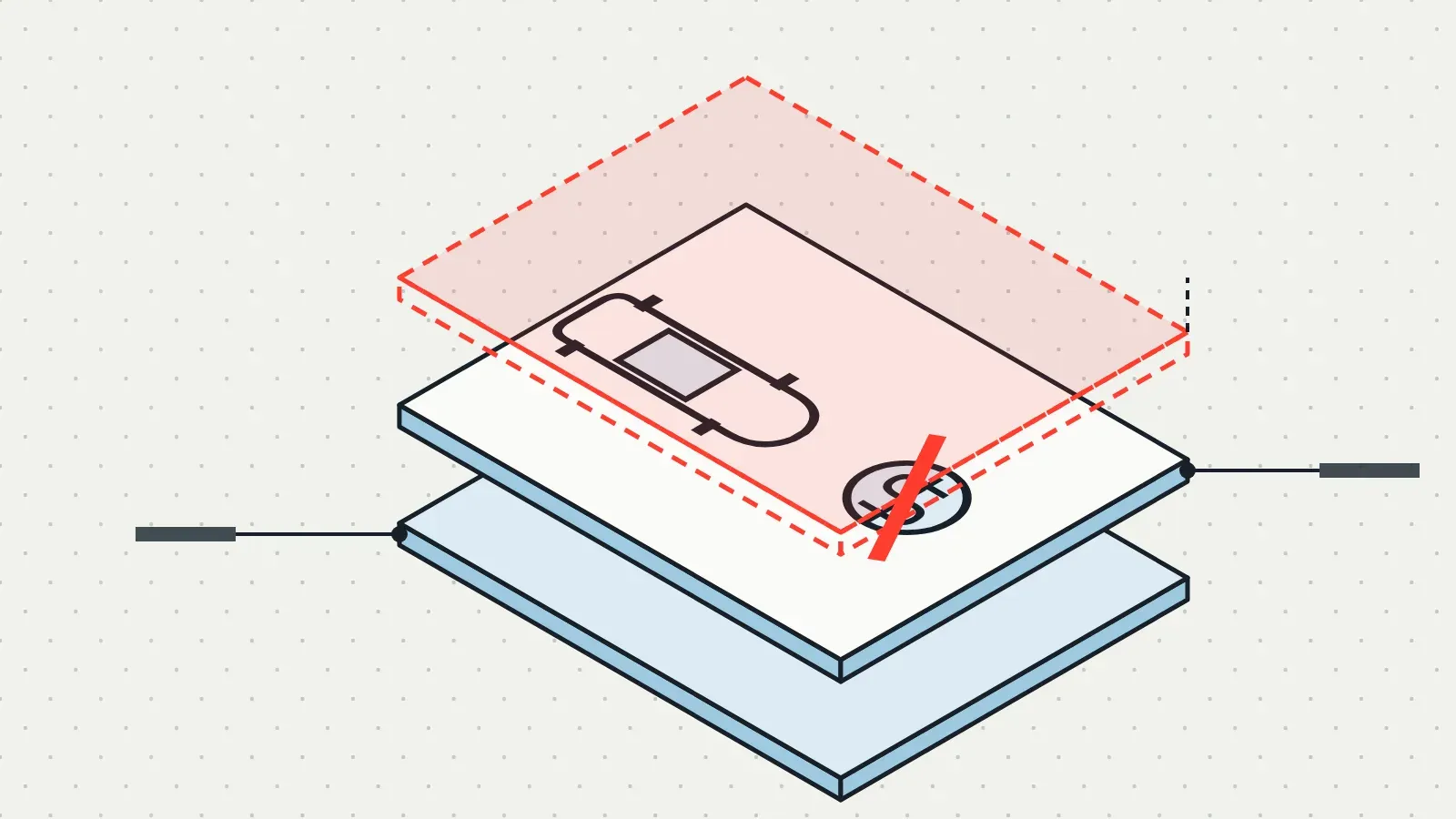
Core coverage
Underinsured motorist coverage (UIM)
Pays your injuries above the at-fault driver's limit. Added-on UIM stacks on their payment; offset UIM subtracts it.
-
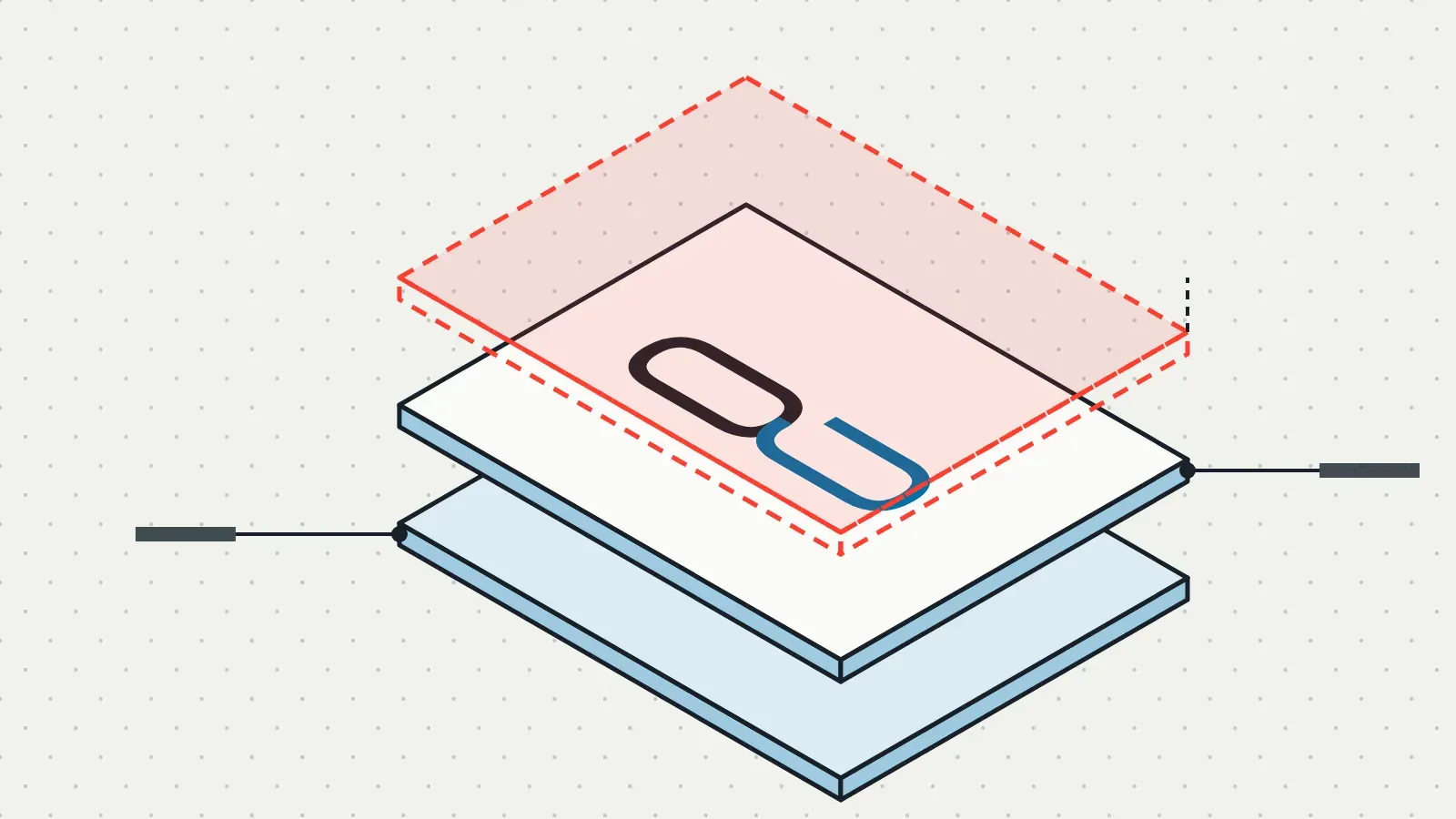
Fine print
Stacking UM/UIM coverage
Whether UM limits on several cars add up. Pennsylvania and Florida stack by default; California bans it.
-
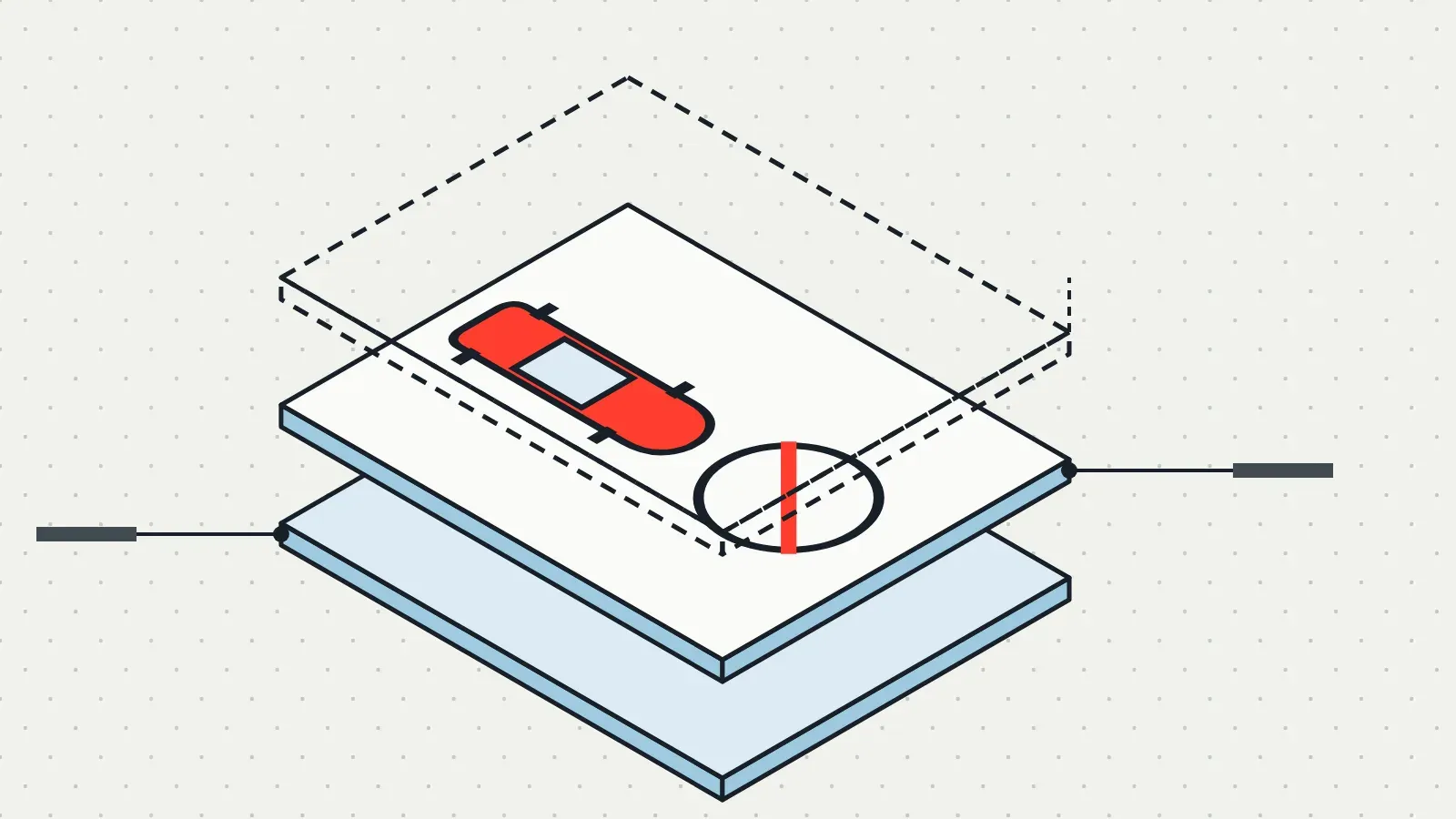
Core coverage
Uninsured motorist property damage (UMPD)
Pays to fix your car when an identified uninsured driver is at fault. California caps it at $3,500.