Total loss add-on
Gap insurance: the plate between the car's value and the loan
When a financed car is totaled, your policy pays what the car was worth, not what you owe. Gap coverage is the add-on that pays the rest. Here is how it is sold, what it leaves out and when you no longer need it.
By CoverOath Editorial Team Updated 7 min read
The promise, in short
If a financed or leased car is totaled or stolen, collision or comprehensive pays its actual cash value, minus your deductible. If you owe more than that, gap coverage pays the difference to the lender. It matters most in the first years of a loan with a small down payment or a long term. You can buy it from your car insurer as an add-on or from the dealer or lender as a GAP waiver; compare both before you sign, and drop it once the loan falls below the car's value. Try the numbers in the gap calculator.
- Pays
- Loan minus car's value
- Needs first
- Collision + comprehensive
- Sold by
- Insurers, dealers, lenders
- Optional?
- Usually, except leases
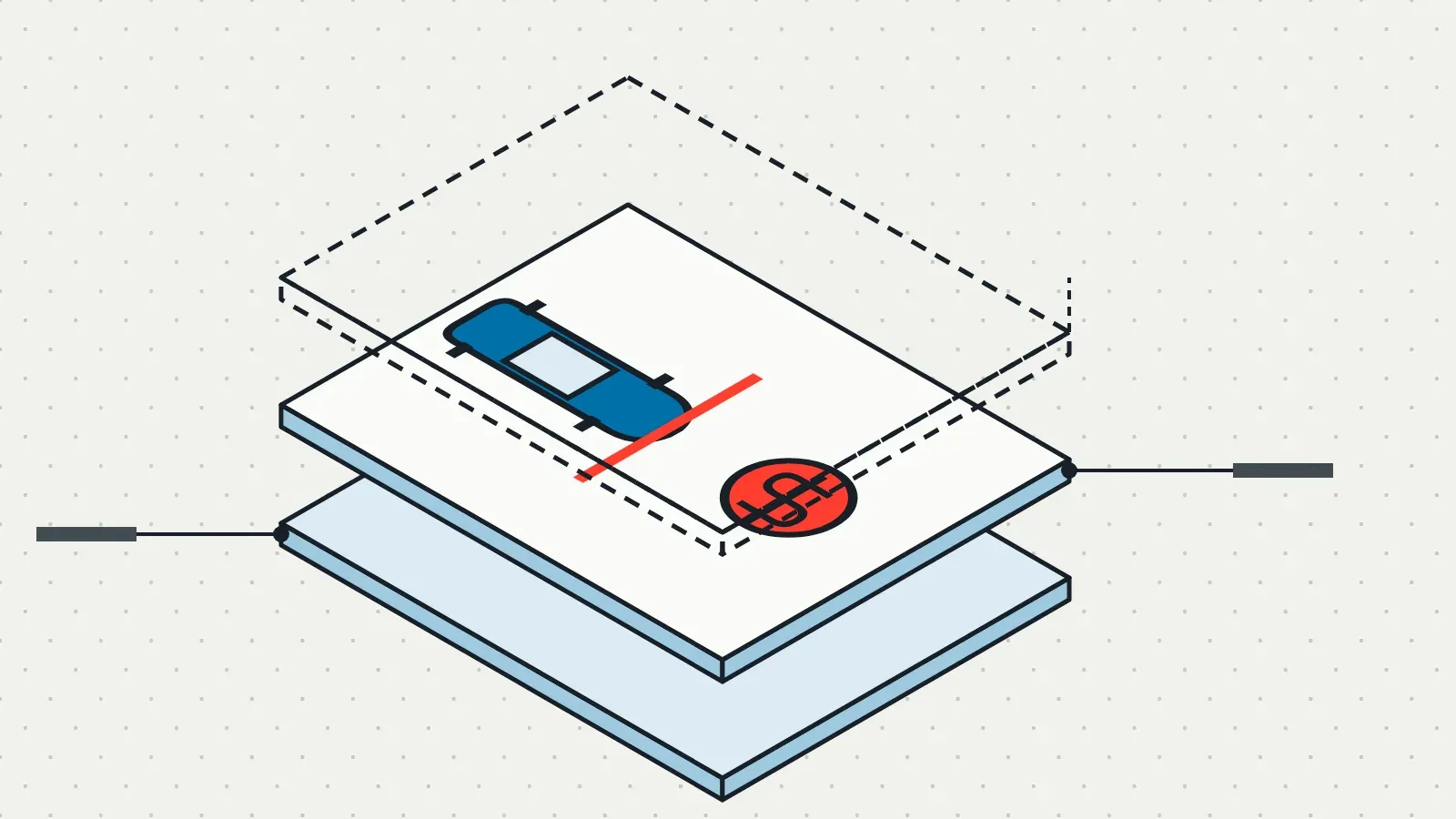
Where the gap comes from
A new car loses value fastest in its first years, while a loan is paid down slowly at first because early payments are mostly interest. For a while the balance is higher than the car's value. If the car is totaled then, collision or comprehensive pays its actual cash value: what a similar car sold for just before the loss, not the price you paid. The lender still expects the full balance.
| Line | Amount | Who pays it |
|---|---|---|
| Loan payoff on the day of the loss | $28,000 | Owed to the lender |
| Car's actual cash value | $22,000 | Basis of the insurer's payment |
| Collision deductible | $1,000 | You |
| Insurer pays | $21,000 | Collision coverage |
| Left on the loan | $7,000 | You, unless gap coverage pays |
The gap in this example is $6,000: the payoff minus the car's value. Gap coverage is built to pay that part. Whether it also pays your $1,000 deductible depends on the product: some do, many don't.
Who is most likely to owe more than the car
The Insurance Information Institute lists the situations where a gap is likely: a down payment under 20%, a loan of 60 months or longer, a lease, a model that loses value faster than average, or a loan that rolled in negative equity from a previous car. Most lease contracts require gap protection, and many include it in the lease price; read yours before buying it twice.
- Small down payment. The loan starts close to the price, while the value drops as you drive away.
- Long loan term. A 72- or 84-month loan pays down principal slowly, so the gap lasts longer.
- Negative equity rolled in. Money still owed on a trade-in is added to the new loan.
- Fees and add-ons financed. Taxes, service contracts and other products raise the balance but not the car's value.
Gap insurance or a GAP waiver
Gap coverage from your car insurer
An endorsement on your auto policy, sometimes called loan/lease payoff coverage. It usually requires collision and comprehensive on the same car, renews with the policy, and can be removed when you no longer need it.
GAP waiver or GAP contract from the dealer or lender
Sold with the loan, often for one price financed into it, so you also pay interest on it. The Consumer Financial Protection Bureau notes the price can vary greatly and you may be owed a refund if you sell, refinance or pay off early.
The CFPB also says GAP is generally optional: if a dealer or lender tells you it is required, ask to see where the sales contract says so. If it truly is a condition of the loan, its cost must be counted in the finance charge and the disclosed APR.
How a gap claim is paid
Gap coverage only starts once the main claim is settled. Your insurer first decides the car is a total loss, sets its actual cash value and pays that amount, minus the deductible, to the lender named on the policy. The gap insurer or GAP provider then asks the lender for the payoff on the date of the loss and pays the remaining balance, within its caps. Expect to send the settlement letter, the loan contract and a payment history.
Timing matters. Interest keeps running on the loan while the claim is open, and a gap product that only pays the balance as of the loss date may not cover interest that builds up afterward. Keep making payments until the lender confirms in writing that the loan is closed, so late fees and a missed payment on your credit report don't add a second problem.
If you dispute the car's value, do it before the gap is calculated: every dollar added to the actual cash value is a dollar less the gap product has to pay, and a dollar less you could owe if its cap is reached.
What gap coverage does not do
- It pays only after a total loss or an unrecovered theft, not for repairs.
- It doesn't buy a new car. That is new car replacement, a different add-on with its own age and mileage limits.
- It doesn't pay missed loan payments or extend a loan; credit insurance is a separate product.
- It doesn't replace collision or comprehensive. Without the base coverage there is no settlement for gap to top up.
When to drop it
- Get the payoff. Ask the lender for the current payoff amount, not the original loan.
- Estimate the car's value. Use recent sale prices of the same model, year and mileage.
- Compare. When the payoff is below the value, the gap is gone. The gap calculator estimates the month it closes.
- Remove or cancel. Drop an insurer's endorsement at any time; for a dealer's GAP contract, ask the provider about a prorated refund.
Questions drivers ask
Does gap insurance pay my deductible?
Some gap products include the deductible, many don't. The insurer's endorsement or the GAP contract says which; look for the word deductible in its definitions of what is paid.
Is gap insurance required?
Generally not for a loan, according to the CFPB. Lease contracts usually require gap protection, and many leases already include it. A lender that requires it must include its cost in the finance charge.
Can I buy gap coverage after I bought the car?
Insurers often let you add it to a policy for a car you financed recently, as long as you are the first owner and carry collision and comprehensive; the rules differ by company. Ask before the car is a few years old.
What happens to a dealer GAP contract if I refinance?
The original GAP contract usually ends with the original loan. The CFPB says you may be due a refund when you sell, refinance or pay off early; ask the provider. See how endorsements attach to a policy for the insurer version.
Drawn from
- Consumer Financial Protection Bureau — What is Guaranteed Asset Protection (GAP) insurance?
- Consumer Financial Protection Bureau — Am I required to purchase an extended warranty, GAP insurance, or credit insurance?
- Insurance Information Institute — What is gap insurance?
Facts on this page were checked against these sources on November 15, 2026. The worked example uses round illustrative figures; gap products' caps and exclusions differ, so read the endorsement or contract you are offered.
Have this coverage priced
CoverOath doesn't sell insurance. Answer five questions and CoverOath passes your request to licensed insurance agents and insurers, who can quote the coverage; you decide whether to buy anything.
- 1 The coverage you want priced.
- 2 Where an agent can reach you, and your consent.
- 3 A licensed insurance agent or insurer contacts you with a quote. Nothing is bought until you agree.
CoverOath is not paid by you. The licensed insurance agents and insurers who contact you set their own prices and terms. How we make money.
Adjacent layers
-
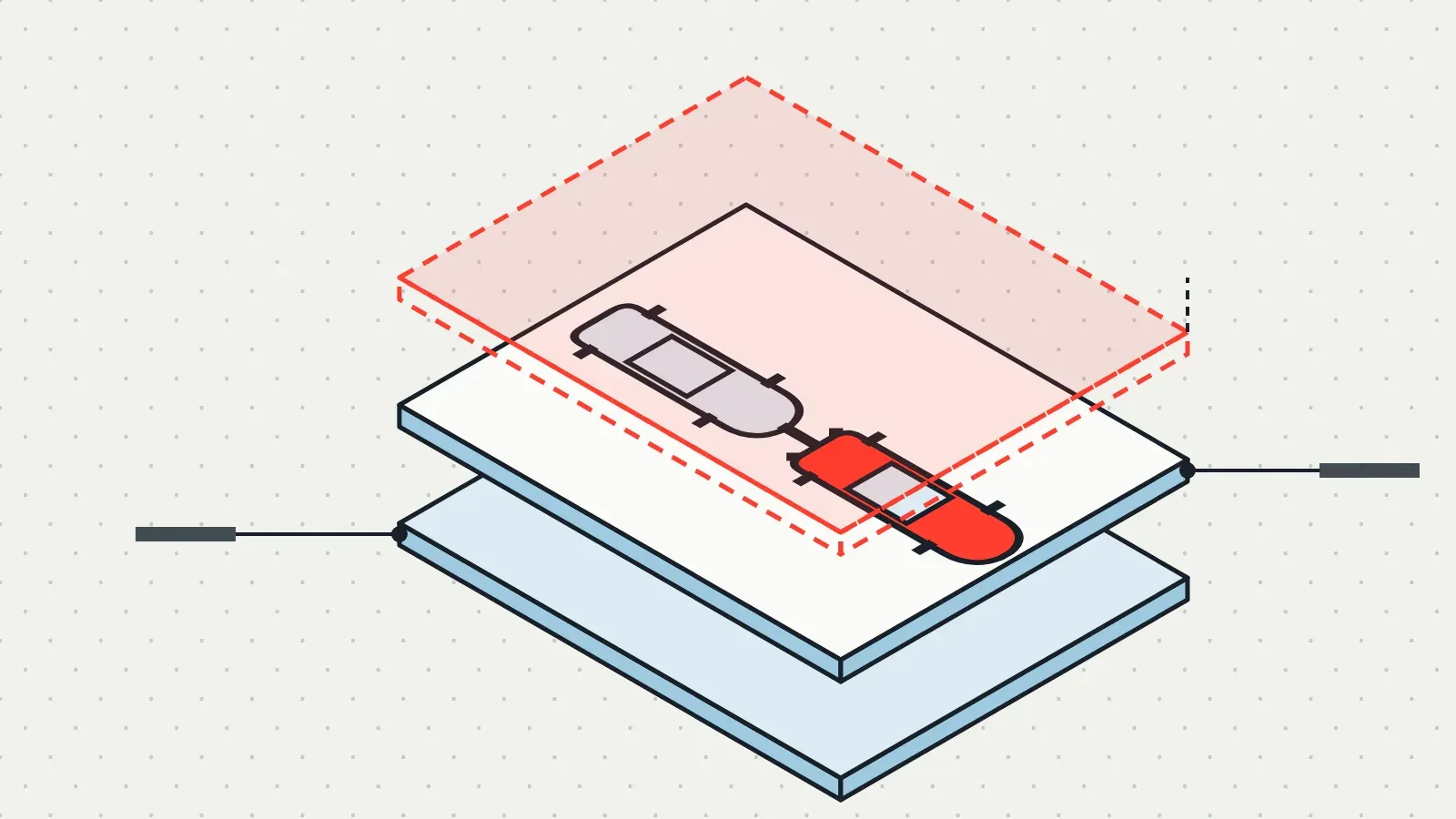
Add-on
New car replacement
Pays for a new car of the same make and model if a new car is totaled, often within its first year.
-
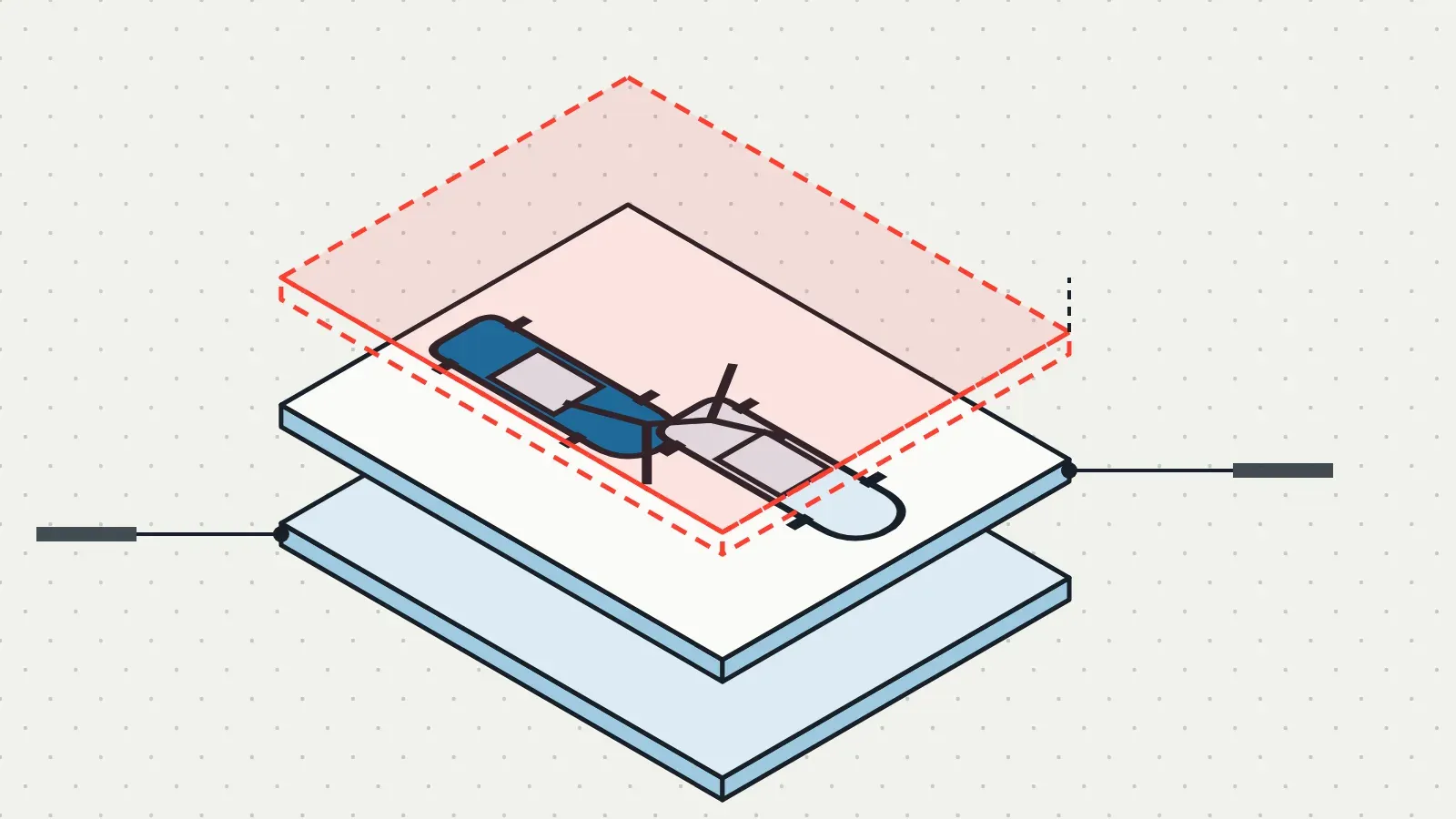
Core coverage
Collision coverage
Pays to fix or replace your car after a crash, at fault or not, minus your deductible and up to its value.
-
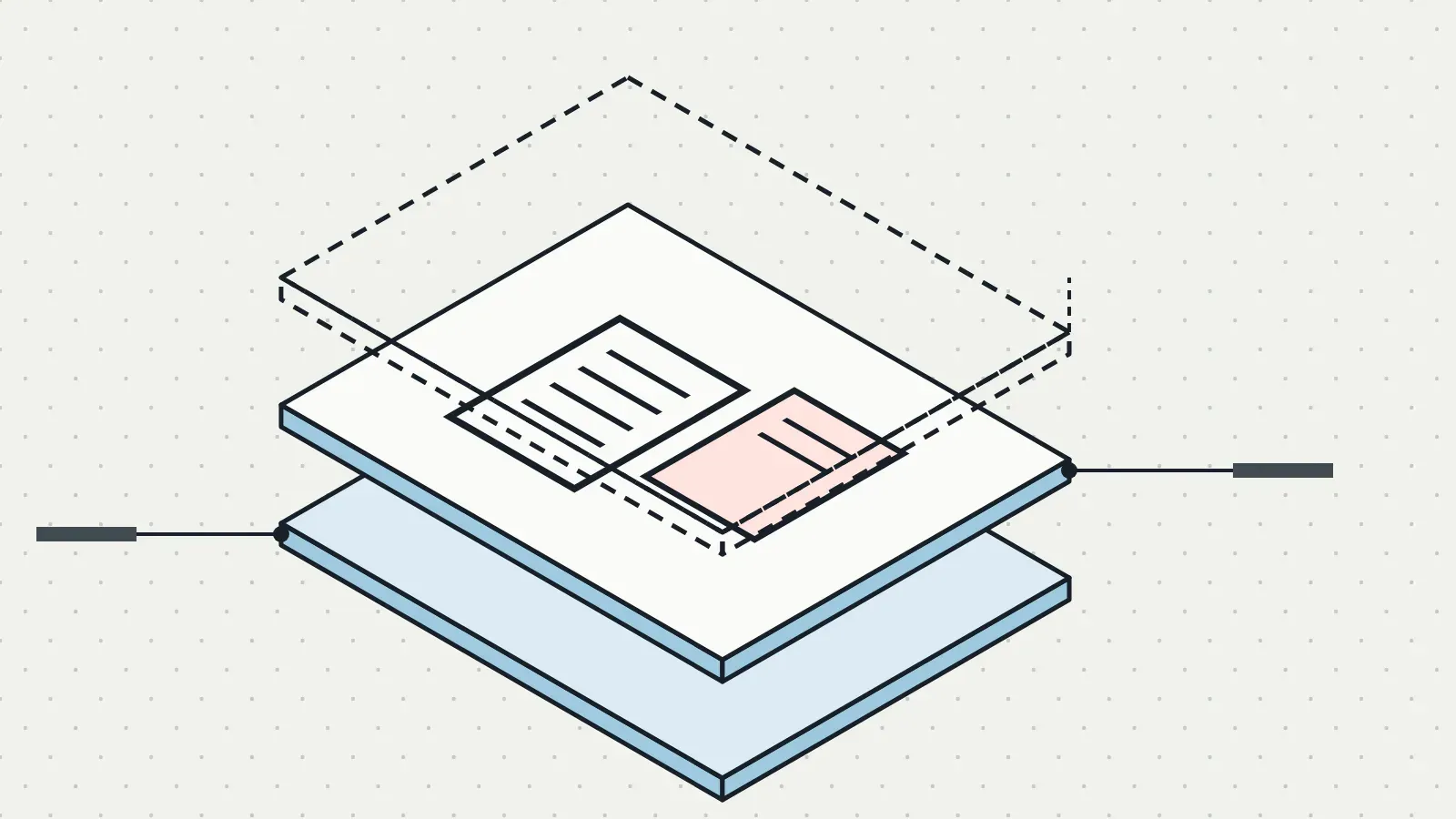
Fine print
Endorsements and riders
Written changes attached to your policy: they add coverage, remove it, or rewrite the form for your state.