Total loss add-on
New car replacement: trading the depreciated value for a new car
A totaled car is normally paid at its actual cash value, which falls the day you drive it home. This add-on changes that one number for a short window. Here is what it swaps, the limits insurers set, and the cases it leaves out.
By CoverOath Editorial Team Updated 7 min read
The promise, in short
When a car is totaled, collision or comprehensive normally pays its actual cash value: the price of a similar used car just before the loss. New car replacement changes that settlement to the cost of a new car of the same make and model, minus your deductible, if the loss happens early in the car's life. Insurers set the window, often about the first year and 12,000 to 15,000 miles. It does not pay for repairs, and many versions exclude leased cars. Read the endorsement's age, mileage and ownership terms before you count on it.
- Pays
- New car, same make/model
- Needs first
- Collision + comprehensive
- Typical window
- About 1 year, 12k–15k mi
- Leased cars
- Often excluded
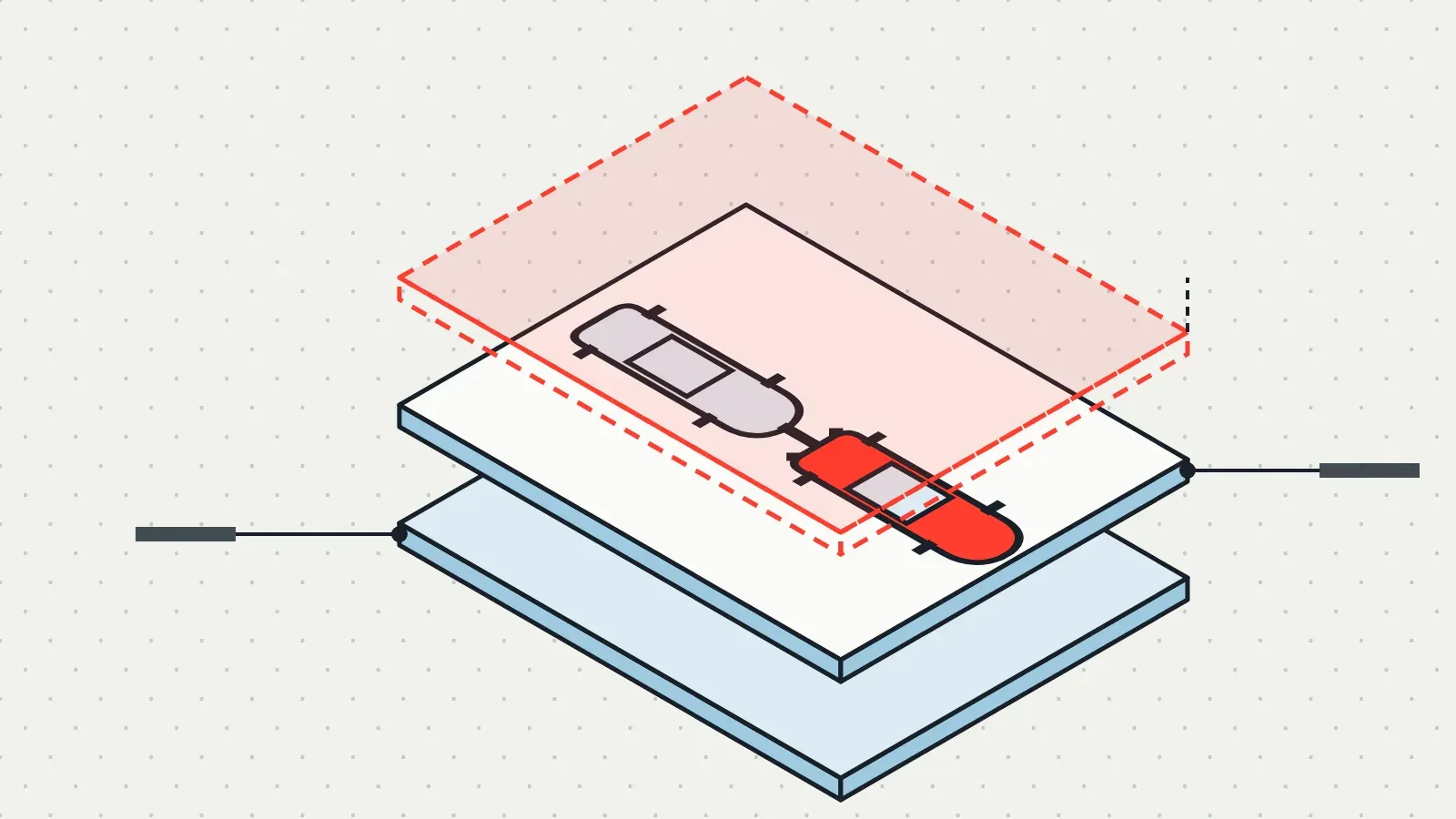
The one number this add-on changes
A standard auto policy settles a total loss at actual cash value. That figure is what your car was worth on the day of the loss, after depreciation, wear and mileage. For a car that is a few months old, it is already below the price you paid, and well below the price of a new one on the dealer's lot.
New car replacement is an endorsement that rewrites the settlement for a covered total loss. Instead of actual cash value, the insurer pays what it costs to buy a new vehicle of the same make and model, and often the same year and equipment, minus your deductible. Everything else stays the same: the loss still has to be covered by collision or comprehensive, and the deductible still applies unless the endorsement says otherwise.
| Line | Standard settlement | With new car replacement |
|---|---|---|
| Basis of payment | Actual cash value | Price of a new car, same make and model |
| Value used | $33,000 | $38,000 |
| Collision deductible | −$1,000 | −$1,000 |
| Insurer pays | $32,000 | $37,000 |
The add-on only matters when the two values differ by more than the endorsement costs you over the window. The add-on break-even calculator lets you test that with your own numbers.
The limits insurers attach to it
There is no single standard version. Each insurer writes its own endorsement, and availability varies by state. Three published versions show how tight the terms usually are.
| Version | Window | Other conditions |
|---|---|---|
| Amica New Vehicle Replacement | Total loss within 365 days of purchase or before 12,000 miles, whichever comes first | Car not previously titled or leased; collision and comprehensive on the car |
| Liberty Mutual New Car Replacement | First year, before 15,000 miles | Optional in some states; eligibility rules apply |
| Endorsement form AS 2112 03 16, posted by the Nevada Division of Insurance | First 12 months of coverage and first 15,000 miles | Car never titled before; excludes substitute and non-owned cars and leases of 6 months or longer |
The pattern is consistent. The car must be new when you buy it, the loss must be a total loss, and the window closes after roughly a year or a mileage cap. Some insurers pay the insurer's own price for the replacement car, and some may choose to replace the car rather than pay cash; the filed form above allows either.
Who it fits, and where a similar promise may already exist
- You bought the car new and will drive it fewer miles than the cap in the first year.
- You could not absorb the drop in value if the car were totaled in its first months.
- You financed with a small down payment. Here gap coverage answers a different question: what you still owe the lender.
New car replacement
Raises the settlement to the price of a new car of the same make and model. The extra money can pay off the loan and leave you in a new car.
Gap coverage or a GAP waiver
Leaves the settlement at actual cash value and pays the remaining loan or lease balance. You end with no debt, but no car.
Some insurers sell a related option, often called better car replacement, which pays the actual cash value of a car one model year newer. Amica describes its version that way. It is still a used-car value, not a new-car price.
How a new-car claim is settled
The claim starts like any total loss. The adjuster inspects the car, compares the repair estimate with its value and decides whether it is a total loss under the policy's definition. Only then does the endorsement come into play. The insurer checks the car's purchase date or coverage start date and its odometer reading against the window, then prices a new car of the same make and model.
If a loan or lease is on the car, the lender named on the policy is paid first, because it holds an interest in the car. Whatever is left after the payoff goes to you. Keep the purchase contract, the window sticker and a photo of the odometer: they are the proof that the car qualifies, and the equipment list decides which trim level counts as the same car.
If no identical new car is available, the filed form above lets the insurer use a similar one, and other versions may do the same. That is a point to settle in writing with the adjuster before you sign anything.
When it does not pay
- Repairs. If the car can be fixed, collision or comprehensive pays the repair under the usual terms.
- After the window. One day or one mile past the limit, the settlement goes back to actual cash value.
- Leased cars. Many versions exclude them; a lease usually has its own gap protection instead.
- Used cars. The endorsement is for cars that were never titled before you bought them.
- Liability-only policies. Without collision and comprehensive on the car, there is nothing for the endorsement to change.
How to check it on your policy
- Find the endorsement on the declarations page. It appears as a form number and a name, under the car it applies to.
- Read the eligibility lines. Note the age limit, the mileage limit and whether the clock starts at purchase or at the start of coverage.
- Check the base coverages. Collision and comprehensive must be listed for the same car.
- Mark the end date. Once the window closes, the charge for the endorsement should drop off; ask if it does not. See how endorsements attach to a policy.
Questions drivers ask
Does new car replacement pay off my car loan?
Not directly. It raises the settlement, and the insurer pays the lender named on the policy first. If the settlement is larger than the loan, the rest goes to you. If it is smaller, gap coverage is what pays the difference.
Can I add new car replacement to a used car?
Usually not. The published versions require a car that was not previously titled, and a window of about a year from purchase or from the start of coverage.
Do I still pay a deductible?
In the versions reviewed here, yes: the new-car price is paid minus your collision or comprehensive deductible.
Is new car replacement the same as better car replacement?
No. Better car replacement, where offered, pays the actual cash value of a car one model year newer. New car replacement pays the price of a new car of the same make and model.
Drawn from
- Amica — New and better vehicle replacement (insurer's product page)
- Liberty Mutual — New car replacement (insurer's product page)
- Nevada Division of Insurance — New Vehicle Replacement Cost Coverage endorsement, form AS 2112 03 16
- NAIC — Auto insurance consumer guide
Facts on this page were checked against these sources on November 15, 2026. Age, mileage and lease terms come from each insurer's own published version; your insurer's endorsement may set different limits.
Have this coverage priced
CoverOath doesn't sell insurance. Answer five questions and CoverOath passes your request to licensed insurance agents and insurers, who can quote the coverage; you decide whether to buy anything.
- 1 The coverage you want priced.
- 2 Where an agent can reach you, and your consent.
- 3 A licensed insurance agent or insurer contacts you with a quote. Nothing is bought until you agree.
CoverOath is not paid by you. The licensed insurance agents and insurers who contact you set their own prices and terms. How we make money.
Adjacent layers
-
Add-on
Gap insurance
Pays the loan balance left after a total loss when you owe more than the car's actual cash value.
-
Core coverage
Collision coverage
Pays to fix or replace your car after a crash, at fault or not, minus your deductible and up to its value.
-
Fine print
Endorsements and riders
Written changes attached to your policy: they add coverage, remove it, or rewrite the form for your state.