Physical damage
Comprehensive coverage: everything that happens to a parked car
Collision answers for crashes. Comprehensive answers for nearly everything else that can damage or take your car. Here is the list, the deductible that comes with it, and the gaps people find too late.
By CoverOath Editorial Team Updated 7 min read
The promise, in short
Comprehensive coverage fixes your own car, or pays what it was worth, when something other than a collision damages it: theft, vandalism, fire, flood, hail, a falling tree, a cracked windshield, a deer in the road. You pay the deductible, and the insurer pays the rest up to the car's actual cash value. It is optional under state law, but lenders and leasing companies usually require it alongside collision. It does not cover belongings inside the car, wear and tear, or a car that simply breaks down.
- Pays for
- Non-crash damage, theft
- Also called
- Other than collision
- Cap
- Car's actual cash value
- Required by law?
- No; lenders usually ask
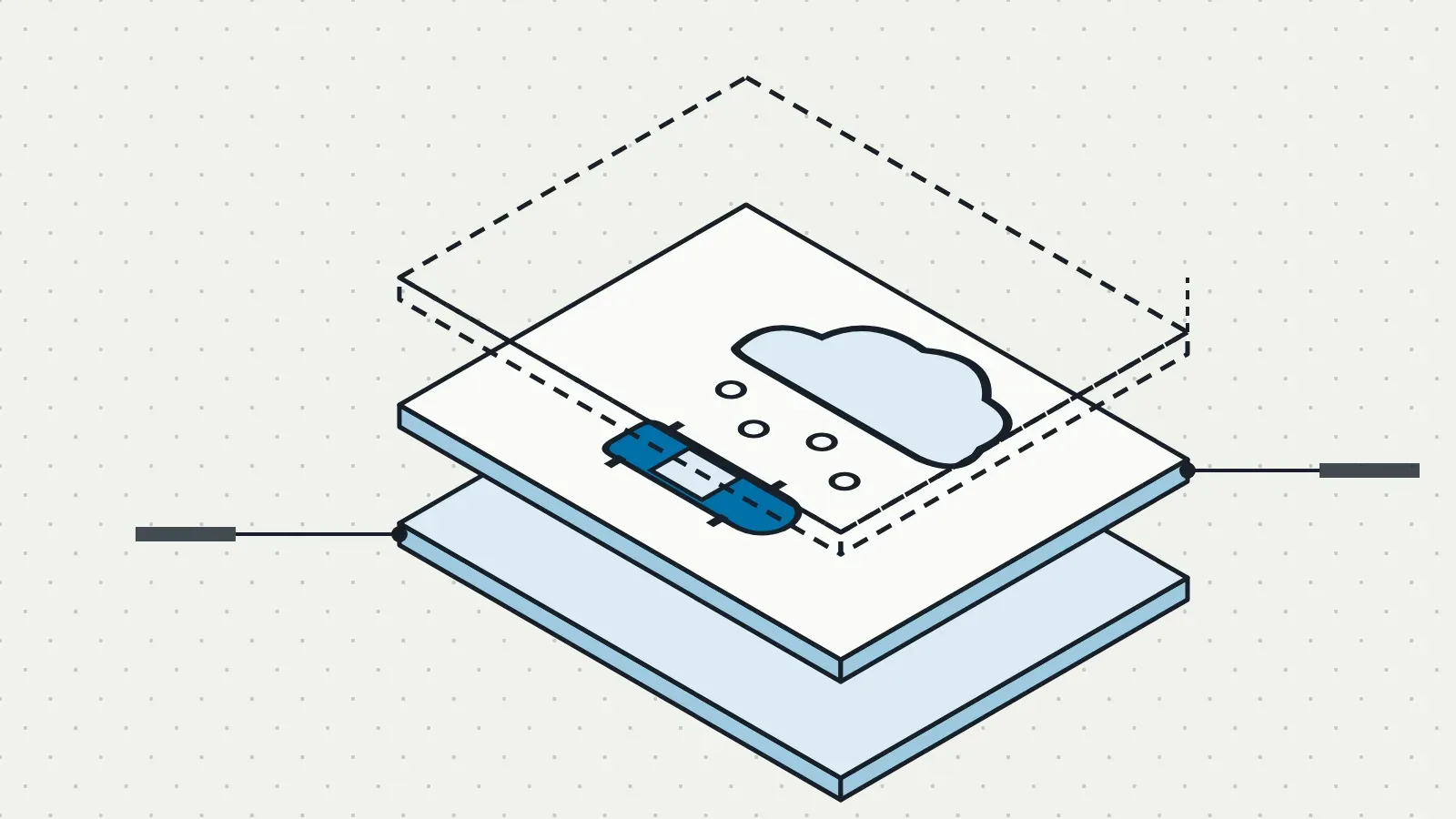
The insuring promise
Comprehensive is the second half of physical damage coverage, the part of your policy that pays for your own car. The NAIC describes it as paying for damage to your car from almost all causes other than a collision, and the Texas Department of Insurance uses the older name for the same thing: "other than collision" coverage. Like collision, it pays you, or your repair shop and lender, not a third party.
In most policies the promise is written broadly: accidental damage in general, minus collisions and the listed exclusions. That is why the list of examples below is long and the list of exclusions matters as much.
What it usually covers
Theft and vandalism
The car stolen and not recovered, or damaged by a break-in, keying or broken windows.
Weather
Hail, windstorm and flood. The Insurance Information Institute also lists falling rocks and trees.
Fire
Fire damage to the car is listed by the NAIC, the Insurance Information Institute and the Texas Department of Insurance.
Animals
Hitting a deer or other animal is listed under comprehensive by both the Insurance Information Institute and the Texas Department of Insurance.
Glass
The NAIC lists broken glass, such as a windshield cracked by a stone or a window smashed in a break-in.
Two of these surprise people. An animal strike is a crash in plain English, but most policies send it to comprehensive, not collision, so the comprehensive deductible applies. And flood damage to a car is not a flood insurance question: it falls under comprehensive, and a car with no comprehensive coverage has nothing to claim on after a flood.
The deductible and the cap
The Insurance Information Institute notes that comprehensive is typically sold with its own deductible, separate from collision, so the two can be set at different amounts. The NAIC's shopping guide reminds buyers that a deductible applies every time a claim is filed.
The cap is the car's actual cash value. The Texas Department of Insurance explains that comprehensive and collision have no dollar limit on the declarations page, but the insurer pays only up to the car's value, meaning the cost to replace it minus depreciation. A stolen or flooded car that is a total loss is paid at that value, minus the deductible.
What comprehensive does not cover
- Crashes. Damage from hitting another car or an object, or from a rollover, belongs to collision.
- Breakdowns and wear. Physical damage coverage pays for sudden accidental losses. A failed transmission or worn brakes is a maintenance cost; some buyers add mechanical breakdown insurance for it.
- Your belongings. A laptop stolen from the back seat is usually a homeowners or renters insurance claim, not an auto claim. See personal items stolen from a car.
- Equipment not permanently installed. The Texas Department of Insurance lists it among things most policies don't cover.
- Excluded uses. The same list includes damage you cause on purpose, racing, and ride-hailing or paid delivery without the right coverage.
Wording differs by insurer, so read the physical damage part of your policy for its own list. The exclusions guide explains how to find and read it.
Who requires it
No state's minimum includes comprehensive. The Texas Department of Insurance says that if you still owe money on your car, your lender will require collision and comprehensive, and that if you drop them the lender buys single-interest coverage, which it describes as expensive and protecting only the lender. The Insurance Information Institute says leasing companies will likely require both too. Together, the two coverages are the core of what people call full coverage.
Keeping it, raising the deductible, or dropping it
Some insurers let you keep comprehensive after you drop collision; ask yours. That can make sense for a car that is paid off, parked a lot, or kept where theft, hail or flooding is common: the crash risk is yours, while the risks you can't control stay insured.
- Pick the deductible. The Insurance Information Institute estimates that moving collision and comprehensive deductibles from $200 to $500 could cut their cost by 15 to 30 percent; pick an amount you could pay from savings.
- Look at local risks. Hail belts, flood-prone streets and high-theft areas make the coverage more valuable.
- Compare with the car's value. The Insurance Information Institute's rule of thumb: if the car is worth less than 10 times the premium, the coverage may not be cost effective.
- Check your add-ons. Gap insurance from an insurer is normally sold only when the car also carries collision and comprehensive, and glass options build on comprehensive.
Questions drivers ask
Is hitting a deer covered by comprehensive or collision?
In most policies, comprehensive. The Insurance Information Institute and the Texas Department of Insurance both list striking an animal as a comprehensive loss.
Does comprehensive cover a stolen catalytic converter?
Theft of parts from the car is generally a comprehensive loss, subject to your deductible. Check your policy's wording and whether the repair cost is above the deductible before you file.
Does comprehensive pay for things stolen from my car?
Usually not. Personal belongings are generally a homeowners or renters insurance question. See personal items stolen from a car.
Can I have comprehensive without collision?
Some insurers allow it, typically for a paid-off car. A lender or lessor usually requires both while you owe money on the car.
Drawn from
- NAIC — Auto insurance consumer guide
- NAIC — A Shopping Tool for Auto Insurance (2023), as published by the Nebraska Department of Insurance
- Insurance Information Institute — What is covered by a basic auto insurance policy?
- Insurance Information Institute — Nine ways to lower your auto insurance costs
- Texas Department of Insurance — Auto insurance guide
Facts on this page were checked against these sources on November 15, 2026. The Florida and South Carolina glass rules are summarized from their state pages on this site (Fla. Stat. § 627.7288 and S.C. Code § 38-77-280); other exclusions vary by insurer.
Have this coverage priced
CoverOath doesn't sell insurance. Answer five questions and CoverOath passes your request to licensed insurance agents and insurers, who can quote the coverage; you decide whether to buy anything.
- 1 The coverage you want priced.
- 2 Where an agent can reach you, and your consent.
- 3 A licensed insurance agent or insurer contacts you with a quote. Nothing is bought until you agree.
CoverOath is not paid by you. The licensed insurance agents and insurers who contact you set their own prices and terms. How we make money.
Adjacent layers
-
Core coverage
Collision coverage
Pays to fix or replace your car after a crash, at fault or not, minus your deductible and up to its value.
-
Add-on
Full glass coverage
Removes or lowers the comprehensive deductible on glass. Florida, Kentucky and South Carolina set it at $0 by law.
-
Companion policy
Personal items stolen from a car
Auto insurance covers the car, not what's inside; homeowners or renters insurance may pay for stolen belongings.