Theft gap
Items stolen from your car: the car's policy and the belongings' policy
After a break-in, two policies can be involved: the auto policy for the broken window and the home or renters policy for what was taken. Here is where the line runs and what each one pays.
By CoverOath Editorial Team Updated 6 min read
The promise, in short
A car insurance policy insures the car. When someone breaks in and takes a bag, a laptop or a set of golf clubs, your auto policy usually does not pay for those things; the Texas Department of Insurance says so plainly. A homeowners or renters policy may, because it covers your belongings away from home, subject to its own deductible and its limits for property off the premises and for valuables. The damage to the car itself, such as a smashed window, goes to comprehensive coverage after the auto deductible.
- Auto policy pays for
- The car and its parts
- Belongings go to
- Homeowners or renters
- Off-premises cap
- Often 10% of contents
- Deductibles
- Each policy has its own
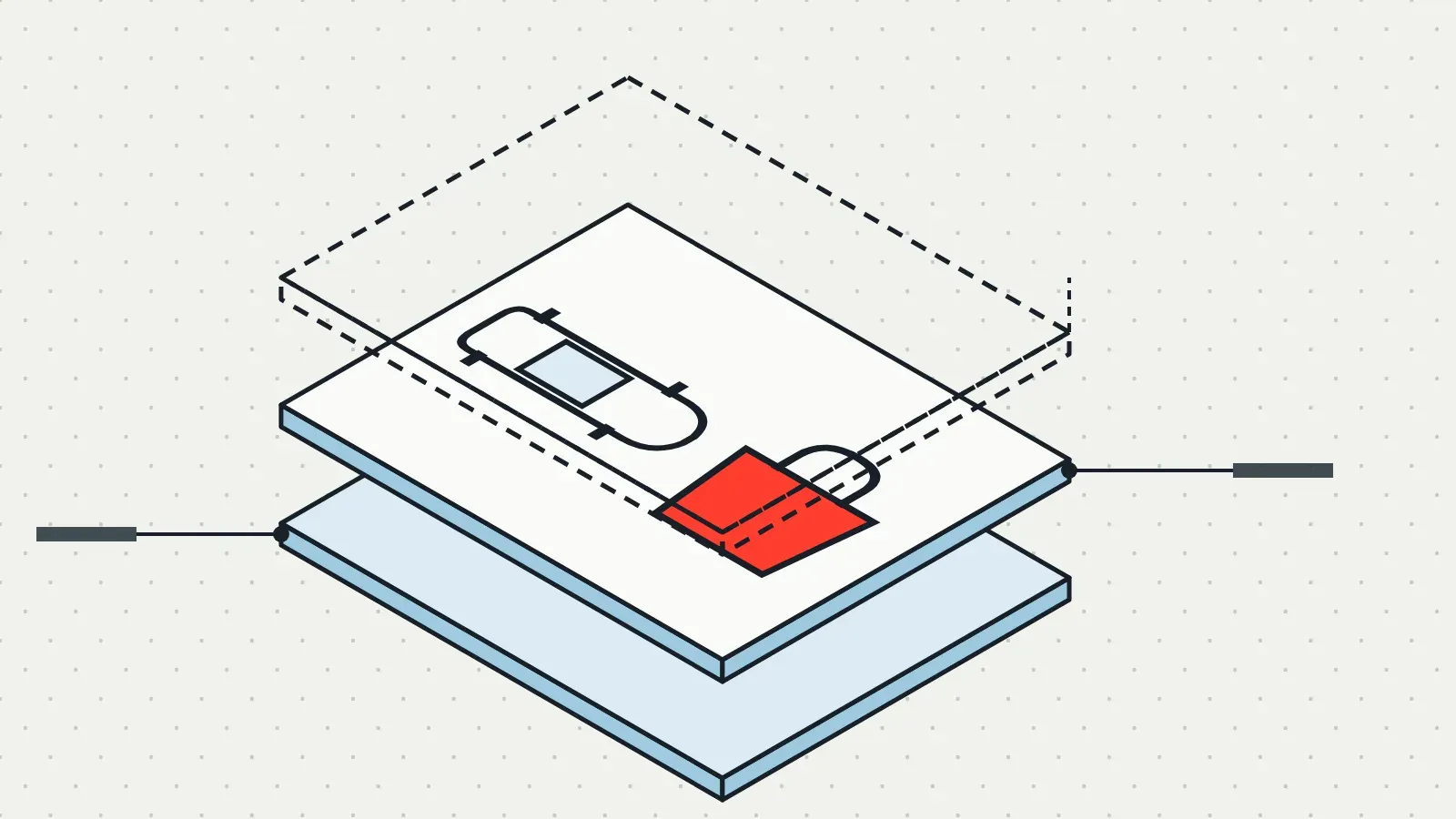
Where the auto policy stops
The physical damage part of an auto policy is written around the vehicle. Comprehensive coverage, in the NAIC's description, pays for damage to your car from causes other than a collision, including vandalism and theft. That covers the car being stolen, a door lock forced open or a window broken to get in, minus your comprehensive deductible.
The contents are another matter. Asked whether an auto policy pays for belongings stolen from a car, the Texas Department of Insurance answers that it won't, and that a homeowners or renters policy might. Most personal auto policies draw the same line: equipment that is part of the car is the car; things you carry in it are personal property.
Usually the auto policy
The car, its factory equipment, and damage done during the break-in: a broken window, a punched lock, a torn dashboard.
Usually the home or renters policy
Things you brought into the car: bags, laptops, phones, tools, sports gear, clothing, gifts.
Depends on the policy
Electronics and parts added after the car left the factory. Many insurers want them listed or covered by a custom equipment add-on.
The middle ground is aftermarket equipment. The California Department of Insurance describes optional coverage for items such as custom wheels, navigation systems and other custom equipment that is permanently installed. The NAIC adds that if a stereo was not installed by the manufacturer, your insurer may ask for receipts. See custom equipment coverage for how that add-on works.
How homeowners and renters insurance pays
The personal property part of a homeowners or renters policy follows your belongings. The Insurance Information Institute says a standard homeowners policy (HO-3) covers your personal property anywhere in the world, and gives golf clubs stolen from a car trunk as an example of a covered loss. Its renters insurance brochure gives the same example: property stolen from your car would be covered.
- Off-premises limit. Some policies pay less for belongings away from home. The III's example: with $25,000 of personal property coverage, items away from home may be covered up to $2,500, or 10% of the total.
- Special limits on valuables. Jewelry and other expensive items usually have their own dollar cap for theft. The III's renters example uses $1,500; a floater or endorsement raises it.
- Valuation. Actual cash value pays what the item was worth after depreciation; replacement cost pays what a new one costs. Old items under an actual cash value policy may pay little.
- Deductible. The home or renters deductible applies to each claim, before the insurer pays anything.
If you live with your parents, their policy may cover what is in your car. The Texas Department of Insurance mentions this case. Whether you count depends on the parents' policy: its definition of who is insured, usually tied to living in the same household, decides it. Ask before you assume.
For things you carry in the car often and that cost a lot, such as a camera kit, golf clubs or jewelry, the special limits are the weak spot. The NAIC suggests that for expensive jewelry or sports equipment, a floater on your homeowners or renters policy may be a better value than coverage bought at a rental counter. A floater lists the item and its value, so a theft is paid against that figure rather than a general cap.
Two deductibles, one break-in
A break-in can touch both policies, and each has its own deductible. The window goes to your auto insurer under comprehensive. The laptop goes to your home or renters insurer under personal property. Nothing in either policy merges the two deductibles.
| Loss | Policy | Paid after deductible |
|---|---|---|
| Side window, $400 | Auto: comprehensive, $500 deductible | $0 |
| Laptop and bag, $1,600 replacement cost | Renters: personal property, $1,000 deductible | $600 |
| Total out of pocket | Both deductibles | $1,400 |
With deductibles like these, a small loss may not be worth a claim at all. Weigh the payment against the deductible before you file. Some policies and states treat glass separately; see full glass coverage.
Rental cars and other gaps
Belongings stolen from a rental car follow the same logic. The NAIC notes that rental counters sell personal effects coverage for items stolen from the car, and that a homeowners or renters policy generally already covers them. Check before you pay for it twice; our rental car insurance page lists the counter options.
After a break-in
- Report it to the police. Both insurers will usually ask for the report number.
- List what was taken. Note the brand, model, age and price of each item, with receipts or photos where you have them.
- Check both deductibles. Look up the comprehensive deductible on your auto declarations page and the deductible on your home or renters policy.
- File where the numbers make sense. Car damage to the auto insurer, belongings to the home or renters insurer.
- Fix the gap for next time. Ask whether your home policy pays replacement cost and what its off-premises and valuables limits are.
Questions drivers ask
Does car insurance cover a stolen laptop?
Usually not. The Texas Department of Insurance says an auto policy won't pay for belongings stolen from a car, and that a homeowners or renters policy might.
Does comprehensive cover the broken window from a break-in?
Usually yes. Comprehensive pays for damage to the car from causes other than a collision, including theft and vandalism, after your comprehensive deductible.
Is a stereo I installed myself covered if it's stolen?
It depends on the policy. Some limit aftermarket equipment or require you to list it, and the NAIC notes the insurer may ask for receipts. See custom equipment coverage.
Will my homeowners policy pay the full price of what was stolen?
Only up to its limits and after the deductible. Check whether it pays actual cash value or replacement cost, and whether it has a lower limit for property away from home or for valuables.
Drawn from
- Texas Department of Insurance — Auto insurance FAQ (belongings stolen from a car)
- Insurance Information Institute — Am I covered? (HO-3 personal property anywhere in the world)
- Insurance Information Institute — Renters insurance
- Insurance Information Institute — What is covered by standard homeowners insurance?
- NAIC — Auto insurance consumer guide
- California Department of Insurance — Automobile insurance guide
Facts on this page were checked against these sources on November 15, 2026. The off-premises and valuables figures are the Insurance Information Institute's examples, not standard limits; your policy's declarations and special limits section decide yours.
Have this coverage priced
CoverOath doesn't sell insurance. Answer five questions and CoverOath passes your request to licensed insurance agents and insurers, who can quote the coverage; you decide whether to buy anything.
- 1 The coverage you want priced.
- 2 Where an agent can reach you, and your consent.
- 3 A licensed insurance agent or insurer contacts you with a quote. Nothing is bought until you agree.
CoverOath is not paid by you. The licensed insurance agents and insurers who contact you set their own prices and terms. How we make money.
Adjacent layers
-
Core coverage
Comprehensive coverage
Pays for theft, hail, fire, flood, vandalism and animal strikes to your car, minus your deductible.
-
Add-on
Custom equipment coverage
Pays for parts added after the factory. The ISO policy excludes custom furnishings in pickups and vans.
-
Companion policy
Rental car insurance
Your own policy usually follows you into a rental for personal trips; card benefits are usually secondary.