Travel coverage
Rental car insurance: three layers to check before the counter
At the rental desk you are offered four products in a few seconds. Most of what they cover may already sit in your own policy, your credit card or your home policy. Here is how to tell which layer covers what.
By CoverOath Editorial Team Updated 7 min read
The promise, in short
For a personal trip in the US, the coverage on your own car usually applies to a rental car: the same liability limits, and collision and comprehensive with the same deductibles if you carry them. Many credit cards add collision and theft protection, but it is usually secondary and may only pay your deductible. The rental counter sells a damage waiver (CDW/LDW), supplemental liability, personal accident and personal effects coverage; each fills a specific gap, and you may already have it. Without a car of your own, look at a non-owner policy or buy the counter's liability and waiver.
- Your own policy
- Usually extends to rentals
- Credit card benefits
- Usually secondary
- CDW/LDW is
- A waiver, not insurance
- Renting for work
- Check separately
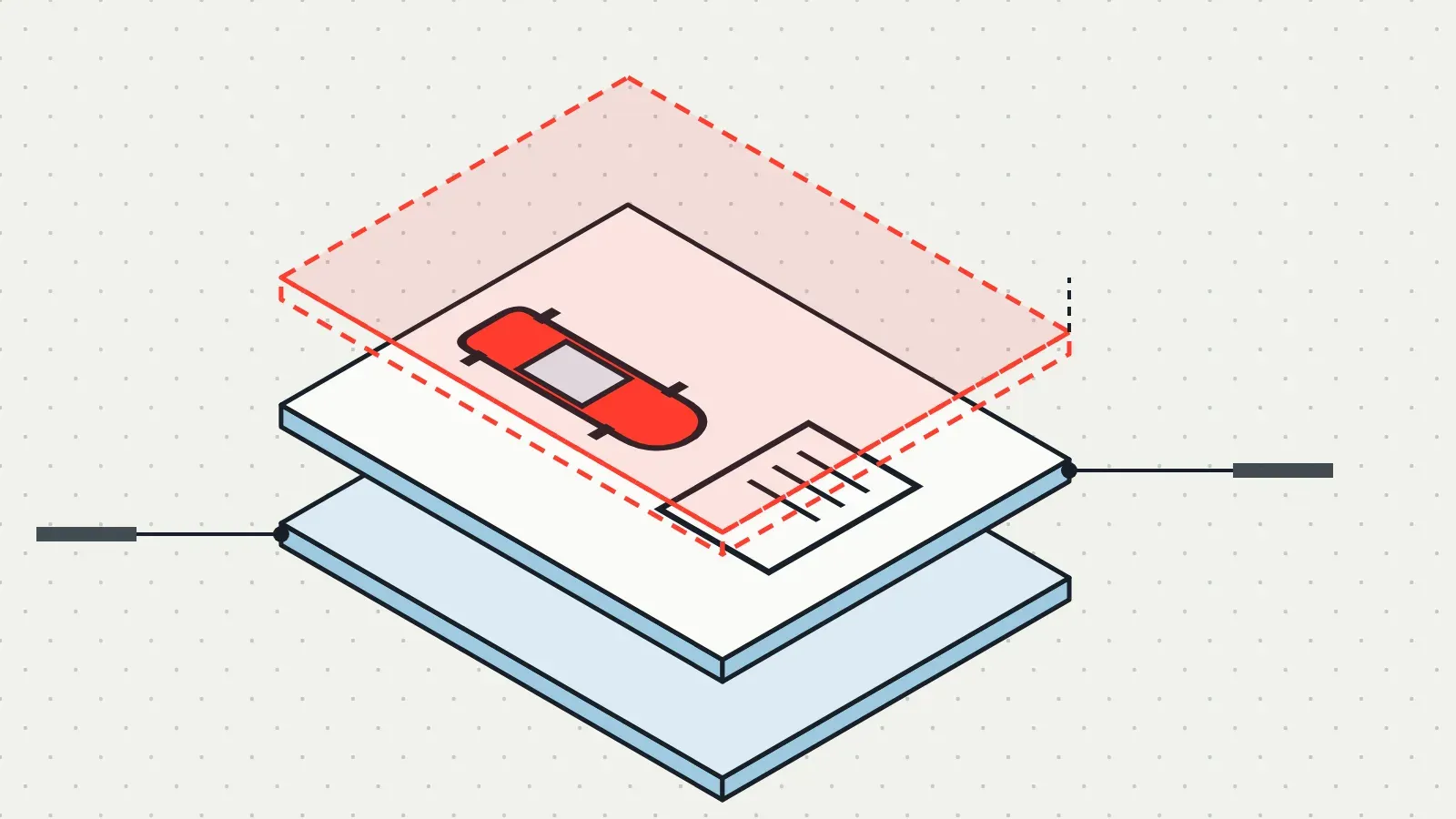
What your own policy carries into a rental
The Insurance Information Institute puts it simply: in most cases, the auto insurance and deductibles you have on your own car apply when you rent a car for personal use. The Texas Department of Insurance lists accidents in a rental car among the things most policies cover. Your limits and deductibles come with you; the rental does not get new ones.
- Liability: your bodily injury and property damage limits apply to people you hurt and things you damage while driving the rental.
- Damage to the rental: paid by your collision and comprehensive coverage, after your deductible, if you carry them. If you dropped them on your own car, the III warns you may not be covered when a rental is damaged or stolen.
- Fees: rental companies may also bill for the days the car can't be rented, towing and administrative charges. Ask whether your insurer pays these or sells a rider that does.
What your credit card adds
The NAIC says many credit cards include some level of collision and theft protection for rental cars, and that in most cases it is secondary: it pays after your personal auto insurance or the rental company's coverage. The III adds that a card benefit may only cover your deductible. Check whether the card covers anything beyond damage to the rental itself.
Terms differ by issuer and by card level, so get them in writing before you travel. Ask which vehicles and countries are left out, how long a rental may last, whether you must decline the counter's waiver and pay for the whole rental with that card, and what papers a claim needs.
The four products at the rental counter
| Product | What it covers | You may already have it if |
|---|---|---|
| Collision or loss damage waiver (CDW/LDW) | The rental company agrees not to charge you for damage to or theft of its car | You carry collision and comprehensive on your own car |
| Supplemental liability | Raises liability protection above what the rental company provides | Your own liability limits are high enough |
| Personal accident insurance | Medical and ambulance bills for you and your passengers after a crash | You have health and disability insurance, or PIP on your own policy |
| Personal effects coverage | Theft of your belongings from the rental car | You have homeowners or renters insurance |
Start with the waiver, since it answers for the most expensive loss: the car itself. The III points out that it is not technically insurance. It is the rental company's promise not to collect from you for damage or theft, sold under the company's own terms, and it may also cover loss-of-use, towing and administrative fees that your own policy might not pay. A waiver may become void if the damage happened while you were speeding, driving on unpaved roads or driving while intoxicated, so read the rental agreement's conditions.
Supplemental liability fills a different gap. The III notes that rental companies must provide the state minimum liability and that this is often not enough. If your own liability limits are well above the minimum, the extra layer adds less.
For belongings, the NAIC says a homeowners or renters policy generally already covers theft of personal items from the car; frequent travelers with expensive jewelry or sports equipment are the exception it names. See items stolen from a car for how that claim works.
If you don't own a car
Without a car there is no personal auto policy to follow you into the rental. The NAIC suggests a non-owner auto policy if you rent often, because it brings benefits beyond rentals, and says that if your credit card offers no rental benefits, buying the counter's liability coverage and damage waiver may be wise. The III also points to a non-owner liability policy for frequent renters.
A non-owner policy covers liability, not damage to the car you drive, so the waiver or a card benefit is still the piece that answers for the rental itself.
Renting while your own car is in the shop
A rental while your car is repaired is a separate question from rental car coverage. When another driver caused the crash, the NAIC says that driver's insurer should pay your rental costs. When the claim is under your own collision or comprehensive, your insurer pays only if you bought rental reimbursement, and most policies cap it with a dollar limit.
Before you reach the counter
- Read your declarations page. Note your liability limits and whether you carry collision and comprehensive, and at what deductible.
- Call your insurer. Ask whether coverage extends to rentals in the places you are going, whether it pays loss-of-use and administrative fees, and how it treats a rental for work.
- Call your card issuer. Get the rental benefit terms in writing and note what you must do to keep them.
- Decide product by product. Decline what you already have; buy what fills a real gap.
- Inspect the car. Photograph every side, the odometer and the fuel gauge at pickup and at return.
Leaving the country changes the picture. The Texas Department of Insurance lists driving in Mexico among the things most policies don't cover; see Mexico auto insurance and driving in another state or Canada.
Questions drivers ask
Does my car insurance cover a rental car?
For personal use in the US, usually yes: your liability, collision and comprehensive apply with the same limits and deductibles. If you don't carry collision and comprehensive, damage to the rental may not be covered.
Should I buy the collision damage waiver?
The NAIC says you likely don't need it if you carry collision and comprehensive on your own car. You may still want it to avoid paying your deductible and the rental company's fees, or if you have no physical damage coverage at all.
Is my credit card's rental coverage enough on its own?
Usually not. Card benefits are usually secondary and may cover only the deductible. Ask your issuer for the terms in writing, and compare them with your own policy before you decline anything.
What if I rent a car for work?
The III notes personal coverage applies to rentals for recreation, not business. Ask your insurer and your employer before you decline counter coverage on a work trip.
Drawn from
- NAIC — Auto insurance consumer guide (rental car insurance section)
- Insurance Information Institute — Rental car insurance
- Texas Department of Insurance — Auto insurance guide
Facts on this page were checked against these sources on November 15, 2026. Rental agreements, card benefits and policy terms differ by company and by state, so confirm yours with your insurer and card issuer before you travel.
Have this coverage priced
CoverOath doesn't sell insurance. Answer five questions and CoverOath passes your request to licensed insurance agents and insurers, who can quote the coverage; you decide whether to buy anything.
- 1 The coverage you want priced.
- 2 Where an agent can reach you, and your consent.
- 3 A licensed insurance agent or insurer contacts you with a quote. Nothing is bought until you agree.
CoverOath is not paid by you. The licensed insurance agents and insurers who contact you set their own prices and terms. How we make money.
Adjacent layers
-
Add-on
Rental reimbursement
Pays for a rental while your car is repaired after a covered claim, up to a daily cap and a total.
-
Companion policy
Non-owner car insurance
Liability for drivers without a car. In a borrowed car it pays after the owner's policy, not for the car itself.
-
Core coverage
Collision coverage
Pays to fix or replace your car after a crash, at fault or not, minus your deductible and up to its value.