Driver-only liability
Non-owner car insurance: a liability plate that follows the driver
Most car insurance is tied to a car. A non-owner policy is tied to you. Here is what it pays when you borrow, rent or share a car, the order in which policies pay, and what it does not do.
By CoverOath Editorial Team Updated 6 min read
The promise, in short
A non-owner policy is liability coverage for a driver who doesn't own a car. It pays for injuries and damage you cause to other people while you drive a car you borrow, rent or share. In a borrowed car the owner's insurance pays first and the non-owner policy pays after it, up to your own limits. It does not pay for your own injuries or for damage to the car you are driving. The NAIC suggests it for people without a car who rent often; it also fits people who borrow cars regularly or use car-sharing services.
- Pays for
- Harm you cause others
- Follows
- You, not a car
- In a borrowed car
- Pays after owner's policy
- Does not pay for
- The car you drive
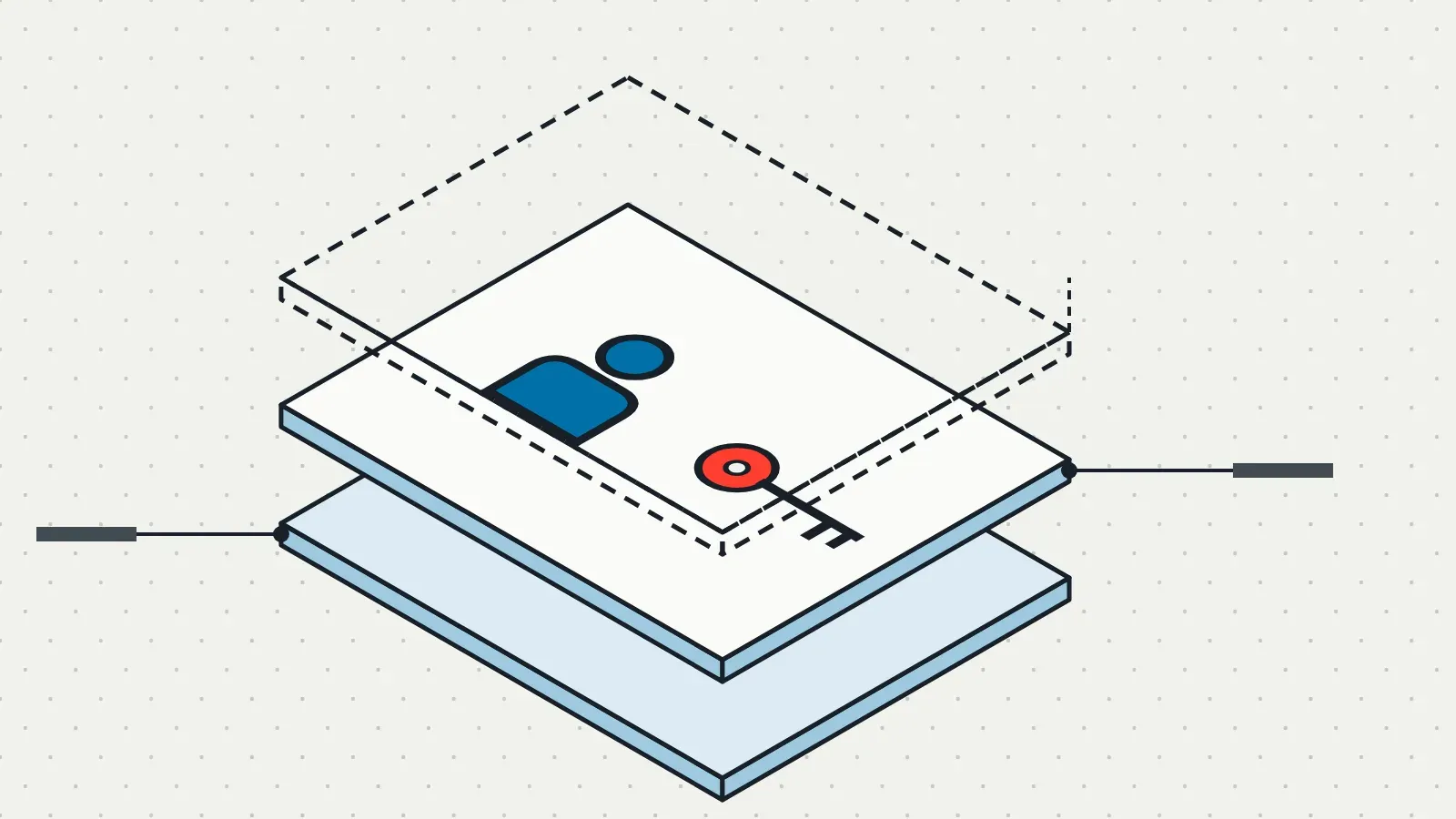
What a non-owner policy promises
An ordinary auto policy lists cars on its declarations page, and its coverage is built around them. A non-owner policy lists a driver. Missouri's Department of Social Services, which helps young people in its care buy one, puts it plainly: the coverage is not tied to a specific vehicle, and it applies when you drive any vehicle you do not personally own.
The core of it is bodily injury liability and property damage liability. The Texas Department of Insurance describes a nonowner liability policy as one that pays for damages and injuries you cause to other people, for drivers who borrow cars often but don't own one.
- What triggers it: you cause a crash while driving a car you don't own.
- Whom it pays: the people you injure and the owners of property you damage.
- What caps it: the liability limits you choose, which must meet your state's minimum.
The order policies pay in
Insurance on a borrowed car usually follows the car first. The Texas guide says that after a crash in a borrowed car, the car owner's insurance pays the claim, and your own insurance pays if the owner has none. Missouri's description of a non-owner policy says the same: it pays secondary to the vehicle owner's policy.
| Layer | Pays | Up to |
|---|---|---|
| Car owner's policy | First | The owner's liability limits |
| Your non-owner policy | Second, for what is left | Your own liability limits |
| You | Anything above both | No limit |
That second layer is the point. If the owner carries only the state minimum and a serious claim goes past it, your non-owner limits answer for part of the rest. If the owner has no insurance, your policy is the first one to respond.
Why car owners don't need one
If you already insure a car, you already carry this layer. The Insurance Information Institute notes that a standard auto policy covers you whether you drive your insured car or someone else's car with permission. When you borrow a friend's car, your own liability limits sit behind the owner's in the same way a non-owner policy would. Buying a non-owner policy on top would mostly duplicate it.
The non-owner policy exists for the person that rule leaves out: someone with no car, and so no policy, who still drives. Without one, that driver's only protection in a borrowed car is whatever the owner chose to buy, and in a rental it is whatever the rental company and a credit card provide. If the owner's limits are low or the owner let the policy lapse, the gap between the claim and the coverage lands on the driver.
Who tends to need one
Frequent renters
The NAIC and the III both point frequent renters without a car to a non-owner policy. It replaces the liability layer your own policy would bring to a rental car.
Regular borrowers
If you often drive a friend's or relative's car, your liability no longer rests only on their limits.
Car-sharing users
The III notes car-sharing programs may limit young drivers to state minimum liability, a thin layer on its own.
Young drivers away from home
The III says drivers under 21 may need to be on a parent's policy or carry their own non-owner policy.
If a court or the DMV has ordered you to file proof of insurance, often called an SR-22, and you don't own a car, ask insurers whether a non-owner policy can carry that filing in your state; the filing rules themselves are outside this page.
What a non-owner policy does not do
- It doesn't pay for the car you drive. The Texas guide says it doesn't pay for damage to the car you're driving. The owner's collision coverage, a rental company's waiver or a card benefit answers for that.
- It doesn't pay for your own injuries. Look to health insurance, and ask whether the insurer offers medical payments or PIP with the policy where your state allows it.
- It doesn't replace a policy on a car you buy. Once you own a car, it needs its own policy.
- It isn't uninsured motorist coverage. Ask whether UM is included or offered; rules differ by state.
How to set it up
- Check your state's minimum. The liability limits must meet it; your state menu lists the numbers.
- Choose limits above the minimum if you can. The policy often pays second, after a minimum-limit owner's policy; see how much liability you need.
- Ask what comes with it. Find out whether UM, MedPay or PIP is included, offered or required where you live.
- Ask how it treats rentals and car sharing. Confirm the policy applies to the cars you actually drive.
- Drop or convert it when you buy a car. Ask the insurer to move you to a standard policy so there is no gap.
Questions drivers ask
Does a non-owner policy cover damage to the car I borrow?
No. It pays for injuries and damage you cause to others. Damage to the borrowed car goes to the owner's collision or comprehensive coverage, if they carry it.
Whose insurance pays if I crash a friend's car?
Usually the owner's policy pays first. A non-owner policy, or your own auto policy if you have one, pays after it up to your limits, and pays first if the owner has no insurance.
Do I need a non-owner policy to rent a car?
Not always. Without a car of your own, the NAIC suggests a non-owner policy for frequent renters; otherwise you can buy liability coverage at the counter. See rental car insurance.
Can I get a non-owner policy if there is a car in my household?
Ask the insurer. A non-owner policy is meant for cars you don't own or have regular use of, so a household car you drive every day may need to list you as a driver instead.
Drawn from
- Texas Department of Insurance — Auto insurance guide (nonowner policies and borrowed cars)
- NAIC — Auto insurance consumer guide (rental vehicles FAQ)
- Insurance Information Institute — Rental car insurance
- Insurance Information Institute — Auto insurance basics: understanding your coverage
- Missouri Department of Social Services — What is a non-owner insurance policy?
Facts on this page were checked against these sources on November 15, 2026. Eligibility rules and the coverages sold with a non-owner policy differ by insurer and state; the order of payment shown is the usual rule described by the Texas Department of Insurance.
Have this coverage priced
CoverOath doesn't sell insurance. Answer five questions and CoverOath passes your request to licensed insurance agents and insurers, who can quote the coverage; you decide whether to buy anything.
- 1 The coverage you want priced.
- 2 Where an agent can reach you, and your consent.
- 3 A licensed insurance agent or insurer contacts you with a quote. Nothing is bought until you agree.
CoverOath is not paid by you. The licensed insurance agents and insurers who contact you set their own prices and terms. How we make money.
Adjacent layers
-
Companion policy
Rental car insurance
Your own policy usually follows you into a rental for personal trips; card benefits are usually secondary.
-
Core coverage
Bodily injury liability
Pays other people's injury claims when you cause a crash, up to a per-person and a per-accident limit.
-
Fine print
Who is covered on your policy
Named insured, resident relatives, drivers you lend the car to: how far coverage reaches and where it stops.