Policy changes
Endorsements and riders: the pages pinned on top of the contract
The printed policy form is the same for many drivers. Endorsements are how an insurer adds, removes or rewrites a promise for your policy. Here is how they work and how to read them.
By CoverOath Editorial Team Updated 6 min read
The promise, in short
An endorsement is a written change to the printed policy form. The Missouri Department of Commerce and Insurance describes endorsements as changes in coverage that are added to the policy and attached to it. Some add coverage (rental reimbursement, roadside help, gap, rideshare), some take coverage away (a driver excluded by name) and some rewrite the form for your state's law. The declarations page lists the forms that make up your policy, so it is where to check which endorsements you have. The word rider is used for the same kind of attachment; the state insurance guides cited here say endorsement. Browse the common add-ons.
- What it is
- A written policy change
- Also called
- Rider, amendment
- Can add
- Coverage or exclusions
- Listed on
- Declarations page
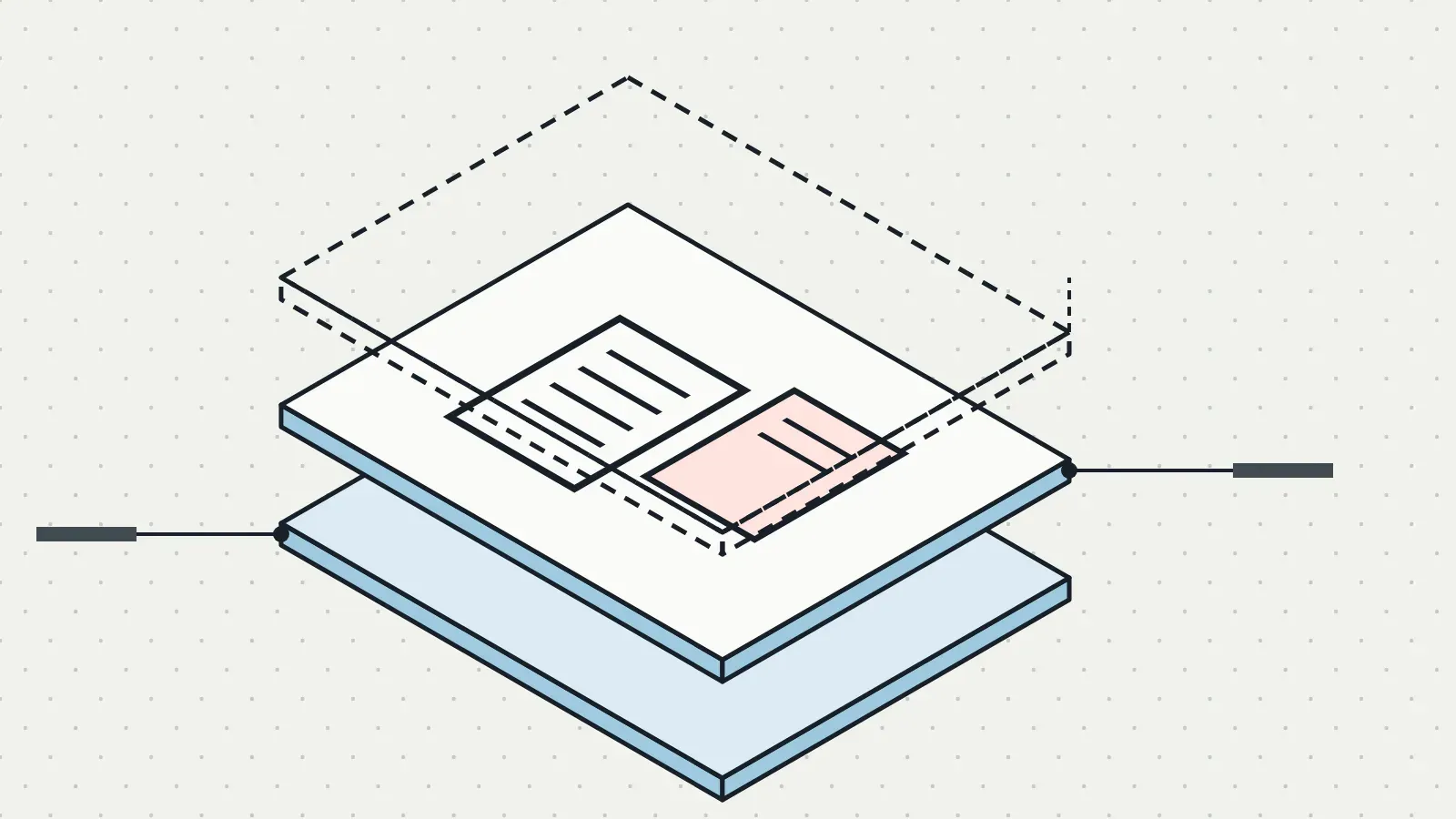
What an endorsement is
An insurer files one printed policy form and uses it for many customers. Your policy is that form plus the pages that change it for you. The Maryland Insurance Administration's sample declarations page says the policy consists of that page, any endorsements and the policy form. The Washington Office of the Insurance Commissioner notes that the declarations page includes a list of the forms that are part of the policy, and that many companies offer other endorsements for additional coverage.
An endorsement may be one paragraph or several pages. It usually names the part of the policy it changes and says whether it adds wording, replaces wording or deletes it. It can be issued when the policy starts, at renewal or in the middle of a term. The Missouri department adds that endorsements are signed by an officer of the insurance company and attached to the policy, which is why a phone call alone is not the change: the signed page is.
Four kinds of endorsements
Add coverage
Buys a promise the base form does not make, such as rental reimbursement, gap coverage or a rideshare endorsement.
Remove or limit coverage
Takes something out, such as a named driver exclusion, usually at the named insured's request or as a condition of issuing the policy.
Conform to state law
Rewrites the base form so it meets one state's rules on required coverages, rejection forms, cancellation or claim payment.
Record a change
Adds or removes a car, a driver, an address or a lender. These change who or what the policy applies to, not the promises themselves.
The add-on pages on this site are mostly the first kind. The add-ons hub groups them by what they change: how a physical damage claim is paid, help on the road, and rules about your price or deductible after a claim.
State endorsements in practice
State law often decides what an endorsement must say. Two examples from our state pages show how a state rule ends up as wording in your policy.
- Texas. The Texas Department of Insurance says every policy includes personal injury protection and uninsured/underinsured motorist coverage unless you reject them in writing (Insurance Code §1952.152–.153 and §1952.101). See the Texas coverage menu.
- Florida. Florida Statutes §627.7288 says the deductible does not apply to windshield damage on a policy that includes comprehensive coverage. See the Florida coverage menu.
A Texas rule adopted by the Department of Insurance in 2014 (28 TAC §5.208) shows why the label matters when an endorsement takes coverage away. A policy that covers every resident of the household is not a "named driver policy," even when an endorsement excludes one or more drivers by name. A policy that covers household members only if they are named is one, and it comes with required written warnings.
Michigan goes further for exclusions. Under MCL 500.3009(2), liability coverage may be excluded while a named person drives, if the insured authorizes it, but the exclusion is not valid unless a printed warning appears on the face of the policy or the declarations page or certificate, and on the certificate of insurance. The warning must say that when the named excluded person drives, all liability coverage is void and no one is insured. Read any endorsement that takes coverage away twice.
What an endorsement can and cannot do
- It only reaches the part it names. A rental reimbursement endorsement is often tied to collision and comprehensive, so it pays only after a covered physical damage loss.
- It carries its own limits and exclusions. Many add-ons pay a daily or per-event amount with a cap; read its own definitions.
- It usually needs a base coverage. Gap, rental and glass endorsements commonly require collision or comprehensive on the same car.
- It has to be part of the policy. If a form is not on the declarations page list and not in your packet, ask the insurer to confirm in writing whether it applies.
How to check your endorsements
- Find the forms list. On the declarations page, look for a list of form numbers and edition dates.
- Match each number to a document. Every listed form should be in your policy packet or account; ask for any that is missing.
- Read what each one changes. Look for words like added, replaced or deleted and the part it names.
- Confirm changes in writing. After you add or drop an add-on, ask for an updated declarations page that shows it.
If you are comparing two offers, compare the endorsement lists, not just the limits. Two policies with the same full coverage limits can differ by a single page that adds rental reimbursement or excludes a household driver.
Questions drivers ask
Is an endorsement the same as an add-on?
An add-on you buy is delivered as an endorsement. But endorsements also remove coverage, conform the policy to state law, or record a new car or driver, so not every endorsement is an add-on.
Can an insurer add an endorsement without telling me?
Changes made at renewal arrive with the renewal documents, so read those packets for new form numbers. If a new page reduces your coverage and you did not ask for it, ask your insurer to explain it; your state insurance department handles complaints.
Does an endorsement change my premium?
Endorsements that add coverage usually add premium; ones that record a change, such as a new car, may raise or lower it. The updated declarations page shows the new premium.
Where do I find which endorsements I have?
On the declarations page, which lists the forms that make up your policy. See parts of an auto policy.
Drawn from
- Missouri Department of Commerce and Insurance — Understanding your auto policy
- Washington Office of the Insurance Commissioner — Auto insurance guide (March 2025)
- Maryland Insurance Administration — Understanding your automobile declarations page
- NAIC — Auto insurance consumer guide
- Texas Department of Insurance — Automobile insurance consumer guide
- Texas Department of Insurance — Adopted rule, 28 TAC §5.208 (named driver policies), 2014
- Michigan Compiled Laws § 500.3009 (liability policy limits; named excluded person warning)
- Florida Statutes § 627.7288 (windshield deductible)
Facts on this page were checked against these sources on November 15, 2026. Endorsement names, form numbers and terms differ by insurer and state; the declarations page of your policy lists the ones that apply to you.
Have this coverage priced
CoverOath doesn't sell insurance. Answer five questions and CoverOath passes your request to licensed insurance agents and insurers, who can quote the coverage; you decide whether to buy anything.
- 1 The coverage you want priced.
- 2 Where an agent can reach you, and your consent.
- 3 A licensed insurance agent or insurer contacts you with a quote. Nothing is bought until you agree.
CoverOath is not paid by you. The licensed insurance agents and insurers who contact you set their own prices and terms. How we make money.
Adjacent layers
-
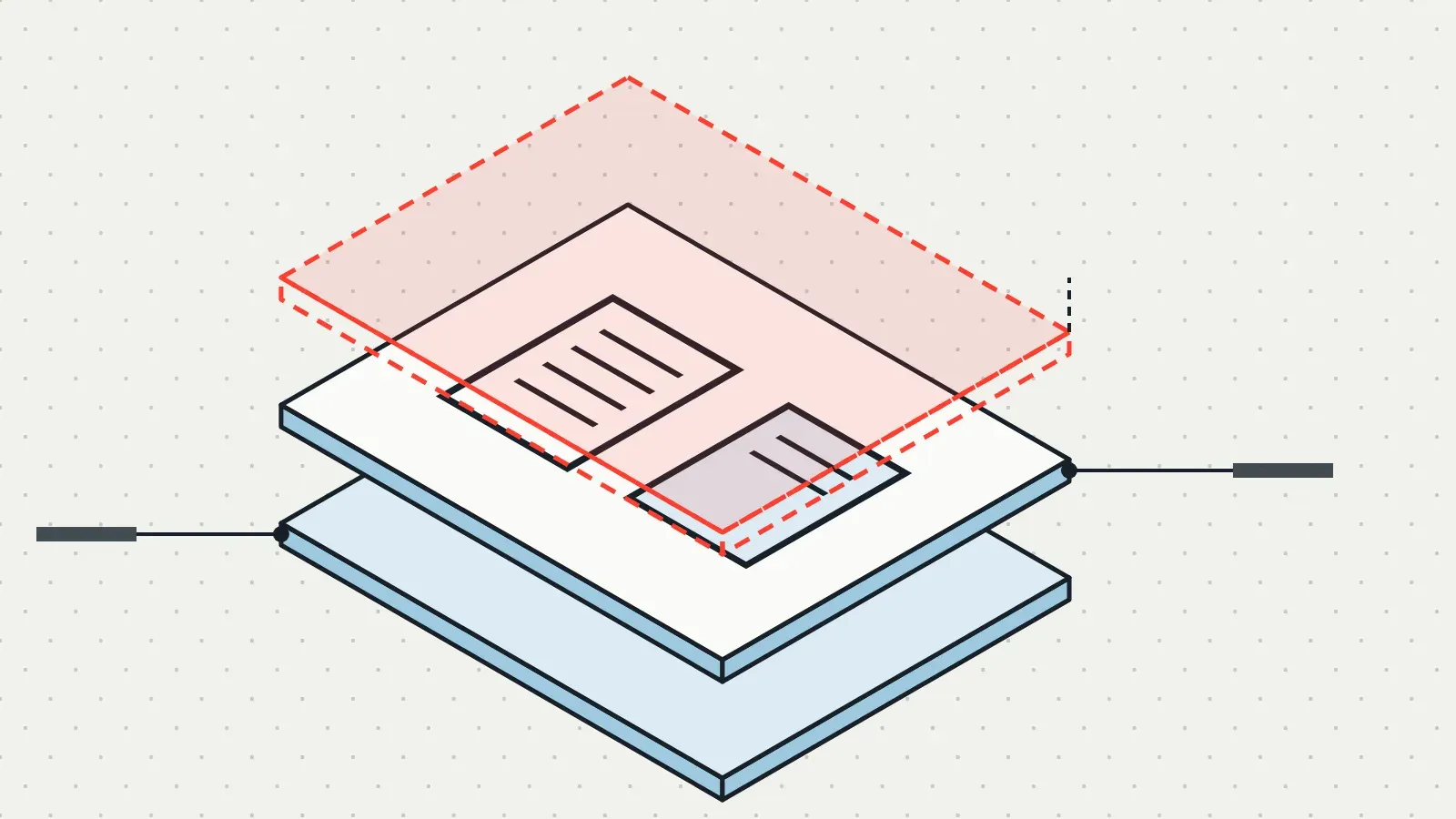
Fine print
Parts of an auto policy
Declarations page, policy form, endorsements: what each part decides and the order to read them in.
-
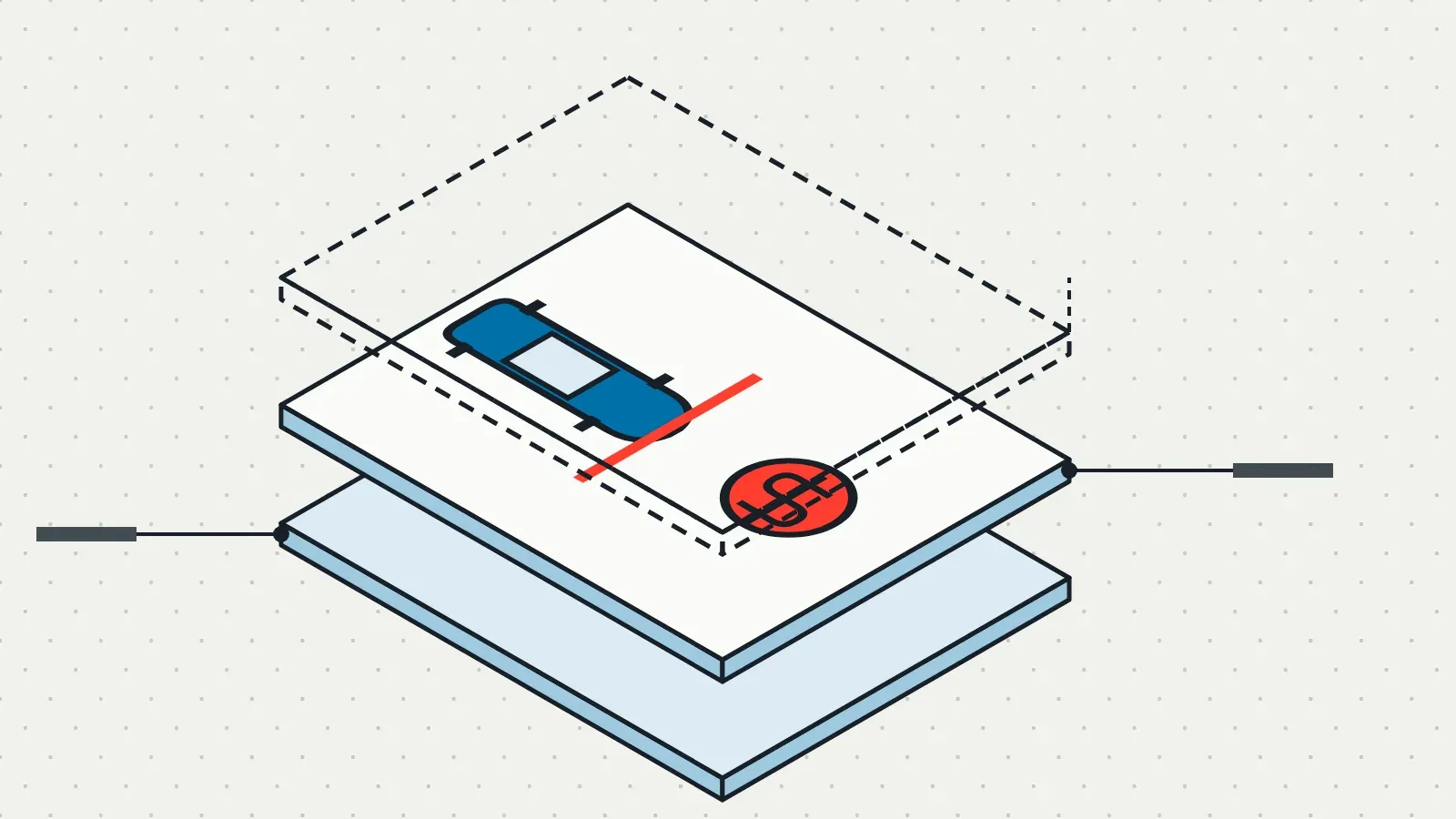
Add-on
Gap insurance
Pays the loan balance left after a total loss when you owe more than the car's actual cash value.
-
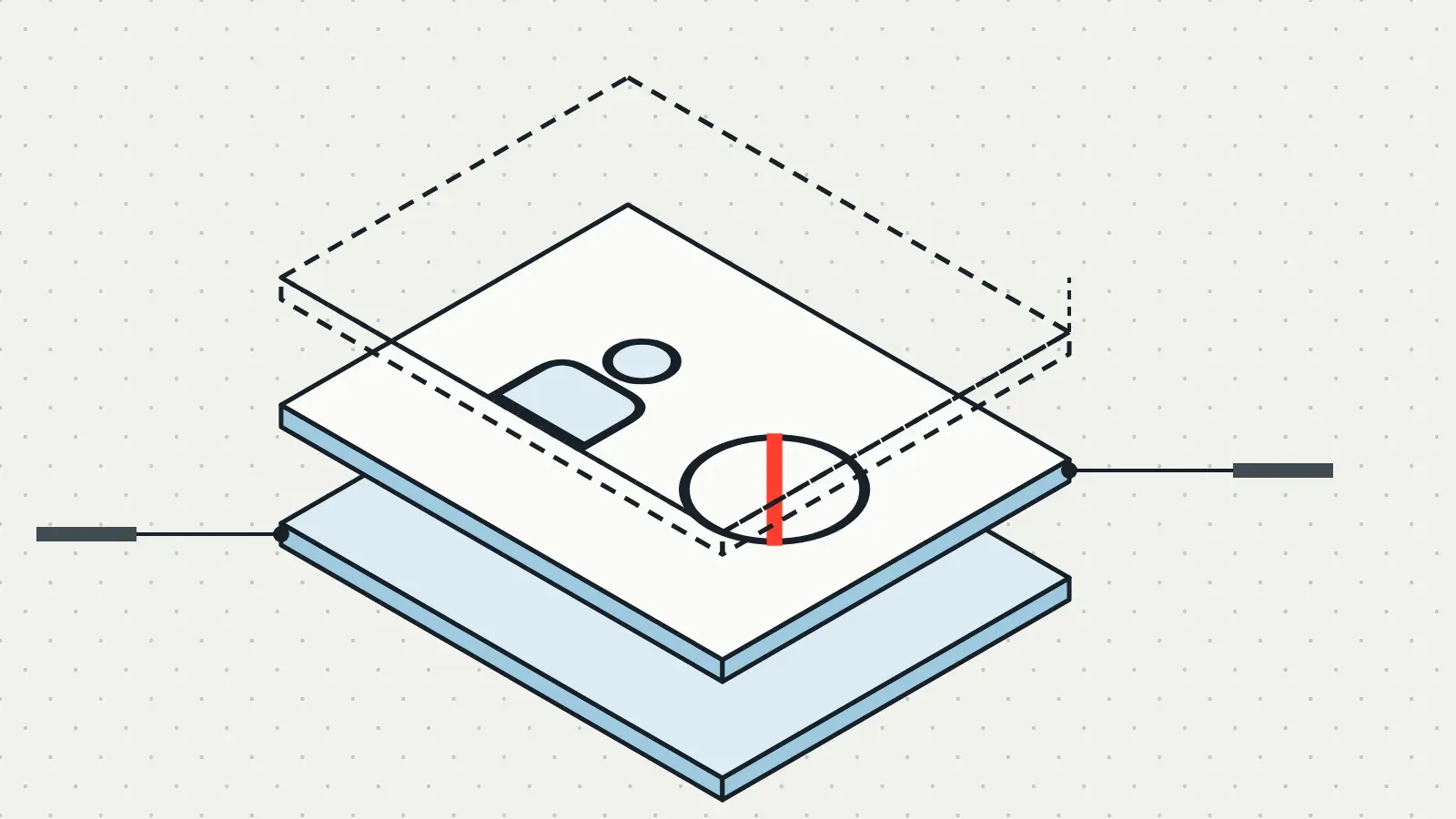
Fine print
Named driver exclusion
Removes coverage whenever one named person drives. In Michigan the warning reads: no one is insured.