Driver exclusion
Named driver exclusion: one name, and the policy steps back
Excluding a household driver by name can keep a policy affordable or in force. It also means that when that person drives, your coverage may not be there at all. Here is how it works.
By CoverOath Editorial Team Updated 7 min read
The promise, in short
A named driver exclusion is an endorsement that removes coverage whenever one named person drives. It is most often used for a household member the insurer will not cover or the family chooses not to insure. The cost of that choice is large: Michigan's required warning says that when the named excluded person drives, all liability coverage is void and no one is insured, and the owner remains personally liable. Alaska's insurance regulator has warned that an excluded driver may also lose medical payments and uninsured and underinsured motorist protection. State rules on these exclusions differ, so read the form and your state's rules before you sign.
- Added by
- A signed endorsement
- Applies when
- The named person drives
- Michigan warning
- "No one is insured"
- Owner still
- Personally liable
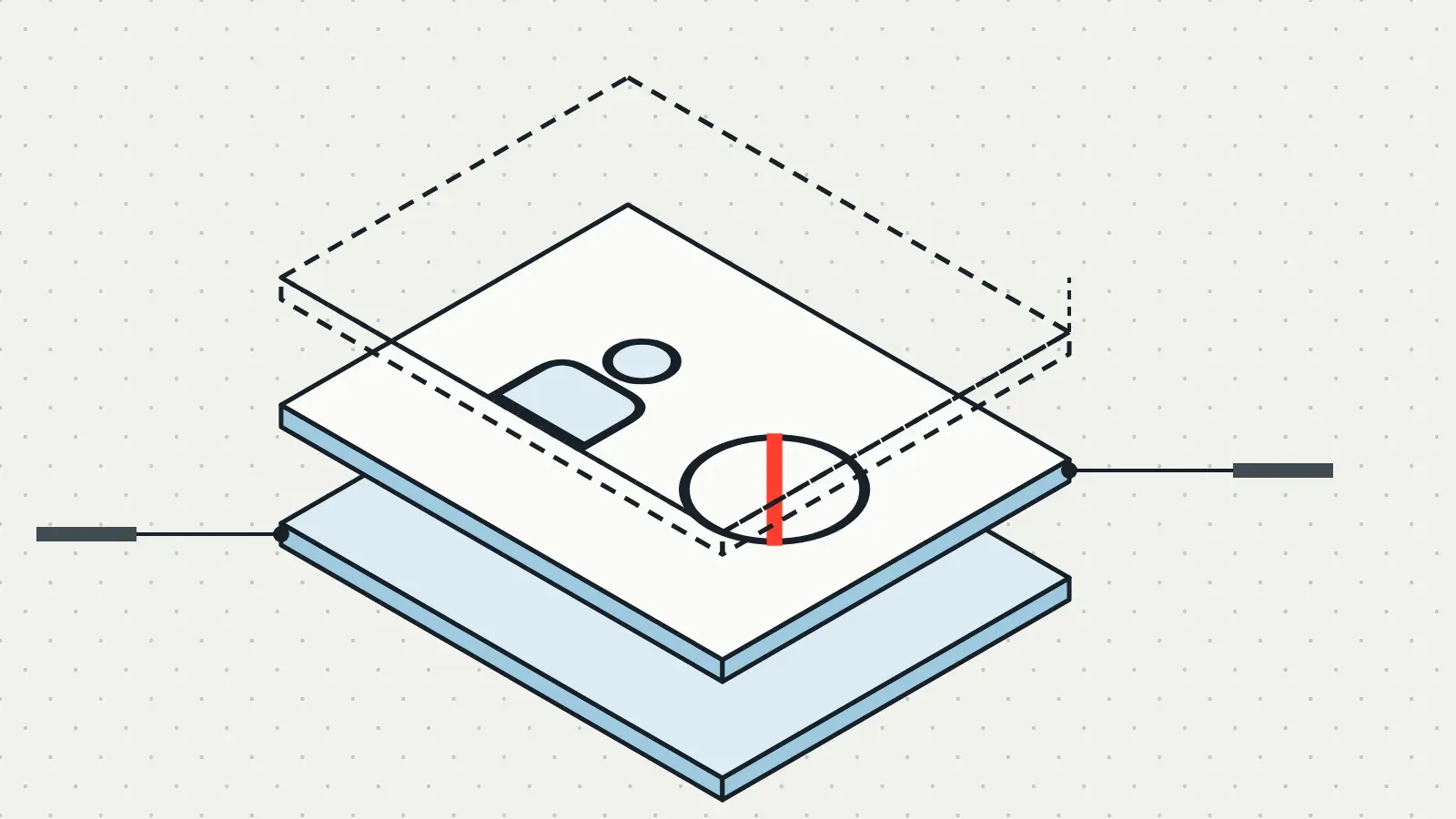
What the exclusion does
A personal auto policy usually covers you, the relatives who live with you, and people you allow to drive your car. See who is covered on your policy. A named driver exclusion cuts one person out of that circle by name. It is added as an endorsement, usually signed by the named insured, and the excluded person's name may appear on the declarations page.
The exclusion follows the person, not the car. While the excluded driver is behind the wheel of a car on the policy, the coverages the endorsement names do not apply. Depending on the wording and the state, that can mean liability, collision and comprehensive, medical payments and uninsured motorist coverage.
What it takes away
Michigan's statute spells out the result in the warning it requires. Under MCL 500.3009(2), liability coverage may be excluded when a vehicle is operated by a named person, if the insured authorizes it. The exclusion is valid only if this notice is on the face of the policy or the declarations page or certificate, and on the certificate of insurance: when a named excluded person operates a vehicle all liability coverage is void, no one is insured, and owners and others legally responsible for that person's acts remain fully personally liable.
Alaska's Division of Insurance described the same risks in Bulletin 97-07, issued when the legislature added a named driver provision to AS 28.20.440 in 1997. It warned that an excluded driver who drives any vehicle risks being an uninsured motorist, and may lose medical payments, uninsured motorist and underinsured motorist protection under the named insured's policy.
| Cost | Paid by your policy? | Who is left with it |
|---|---|---|
| Injuries and damage to others | No, where the exclusion is valid | The driver, and the owner where state law makes them liable |
| Damage to your car | Usually not, if the endorsement reaches physical damage | You, or your lender's claim against you |
| The excluded driver's injuries | Often not | The driver's health insurance or own policy |
Named driver policies and excluded driver policies
An exclusion is not the only way a household member can end up without coverage. Some policies only cover drivers named on them. The NAIC notes that some policies state specifically that no other person is covered when driving your car.
Excluded driver policy
Covers every household resident and permitted driver, except the people an endorsement excludes by name.
Named driver policy
Covers only the drivers listed. A household member who is not named may have no coverage, without any exclusion form.
Texas regulates the difference. A Texas Department of Insurance rule (28 TAC §5.208, adopted in 2014 under Insurance Code §1952.0545) defines a named driver policy as one that does not cover a person living in the named insured's household unless that person is named on the policy. Such a policy must carry a warning in the policy and on any proof of insurance document. A policy that covers every household resident is not a named driver policy, the rule says, even if an endorsement excludes one or more drivers by name. See the Texas coverage menu.
State rules differ
States regulate these exclusions in different ways: the examples here set the wording of a warning, separate named driver policies from excluded driver policies, bar household-wide exclusions, or say when an insurer must honor a request to exclude. The examples below come from official sources; for any other state, ask your state insurance department before relying on an exclusion.
- Michigan. Liability may be excluded for a named person if the insured authorizes it, with the printed warning above on the policy and the certificate of insurance (MCL 500.3009(2)). See the Michigan coverage menu.
- Texas. A named driver policy must warn, in the policy and on proof of insurance, that unnamed household members are not covered (28 TAC §5.208).
- Idaho. A driver may be excluded only individually, under Idaho Code §41-2510. The Department of Insurance's Bulletin 26-07 (July 1, 2026) says the exclusion cannot take the form of a blanket household exclusion, and that a permitted driver who is not specifically excluded gets the same coverage as the insureds (Idaho Code §49-1212(12)). See the Idaho coverage menu.
- Alaska. The 1997 bulletin says an insurer must exclude a household resident or relative from coverage at the named insured's request, and that the exclusion should be signed by the named insured each policy period (AS 28.20.440, Bulletin 97-07).
Before you sign an exclusion
- Ask what it reaches. Liability only, or also collision, comprehensive, MedPay and UM? Get the form, not a summary.
- Ask what happens if the person drives anyway. In an emergency, a borrowed key or a moved car, the exclusion still applies.
- Plan the excluded driver's own coverage. If they will drive at all, they need a policy of their own, such as non-owner car insurance for cars they borrow.
- Hide the keys in practice, not just on paper. An exclusion is a promise about who drives; it only protects you if it is kept.
- Review it at renewal. When the person's record improves or they move out, ask whether the exclusion can be removed.
Questions drivers ask
Can an excluded driver drive my car in an emergency?
The exclusion has no emergency exception unless the form says so. If the named person drives, the policy treats it as excluded driving.
Does a named driver exclusion lower my premium?
It can, because the insurer does not price that driver's risk. The trade-off is that a crash by that person is not covered by your policy.
Can I exclude my spouse?
It depends on your insurer and your state. Alaska's 1997 bulletin, for example, covers excluding a household resident or relative at the named insured's request. Ask your insurer, and check your state insurance department's guidance.
How do I remove a named driver exclusion?
Ask your insurer to add the person as a rated driver. The insurer will look at their record and price them; the exclusion ends when the endorsement is removed from the declarations page.
Drawn from
- Michigan Compiled Laws § 500.3009 (liability policy limits; named excluded person warning)
- Alaska Division of Insurance — Bulletin B97-07 (named driver exclusions, AS 28.20.440), July 22, 1997
- Texas Department of Insurance — Adopted rule, 28 TAC §5.208 (named driver policies), 2014
- Idaho Department of Insurance — Bulletin 26-07, household exclusions and step-down provisions (July 1, 2026)
- NAIC — Auto insurance consumer guide
- Colorado Division of Insurance — Buyer's guide to auto insurance
Facts on this page were checked against these sources on November 15, 2026. Idaho's bulletin was reissued on July 1, 2026; the Alaska bulletin dates from 1997, so confirm the current rule with the Alaska Division of Insurance before relying on it.
Have this coverage priced
CoverOath doesn't sell insurance. Answer five questions and CoverOath passes your request to licensed insurance agents and insurers, who can quote the coverage; you decide whether to buy anything.
- 1 The coverage you want priced.
- 2 Where an agent can reach you, and your consent.
- 3 A licensed insurance agent or insurer contacts you with a quote. Nothing is bought until you agree.
CoverOath is not paid by you. The licensed insurance agents and insurers who contact you set their own prices and terms. How we make money.
Adjacent layers
-
Fine print
Who is covered on your policy
Named insured, resident relatives, drivers you lend the car to: how far coverage reaches and where it stops.
-
Fine print
Endorsements and riders
Written changes attached to your policy: they add coverage, remove it, or rewrite the form for your state.
-
Companion policy
Non-owner car insurance
Liability for drivers without a car. In a borrowed car it pays after the owner's policy, not for the car itself.