Offer, reject in writing
Ohio coverage menu: liability required, everything else your choice
Ohio requires proof of financial responsibility at 25/50/25 and little else. Uninsured motorist coverage is optional, and insurers do not even have to offer it, so what you have is what you asked for.
By CoverOath Editorial Team Updated 6 min read
The promise, in short
Ohio requires proof of financial responsibility at 25/50/25: $25,000 per injured person, $50,000 per crash and $25,000 for property damage, usually met with a liability policy. Uninsured and underinsured motorist coverage is optional: a policy may include it but does not have to, and the statute sets no duty to offer it. There is no PIP requirement. The Ohio Department of Insurance takes consumer calls at 800-686-1526.
- Minimum liability
- 25/50/25
- PIP
- No PIP; MedPay optional
- UM/UIM
- Optional
Ohio coverage menu
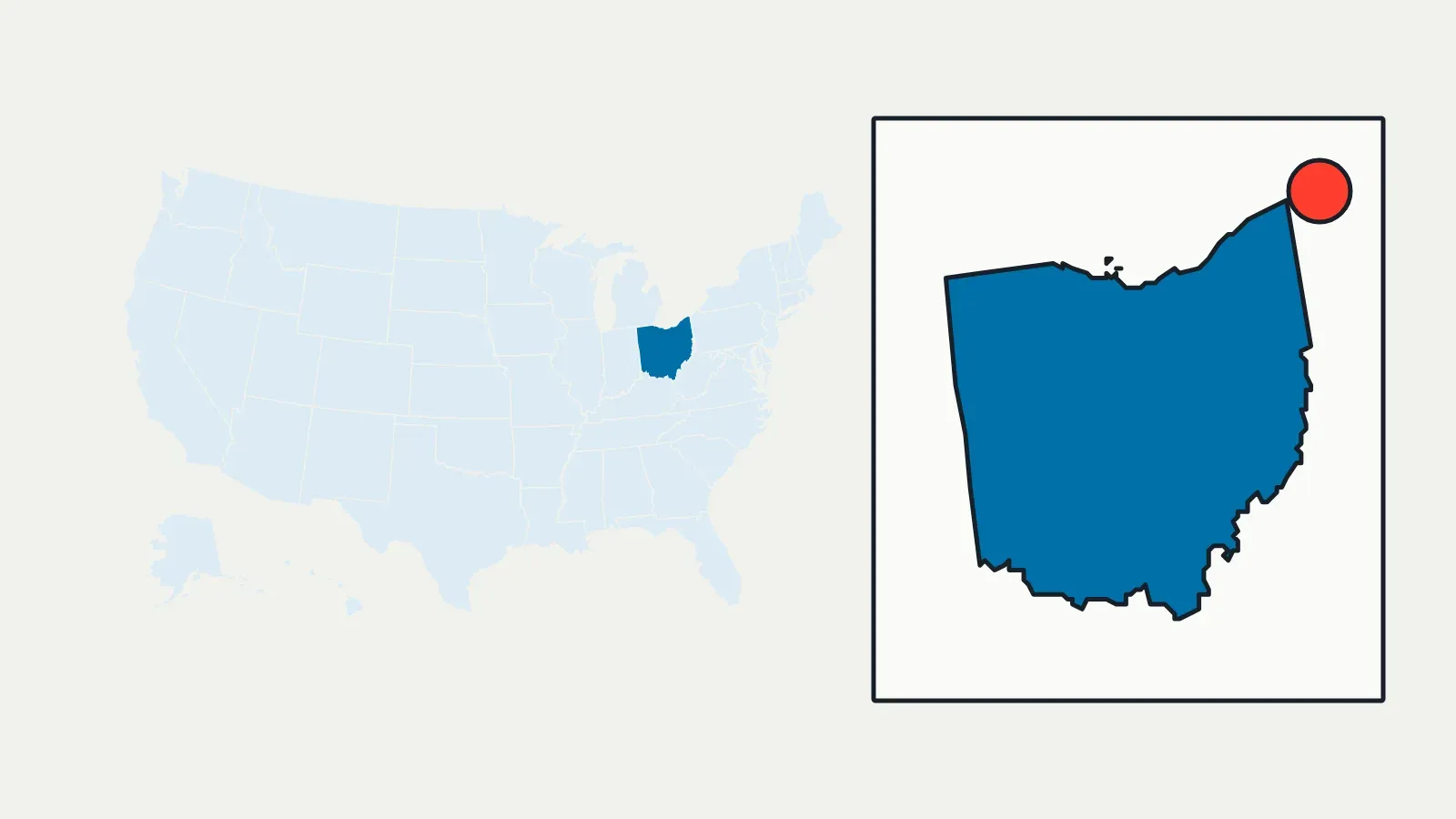
What an Ohio policy must carry
Ohio law says no one may drive, or let someone else drive, a motor vehicle in the state without proof of financial responsibility. A liability policy or its declarations page is the usual proof; a bond, a deposit of cash or securities, or a self-insurance certificate also qualifies. The amounts are fixed in Ohio Revised Code 4509.01 and 4509.51.
| Coverage | Minimum | What it pays |
|---|---|---|
| Bodily injury, per person | $25,000 | One injured person's claim |
| Bodily injury, per accident | $50,000 | Everyone injured in one crash |
| Property damage | $25,000 | Other people's cars and property |
Bodily injury and property damage liability pay other people. Anything above the limits is yours to pay. These amounts have not changed since 2013, when the current version of ORC 4509.51 took effect. The liability limits page explains how people choose higher ones.
UM/UIM is optional in Ohio
ORC 3937.18 says an auto liability policy "may, but is not required to," include uninsured motorist coverage, underinsured motorist coverage or both. The section puts no duty on the insurer to offer it and no rejection form in your file. If you want it, ask for it, and check that it appears on your declarations page.
Who counts as uninsured
A driver with no liability coverage, one whose insurer denies coverage or is insolvent, an unidentified driver, and a driver immune from suit as a diplomat or under Ohio's political subdivision immunity law.
Who counts as underinsured
A driver whose available liability limits are lower than your UIM limits. A driver insured under your own policy does not count.
- UIM is not excess coverage. The statute says your UIM limit is reduced by what the at-fault driver's liability coverage pays, so it tops you up to your own limit rather than adding to theirs.
- Unidentified drivers need proof. A hit-and-run claim requires independent corroborative evidence that the unknown driver caused the injury. Your own testimony counts only if other evidence supports it.
- One person, one limit. The per-person limit covers every claim that grows out of one person's injury or death, including wrongful death claims.
Stacking and policy terms
Ohio's statute lets a policy preclude stacking of UM/UIM limits, including intrafamily and interfamily stacking, whatever premiums you paid. Whether you can combine limits therefore depends on the limit of liability and other-insurance clauses in your own policy. Read those clauses before you assume two cars mean two limits. See how stacking works.
Leaving UM/UIM off is a real gap, not a formality. The Insurance Research Council estimated that 15.4% of drivers nationwide were uninsured in 2023, and that one in three was uninsured or underinsured. If one of them injures you, your own UM/UIM is the coverage written to pay your medical bills, lost wages and pain and suffering up to its limit. Without it, you are left to collect from the other driver directly.
Medical payments and optional coverages
Ohio has no personal injury protection requirement. Medical payments coverage is optional and pays medical bills for you and your passengers whoever caused the crash, up to its limit. Collision and comprehensive are optional too, though a lender or lease will require both on a financed car.
Where to check and complain
- Read your declarations page to see whether UM and UIM are on the policy at all, and at what limits.
- Ask your agent or insurer to add UM/UIM or raise its limits if it is missing or low.
- Contact the Ohio Department of Insurance consumer services line at 800-686-1526 if an insurer will not explain a coverage or a claim decision.
Questions drivers ask
Is uninsured motorist coverage required in Ohio?
No. Ohio law says a policy may include UM and UIM coverage but is not required to. You add it by asking for it.
Does Ohio require insurers to offer UM/UIM?
ORC 3937.18 does not impose a duty to offer it. Check your declarations page to see whether you have it, and ask your insurer if it is missing.
Can I stack UM/UIM coverage in Ohio?
Only if your policy allows it. The statute lets insurers write policies that bar all stacking, and your policy terms decide.
What are Ohio's minimum car insurance limits?
25/50/25: $25,000 per person and $50,000 per accident for bodily injury, and $25,000 for property damage.
Drawn from
- Ohio Revised Code 3937.18 (uninsured and underinsured motorist coverage), effective March 14, 2023
- Ohio Revised Code 4509.51 (owner's policy minimum limits)
- Ohio Revised Code 4509.101 (proof of financial responsibility required)
- Ohio Department of Insurance — Help Center
- Insurance Research Council — Uninsured and Underinsured Motorists: 2017–2023 (Feb 20, 2025)
Facts on this page were checked against these sources on November 15, 2026. The current version of ORC 3937.18 took effect on March 14, 2023, under Senate Bill 56 of the 134th General Assembly.
Have this coverage priced
CoverOath doesn't sell insurance. Answer five questions and CoverOath passes your request to licensed insurance agents and insurers, who can quote the coverage; you decide whether to buy anything.
- 1 The coverage you want priced.
- 2 Where an agent can reach you, and your consent.
- 3 A licensed insurance agent or insurer contacts you with a quote. Nothing is bought until you agree.
CoverOath is not paid by you. The licensed insurance agents and insurers who contact you set their own prices and terms. How we make money.
Adjacent layers
-
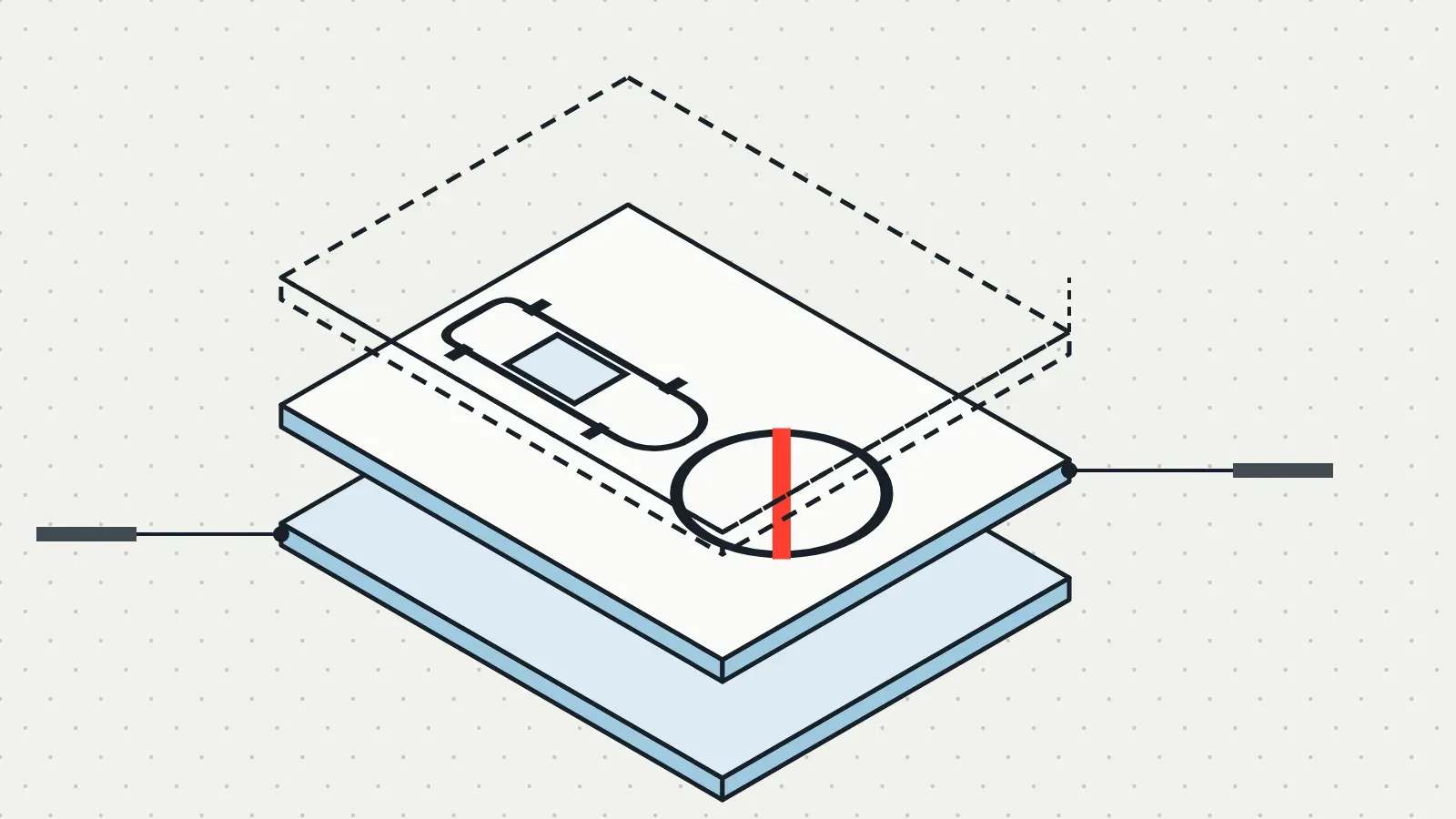
Core coverage
Uninsured motorist coverage (UM)
Pays your injuries when an uninsured or hit-and-run driver is at fault. Required in about 20 jurisdictions.
-
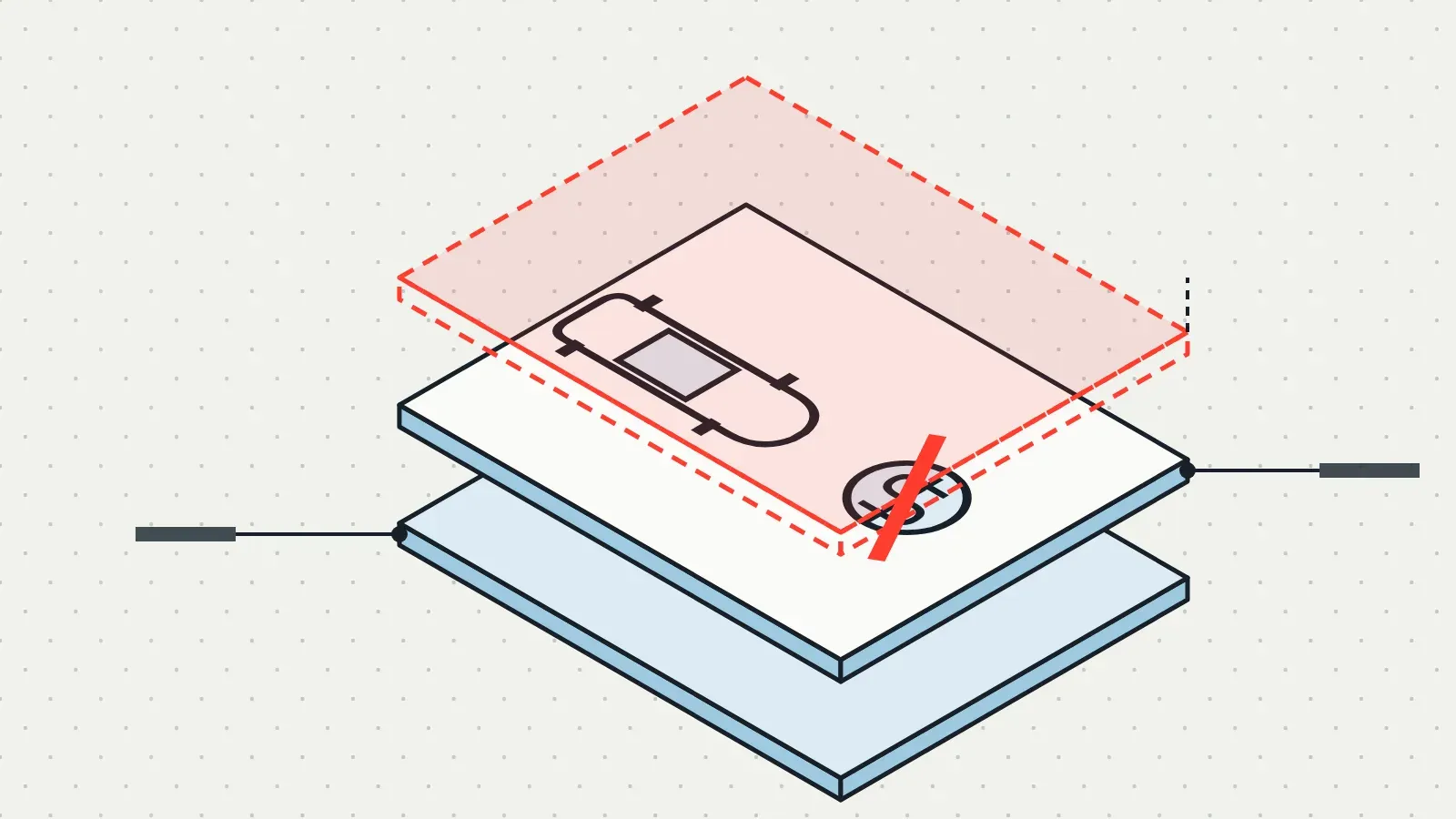
Core coverage
Underinsured motorist coverage (UIM)
Pays your injuries above the at-fault driver's limit. Added-on UIM stacks on their payment; offset UIM subtracts it.
-
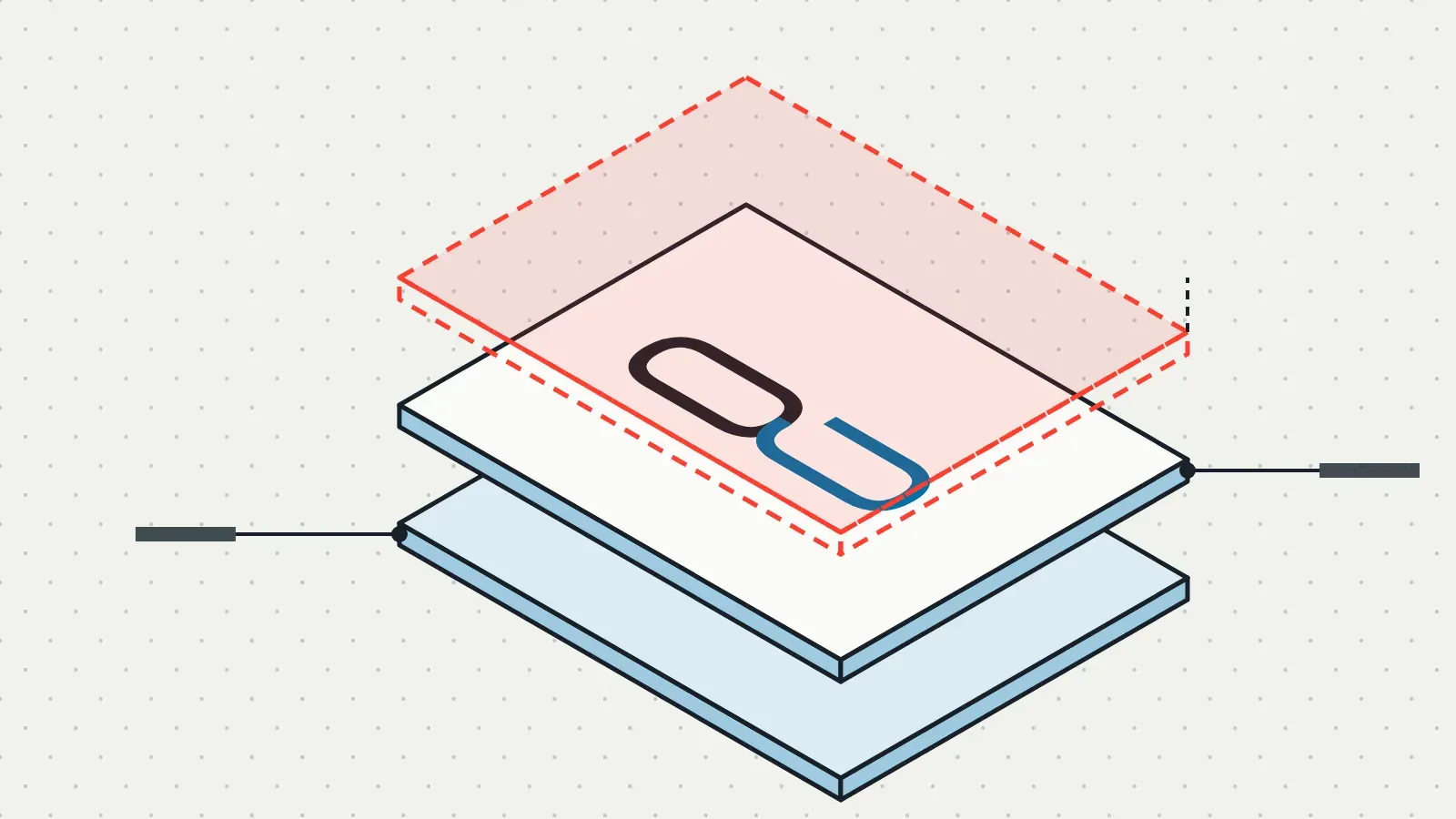
Fine print
Stacking UM/UIM coverage
Whether UM limits on several cars add up. Pennsylvania and Florida stack by default; California bans it.