Deductible add-on
Vanishing deductible: a deductible that steps down while you don't claim
Your deductible is the part of a car damage claim you pay yourself. This add-on shaves it down a little each claim-free year. Here is how the credits work, when they reset, and how to judge whether the feature beats simply choosing a lower deductible.
By CoverOath Editorial Team Updated 6 min read
The promise, in short
A vanishing deductible gives you a credit against your collision and comprehensive deductible for each year of driving without a claim or other qualifying event. Nationwide, which sells a Vanishing Deductible, describes $100 a year up to $500, with the first $100 applied after a 30-day wait and the credit reset to $100 after a claim. It does not change liability coverage, which has no deductible. Insurers that offer a version set their own amounts and rules, and availability varies by state. Compare the feature's cost with the price of a lower deductible before adding it.
- Applies to
- Collision, comprehensive
- Nationwide credit
- $100 a safe year
- Nationwide maximum
- $500 in total
- After a claim
- Credits reset
What the deductible is, and what the add-on changes
A deductible is the amount you pay toward a covered claim before the insurer pays the rest. The Insurance Information Institute notes that it applies each time you file a claim and that, on an auto policy, it applies to coverage for damage to your car, collision and comprehensive, not to liability. Choose a $500 collision deductible and a $4,000 repair costs you $500; the insurer pays $3,500.
A vanishing deductible adds a running credit against that amount. Each qualifying year lowers what you would pay on your next claim. The promise does nothing until you have a damage claim; then it lowers your share of that one claim, and the counter starts again.
Two things stay the same. The deductible printed on your declarations page is still the one you chose; the credit is subtracted from it when a claim is paid. And the coverage itself does not change: what collision and comprehensive pay for, their limits and their exclusions are exactly as before. The add-on only moves the line between your share of a covered repair and the insurer's.
How the credits build
Nationwide's description is the clearest public example. After a 30-day waiting period, an initial $100 credit is applied when you add the feature. The deductible then drops by $100 for each year of safe driving, up to a total credit of $500. Annual credits are subject to eligibility requirements, and details and availability vary by state.
| Point in time | Credit | You would pay on a claim |
|---|---|---|
| When added, after 30 days | $100 | $400 |
| After 1 safe year | $200 | $300 |
| After 2 safe years | $300 | $200 |
| After 3 safe years | $400 | $100 |
| After 4 safe years | $500 (maximum) | $0 |
On a $1,000 deductible the same credits stop at $500, so the deductible never reaches zero. The credit is a fixed dollar amount, not a share of the deductible, which is why the feature does more for a low deductible than for a high one. Seen the other way, the full $500 credit erases a $500 deductible but only halves a $1,000 one. If you raised your deductible to lower the premium, the add-on gives back part of that choice, not all of it.
Comprehensive claims count too. A broken windshield, a hail dent or a theft claim that uses the comprehensive deductible draws on the same credit in a program like Nationwide's, which applies it to comprehensive and collision alike. A small glass claim can therefore use up years of built credit; ask whether your program treats glass differently before you file.
What happens after a claim
The credit is used up on the claim that needs it. Nationwide says its reward is then reset to $100 rather than to zero, so part of the saving remains, and the yearly steps begin again from there. Other insurers' versions may reset differently or define a "safe" year in their own terms, for example by counting tickets as well as claims.
Counts against the credit
A claim on collision or comprehensive that uses the deductible. Read the program rules for what else can stop or reset the credits.
Usually outside it
Liability claims, since liability has no deductible, and coverages that have their own deductible rules.
Vanishing deductible or a lower deductible
The add-on is one way to pay less out of pocket on a future claim. The other is simply to choose a lower deductible today. The III notes that raising a deductible, for example from $200 to $500, can reduce the premium for collision and comprehensive, and that $1,000 may save more. Lowering it works the other way. Ask your insurer to price both options side by side:
- Price the feature. Ask what the vanishing deductible adds to your premium each year.
- Price the alternative. Ask what the premium would be with the deductible already lowered by $100, $200 or $500.
- Count the years. The credit reaches its maximum only after several claim-free years, while a lower deductible applies from day one.
- Run the numbers. The add-on break-even calculator shows how many years the feature needs to pay back its cost.
The feature makes most sense for a driver who keeps the same insurer for years, rarely claims and keeps a moderate deductible. It makes less sense for a car near the end of its life, where you may soon drop collision altogether; the keep-collision calculator helps with that call.
How to check it on your policy
- Declarations page. Look for the feature by name and the deductible it applies to, for each car.
- Current credit. Ask the insurer what credit you have built up and where it is shown, such as your online account or renewal papers.
- Program rules. Ask what counts as a safe year, what resets the credit, and whether it applies to each car or the whole policy.
- Related promises. Accident forgiveness is a separate program about your premium, not your deductible.
Questions drivers ask
Does a vanishing deductible apply to liability claims?
No. Liability coverage has no deductible. The credit applies to your collision and comprehensive deductible, the coverages that pay for damage to your own car.
Can my deductible really go to zero?
It depends on the size of the deductible and the program's maximum. With Nationwide's $500 maximum credit, a $500 deductible can reach zero; a $1,000 deductible cannot.
What happens to my credit if I file a claim?
The credit is applied to that claim. Nationwide says its reward then resets to $100 and builds again; other insurers' programs may differ.
Is a vanishing deductible the same as accident forgiveness?
No. A vanishing deductible lowers what you pay on a claim. Accident forgiveness keeps a qualifying accident from raising your premium. Some drivers carry both.
Drawn from
- Nationwide — Vanishing Deductible (Nationwide's own program)
- Insurance Information Institute — Understanding your insurance deductibles
- NAIC — Auto insurance consumer guide
Facts on this page were checked against these sources on November 15, 2026. The $100 yearly credit, $500 maximum, 30-day wait and reset to $100 are Nationwide's published terms; other insurers' versions set their own amounts, and the worked table is an illustration, not a quote.
Have this coverage priced
CoverOath doesn't sell insurance. Answer five questions and CoverOath passes your request to licensed insurance agents and insurers, who can quote the coverage; you decide whether to buy anything.
- 1 The coverage you want priced.
- 2 Where an agent can reach you, and your consent.
- 3 A licensed insurance agent or insurer contacts you with a quote. Nothing is bought until you agree.
CoverOath is not paid by you. The licensed insurance agents and insurers who contact you set their own prices and terms. How we make money.
Adjacent layers
-

Add-on
Accident forgiveness
Keeps one qualifying at-fault accident from raising your premium; it pays nothing, and the accident stays on record.
-
Core coverage
Collision coverage
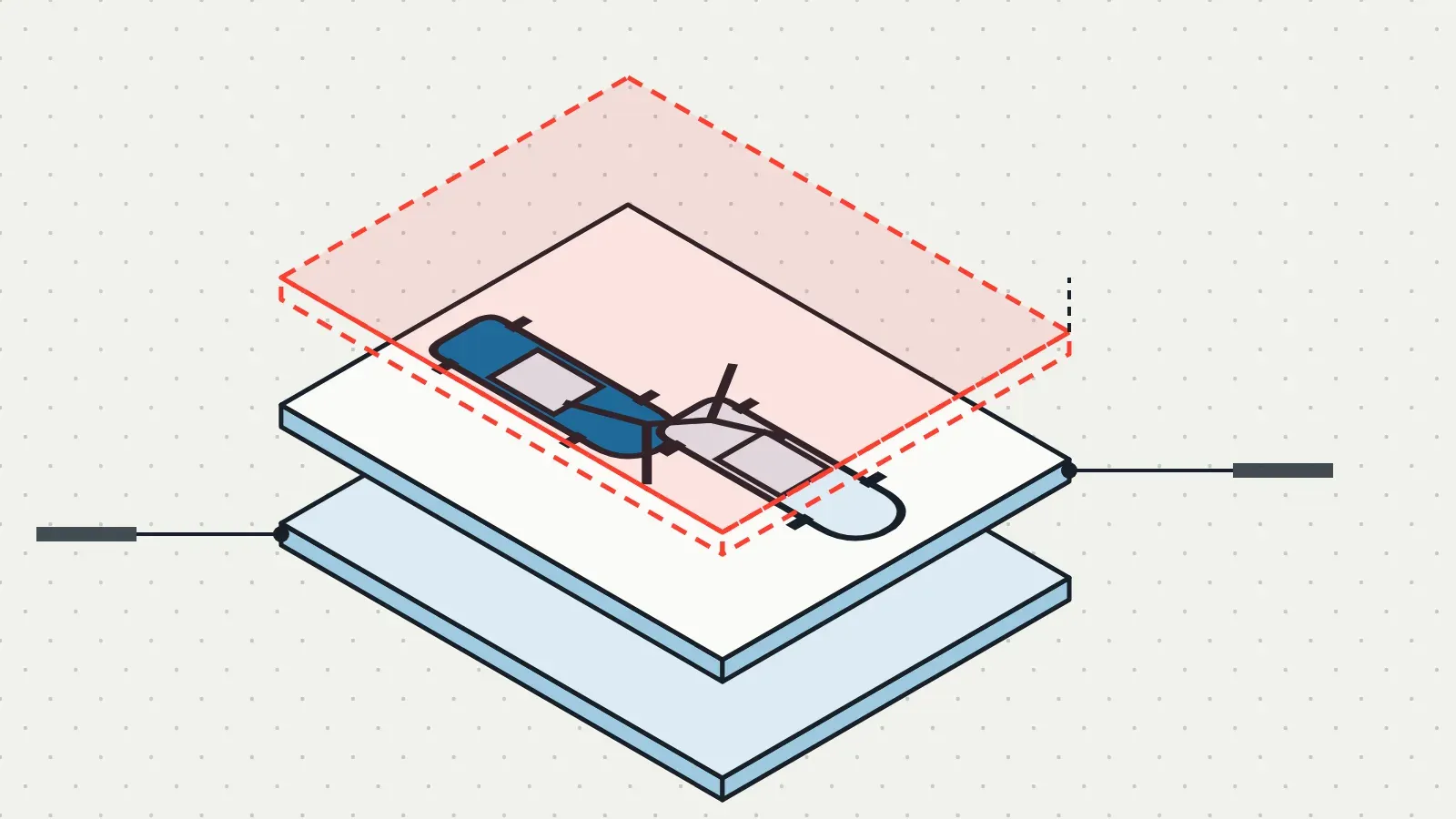
Pays to fix or replace your car after a crash, at fault or not, minus your deductible and up to its value.
-
Core coverage
Comprehensive coverage
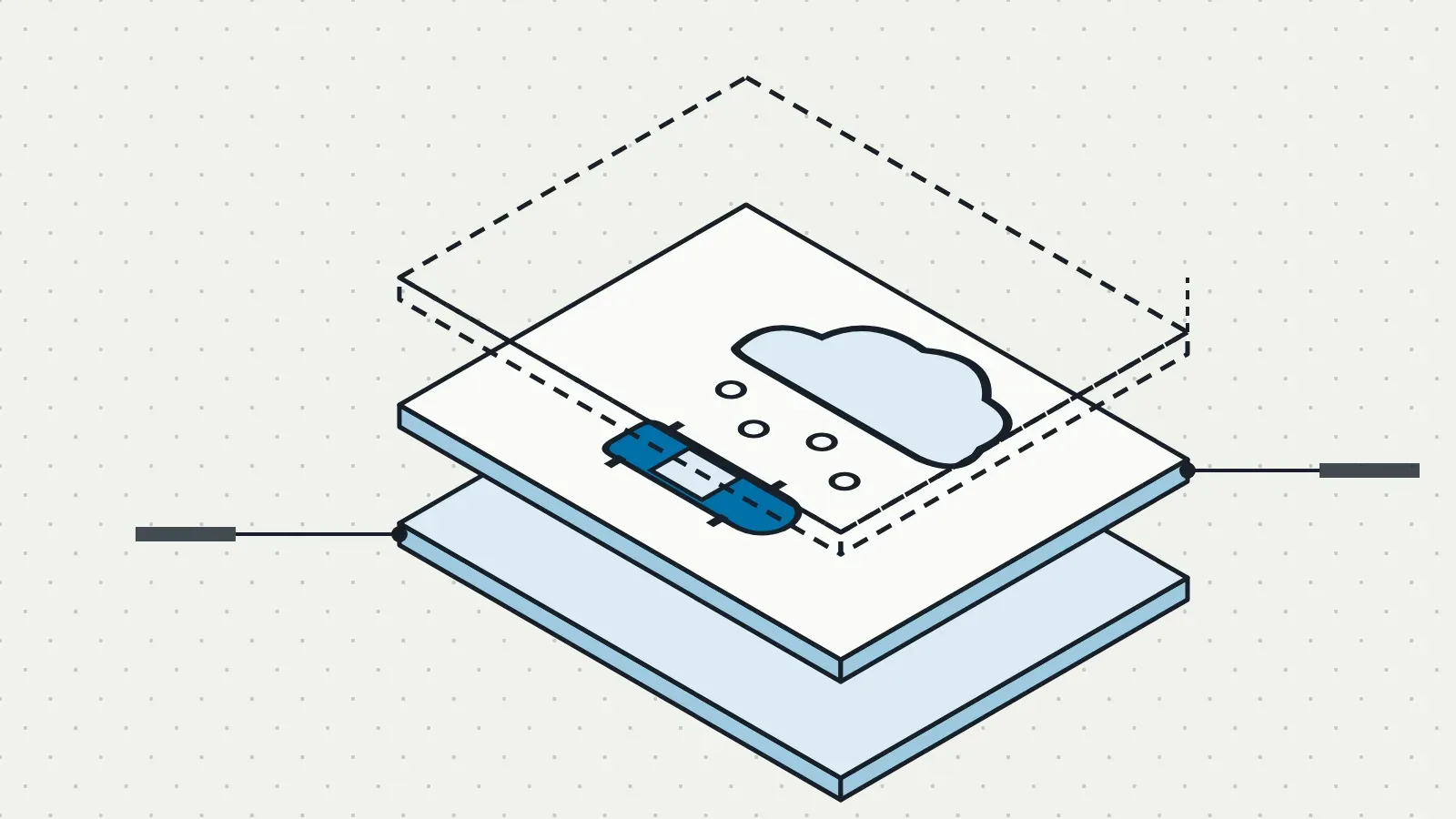
Pays for theft, hail, fire, flood, vandalism and animal strikes to your car, minus your deductible.