Offer, reject in writing
Georgia coverage menu: liability required, uninsured motorist on the policy unless you reject it
Georgia requires only liability, but every policy comes with uninsured motorist coverage, and by default it stacks on top of the at-fault driver's insurance. Here is what each line promises and what a signature can change.
By CoverOath Editorial Team Updated 6 min read
The promise, in short
Georgia requires 25/50/25 liability: $25,000 per injured person, $50,000 per crash and $25,000 for property damage. Every policy must also include uninsured motorist coverage, which in Georgia also covers underinsured drivers, unless a named insured rejects it in writing. Unless you choose otherwise in writing, it pays on top of the at-fault driver's liability coverage. Georgia has no PIP; medical payments coverage is optional. The Office of Commissioner of Insurance and Safety Fire answers consumers at 800-656-2298.
- Minimum liability
- 25/50/25
- MedPay
- No PIP; MedPay optional
- UM/UIM
- Offered, reject in writing
Georgia coverage menu
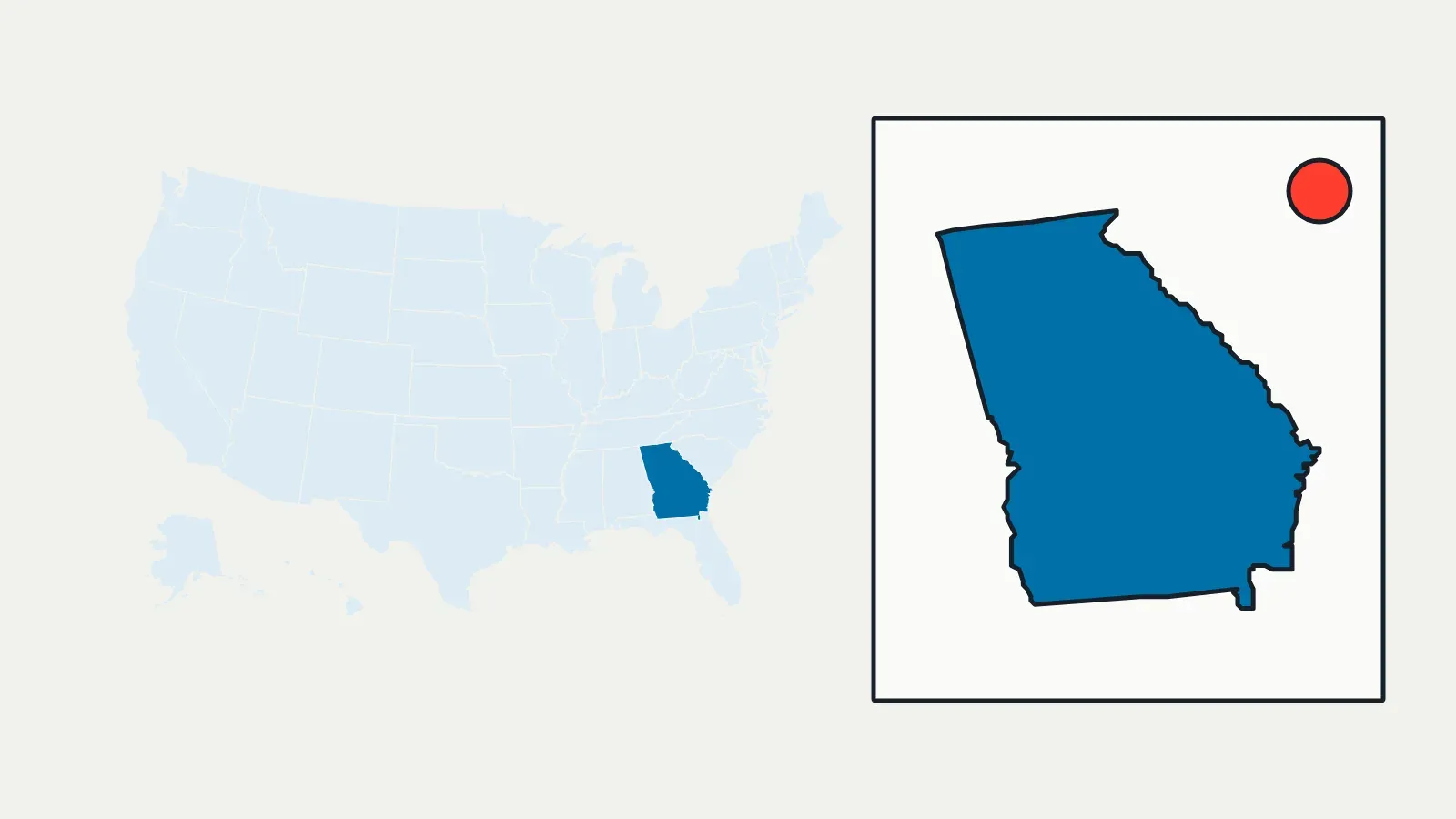
What a Georgia policy must carry
Georgia law requires bodily injury liability and property damage liability at 25/50/25 or more. These pay other people when you are at fault. Nothing in the required minimum pays for your own injuries or your own car.
| Coverage | Minimum | What it pays |
|---|---|---|
| Bodily injury, per person | $25,000 | One injured person's claim against you |
| Bodily injury, per accident | $50,000 | Everyone you injure in one crash |
| Property damage | $25,000 | Other people's cars and property |
Higher limits cost more but leave less of a large claim on you. The page on how much liability coverage you need walks through the choice.
Uninsured motorist coverage comes with the policy
Under O.C.G.A. § 33-7-11, a liability policy for a car principally garaged or used in Georgia must include uninsured motorist coverage. You choose the limit: at least $25,000 a person, $50,000 a crash and $25,000 for property damage, or limits equal to your liability limits if those are higher. You may also select UM limits below your liability limits.
A named insured can reject UM in writing. After a rejection, the same insurer does not have to add UM back at renewal. Umbrella and excess policies do not have to include UM unless they say so.
Added on (the default)
Your UM pays in excess of the at-fault driver's liability coverage, up to your own UM limit, as long as the total does not exceed your losses. This is what you get unless you sign for the other option.
Reduced by (by written election)
You can reject the added-on form in writing and choose coverage that pays only the difference between the other driver's liability limits and your UM limits. It costs less and pays less.
A simple example shows the gap. Say the at-fault driver carries $25,000, your UM limit is $50,000 and your losses are $100,000. With added-on UM, you can collect the other driver's $25,000 and up to $50,000 more from your own insurer, $75,000 in all. With reduced-by UM, your insurer pays only the $25,000 difference between the two limits, so you collect $50,000 in all. The rest of the loss stays with you in both cases.
Property damage, deductibles and hit-and-run
- Property damage: Georgia UM includes damage to your car and personal property inside it. See UM property damage.
- Deductibles: insurers must offer $250, $500 or $1,000 deductibles at a reduced premium. None may be below $250.
- Hit-and-run: when the other driver is unknown, the statute requires physical contact with you or your property, unless an eyewitness other than you backs up your account. The crash must be reported as Georgia law requires.
PIP, MedPay and stacking
Georgia has no PIP requirement. Medical payments coverage is optional, along with rental reimbursement and towing. Collision and comprehensive are optional under state law, though a lender will require them on a financed car.
The UM statute does not use the word "stacking," and it does not say whether limits on several cars or several policies combine. Georgia court decisions have dealt with the question case by case, so your policy's limit of liability section decides in practice. How stacking works explains the terms.
If you own several cars, ask the insurer in writing how its policy treats UM on more than one vehicle. The answer is part of the contract you are buying.
Where to check and complain
- Read your declarations page for your liability and UM limits and whether UM is added on or reduced by.
- Ask the insurer for any signed rejection or election form if UM is missing or reduced.
- Contact the Georgia Office of Commissioner of Insurance and Safety Fire at 800-656-2298 or 404-656-2070 if an insurer will not explain a coverage.
Questions drivers ask
Is uninsured motorist coverage required in Georgia?
It must be included in every liability policy, but a named insured can reject it in writing. Without that rejection, it is on your policy.
What is added-on UM in Georgia?
It is the default form: your UM pays on top of the at-fault driver's liability coverage, up to your UM limit and not more than your losses. The reduced-by form, which pays only the difference, requires a written election.
Does Georgia require PIP?
No. Georgia does not require PIP. Medical payments coverage is optional.
Drawn from
- Georgia Office of Commissioner of Insurance and Safety Fire — Auto insurance
- O.C.G.A. § 33-7-11, uninsured motorist coverage (2025 Code of Georgia, Justia)
- Georgia OCI — Consumer Services Division contacts
Facts on this page were checked against these sources on November 15, 2026. The added-on default comes from O.C.G.A. § 33-7-11(b)(1)(D)(ii) in the 2025 Code of Georgia.
Have this coverage priced
CoverOath doesn't sell insurance. Answer five questions and CoverOath passes your request to licensed insurance agents and insurers, who can quote the coverage; you decide whether to buy anything.
- 1 The coverage you want priced.
- 2 Where an agent can reach you, and your consent.
- 3 A licensed insurance agent or insurer contacts you with a quote. Nothing is bought until you agree.
CoverOath is not paid by you. The licensed insurance agents and insurers who contact you set their own prices and terms. How we make money.
Adjacent layers
-
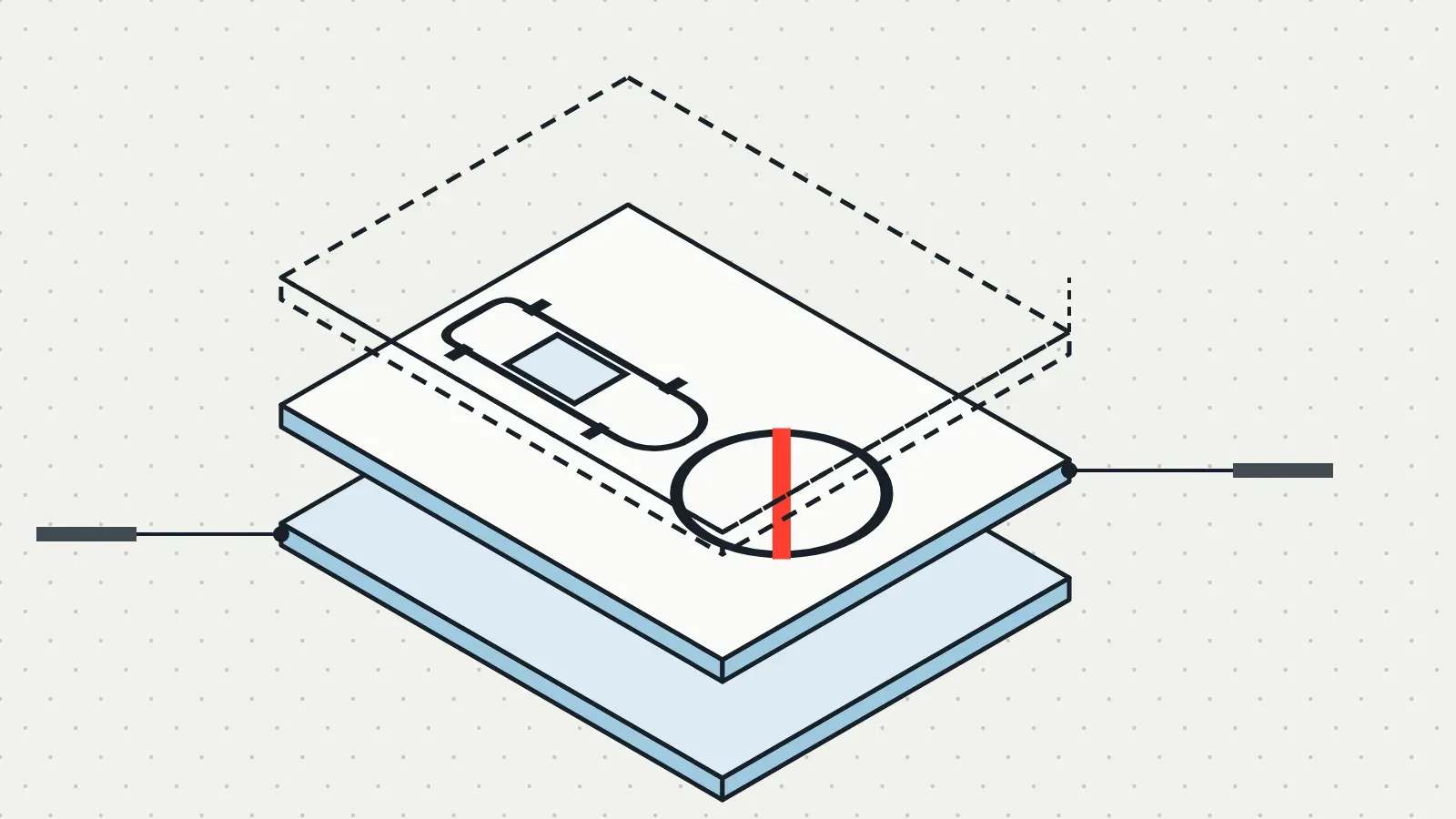
Core coverage
Uninsured motorist coverage (UM)
Pays your injuries when an uninsured or hit-and-run driver is at fault. Required in about 20 jurisdictions.
-
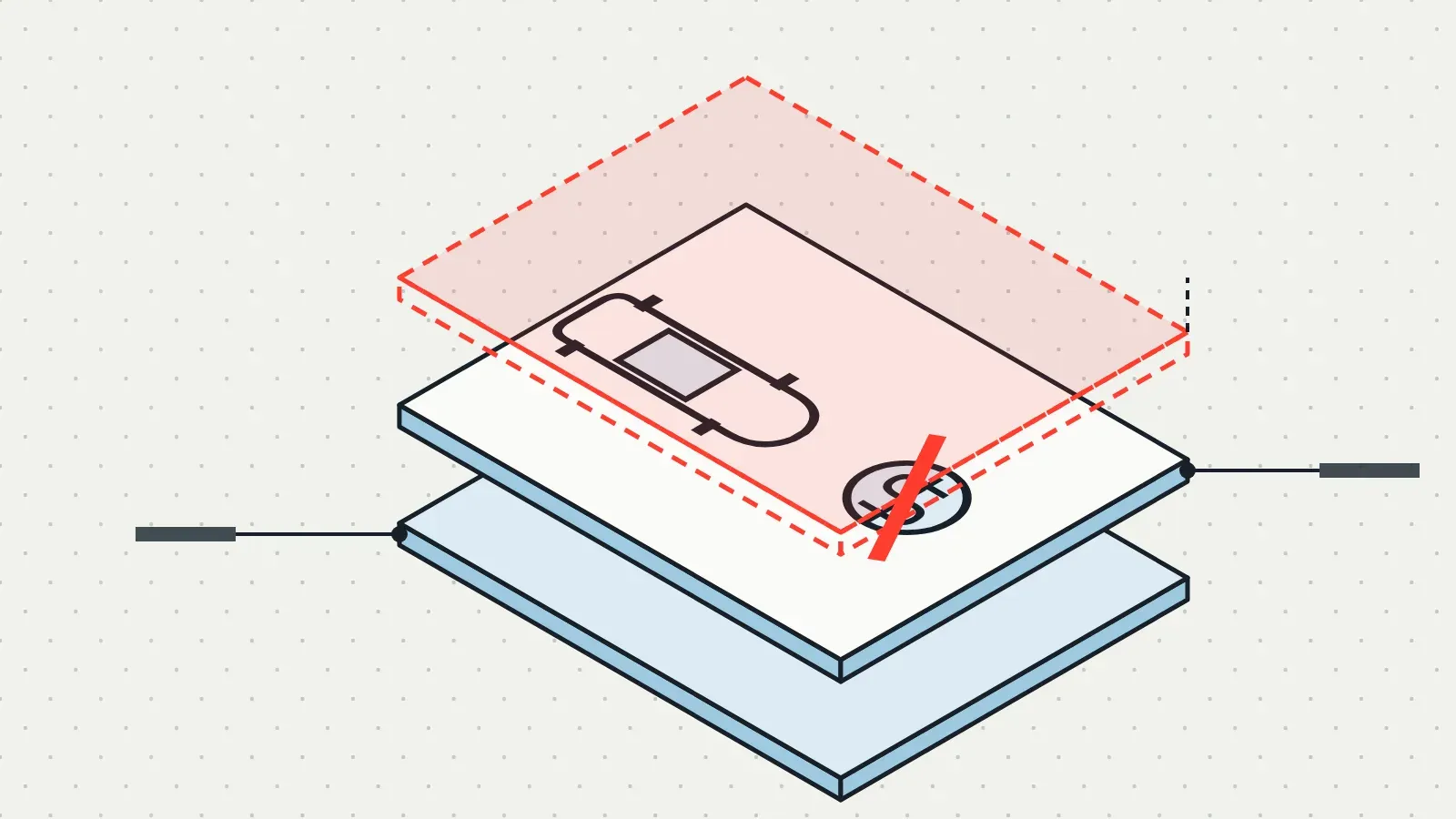
Core coverage
Underinsured motorist coverage (UIM)
Pays your injuries above the at-fault driver's limit. Added-on UIM stacks on their payment; offset UIM subtracts it.
-
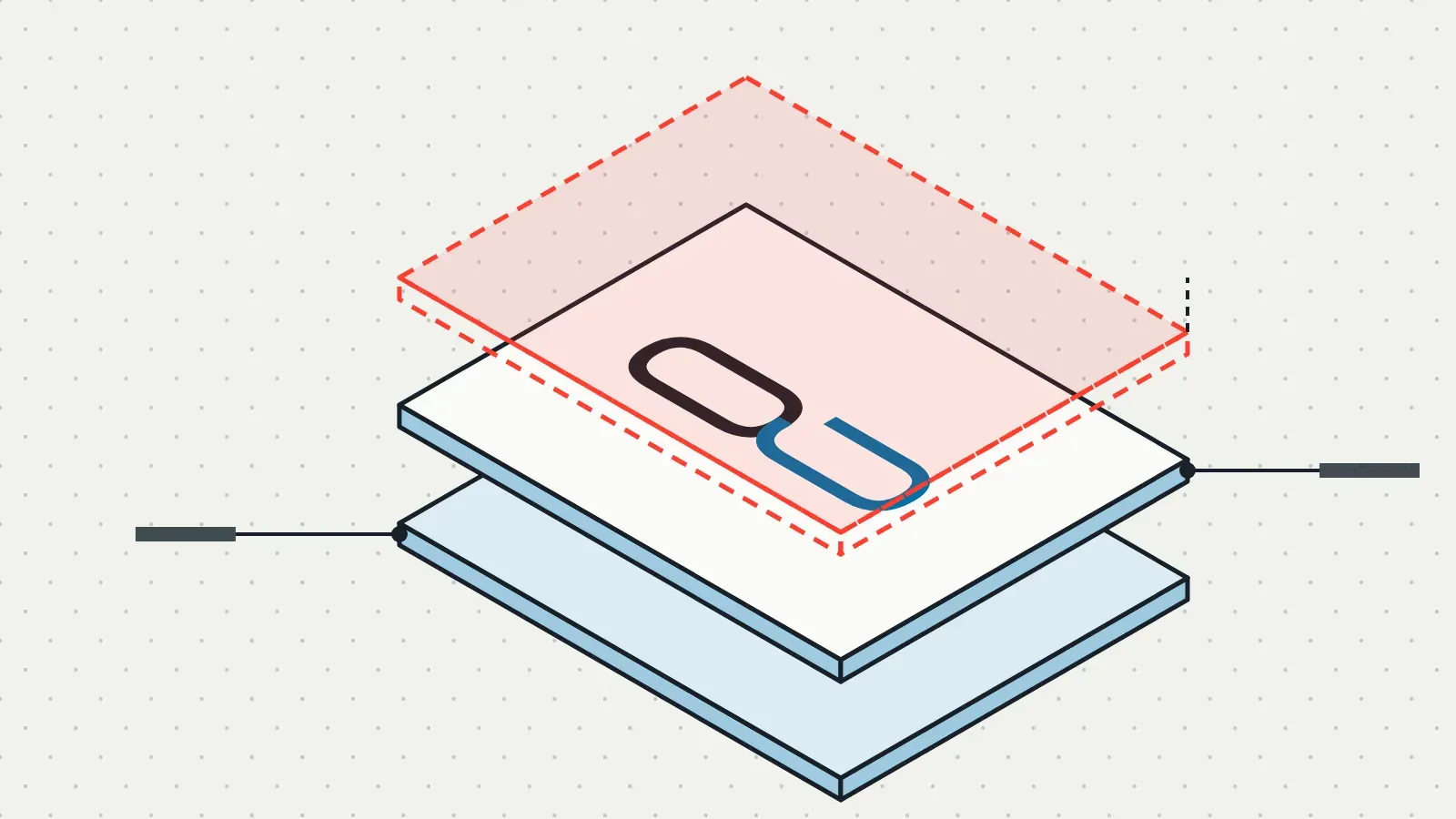
Fine print
Stacking UM/UIM coverage
Whether UM limits on several cars add up. Pennsylvania and Florida stack by default; California bans it.