Road trip add-on
Trip interruption coverage: the plate for the night you didn't plan
When your car is wrecked or breaks down on a trip, the repair is only one bill. This add-on pays for where you sleep and eat while you wait, up to a small, fixed limit.
By CoverOath Editorial Team Updated 6 min read
The promise, in short
Trip interruption coverage pays reasonable lodging, meals and transportation when your car is disabled far from home. In the standard ISO endorsement, the car must be more than 100 miles from home and out of use for at least 24 hours, and the coverage pays up to $600 with no deductible. Insurers' own versions differ: some use 50 miles, some pay only after a crash or other covered loss and not after a breakdown. It pays after warranties, auto clubs and service contracts, so check what you already have before adding it.
- Pays for
- Lodging, meals, travel
- ISO form trigger
- Over 100 miles from home
- ISO form limit
- $600, no deductible
- Car out of use
- At least 24 hours
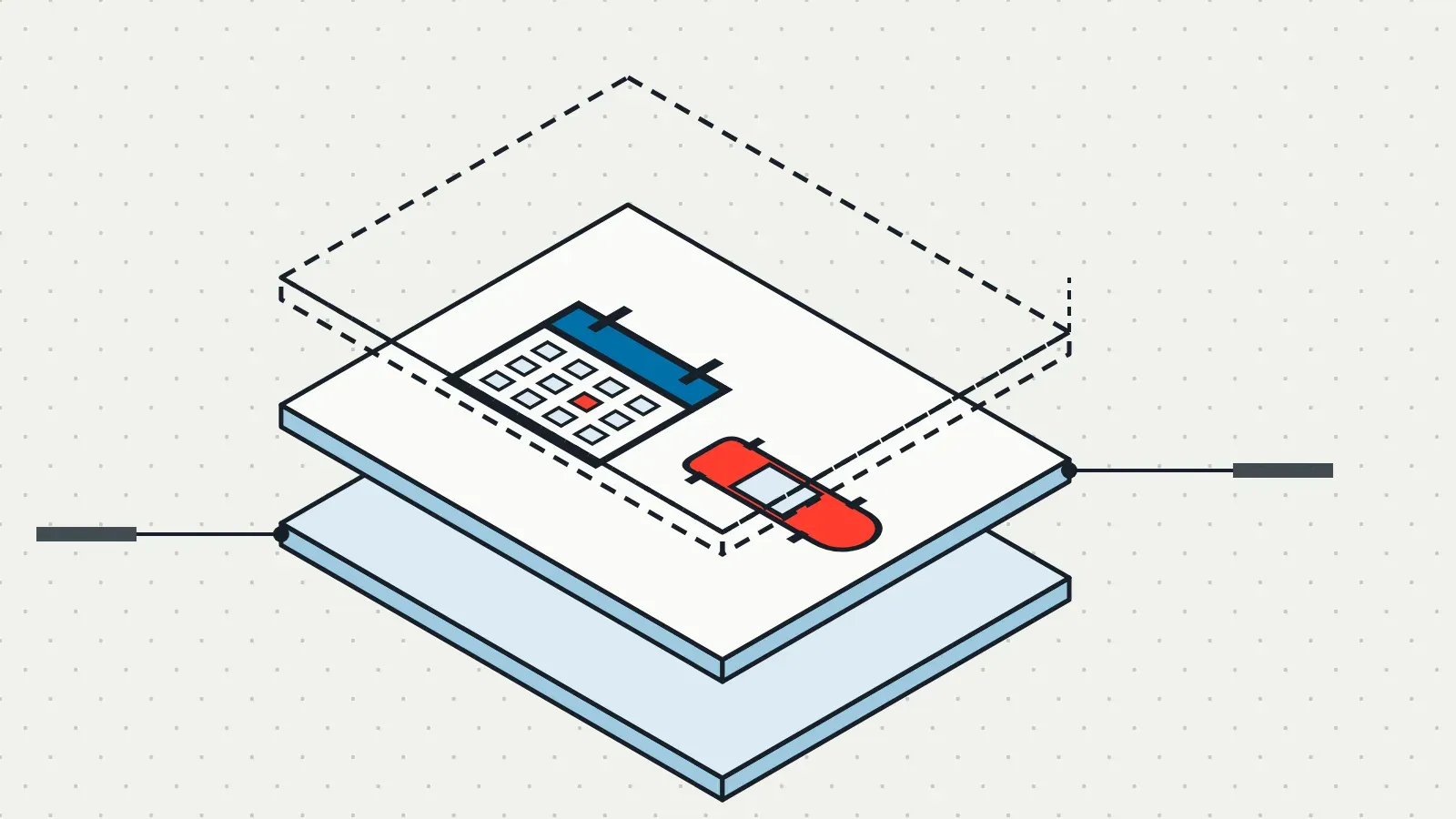
What the endorsement promises
Your collision and comprehensive coverages pay to fix the car. They don't pay for the motel room while the shop waits for a part. Trip interruption coverage is a small endorsement that pays those side costs when a loss strands you on the road.
The model wording comes from the Insurance Services Office (ISO), which writes standard forms many insurers adopt or adapt. Its Trip Interruption Coverage endorsement, form PP 13 02, is on file with Virginia's State Corporation Commission. It applies only to a car listed in the schedule or declarations with a premium charge for the coverage, so it is not automatic.
- Lodging and meals after a crash, after another covered loss such as theft, fire or hail, or after a mechanical or electrical breakdown.
- Transportation, such as a bus ticket or a car to continue the trip, but in the ISO form only after a breakdown.
- No deductible and a single maximum limit of $600 per loss.
When it applies
The ISO form sets two conditions, and both must be met. The loss or breakdown has to happen more than 100 miles from home, and the car has to be withdrawn from use for at least 24 hours. A flat tire fixed the same afternoon doesn't qualify, and neither does a crash across town.
| Situation | Does it usually pay? | What decides it |
|---|---|---|
| Crash 300 miles from home, car in the shop for 3 days | Yes, lodging and meals | Up to $600 in total |
| Engine failure 150 miles from home | Yes in the ISO form | Some insurers pay only for covered losses |
| Crash 40 miles from home | No | Distance from home |
| Breakdown far away, fixed in 5 hours | No | Car out of use under 24 hours |
Payment is limited to the time reasonably needed to get back on your planned route or to return home. If you decide to stay an extra week once the car is ready, the extra nights are yours. The form also pays only reasonable expenses, so a luxury suite near a roadside motel may not be paid in full. Keep your choices in line with what the stop actually requires.
How insurers' versions differ
Not every insurer uses the ISO form, and the name changes too: travel expenses, trip interruption, travel interruption. Read the definitions rather than the label.
Distance
The ISO form uses more than 100 miles. State Farm says its travel expenses coverage applies to losses "far" from home, often defined as 50 or 100-plus miles, and tells customers to check the policy.
Breakdowns
The ISO form pays after a mechanical or electrical breakdown. State Farm says breakdowns that its comprehensive or collision coverage would not pay for fall outside its travel expenses coverage.
Limit
The ISO form caps the total at $600. Insurers' versions usually set a maximum per loss; the declarations page shows the figure.
The breakdown point matters most. A coverage tied to a covered loss needs you to carry collision or comprehensive and needs the event to be one of those losses. A version that also pays for breakdowns works more like an auto club benefit.
Where you may already have it
The ISO form pays only after other sources: vehicle warranties, automobile clubs, mechanical breakdown plans and similar programs. If one of those reimburses your hotel, the endorsement pays only what is left, within its limit. Check these before you buy:
- Auto club membership. Some membership levels include trip interruption reimbursement.
- Manufacturer warranty or roadside program. Some include travel costs after a covered breakdown.
- Vehicle service contract or mechanical breakdown insurance. Some list a trip interruption benefit with its own distance rule.
- Rental reimbursement. This pays for a rental car while yours is repaired after a covered loss. The ISO form bars paying twice for the same cost under trip interruption and Part D, the part of the policy that covers damage to your own car.
Who it fits
The coverage fits drivers who take long road trips in their own car, especially in an older car without a warranty, and who have no auto club plan with a travel benefit. For a driver who stays within an hour of home, the 100-mile trigger means it may never pay.
Weigh it as a small premium against a capped benefit. The add-on break-even calculator shows how many trips or years it takes for the add-on to pay back its cost, if a loss happens at all.
How to check it on your policy
- Find it on the declarations page. It appears by car, with its own premium; no premium usually means no coverage.
- Read the endorsement's trigger. Note the distance, the hours out of use, and whether breakdowns count.
- Note the limit. It is usually a single amount per loss, not per day.
- Call before you book. After a loss, tell the insurer where you are and ask what it will reimburse before the costs add up.
Questions drivers ask
Does trip interruption coverage pay for a rental car?
It can pay transportation costs, and in the ISO form that part applies only after a mechanical or electrical breakdown. A rental while your car is repaired after a crash is the job of rental reimbursement; the ISO form does not pay twice for the same cost.
Does it pay if my car breaks down?
The ISO endorsement does, if the breakdown is more than 100 miles from home and the car is out of use for at least 24 hours. Some insurers' versions pay only after a covered loss such as a crash, theft or hail, so read yours.
Do I need collision or comprehensive to buy it?
The ISO form attaches to a specific car shown in the declarations with a premium for the coverage. A version that pays only after a covered loss responds only when collision or comprehensive pays, so without them it would rarely help. Ask your insurer what it requires.
Is it the same as travel insurance?
No. Travel insurance is a separate policy bought for a trip, with its own terms. Trip interruption coverage on an auto policy pays only for the costs of being stranded when your car is disabled, within the endorsement's limit.
Drawn from
- Insurance Services Office, Trip Interruption Coverage endorsement PP 13 02 01 05, as filed with the Virginia State Corporation Commission
- State Farm — Rental reimbursement and travel expenses on road trips (State Farm's own coverage)
- NAIC — Auto insurance consumer guide
Facts on this page were checked against these sources on November 15, 2026. The 100-mile, 24-hour and $600 figures are those of the ISO endorsement; insurers that write their own version set different terms, so the endorsement on your policy decides.
Have this coverage priced
CoverOath doesn't sell insurance. Answer five questions and CoverOath passes your request to licensed insurance agents and insurers, who can quote the coverage; you decide whether to buy anything.
- 1 The coverage you want priced.
- 2 Where an agent can reach you, and your consent.
- 3 A licensed insurance agent or insurer contacts you with a quote. Nothing is bought until you agree.
CoverOath is not paid by you. The licensed insurance agents and insurers who contact you set their own prices and terms. How we make money.
Adjacent layers
-
Add-on
Rental reimbursement
Pays for a rental while your car is repaired after a covered claim, up to a daily cap and a total.
-
Add-on
Roadside assistance
Pays for a tow and roadside labor, such as a jump start or a tire change, up to a limit per breakdown.
-
Companion policy
Mechanical breakdown insurance (MBI)
Pays for covered parts that fail on their own, which car policies exclude. Won't pay what a factory warranty covers.