Collector policy
Classic car insurance: a fixed value in exchange for fewer miles
A regular auto policy values a 40-year-old car like any used car. A classic policy fixes the value in advance and asks for something back: limited driving, a locked garage and a clean record. Here are the terms.
By CoverOath Editorial Team Updated 6 min read
The promise, in short
A classic car policy is a separate auto policy for a vehicle you keep, show and drive now and then. Its central promise is agreed value: you and the insurer settle the car's value when you buy the policy, and a total loss is paid up to that figure without depreciation. In return the insurer limits how you use the car: no commuting or errands, often a mileage cap, storage in a locked, enclosed building, a clean driving record and, with some insurers, another car for daily use. The policy still carries liability, so your state's minimums apply to it too.
- Pays on a total loss
- The agreed value
- Usual age
- 25 to 30 years or more
- Daily driving
- Not allowed
- Storage
- Locked, enclosed building
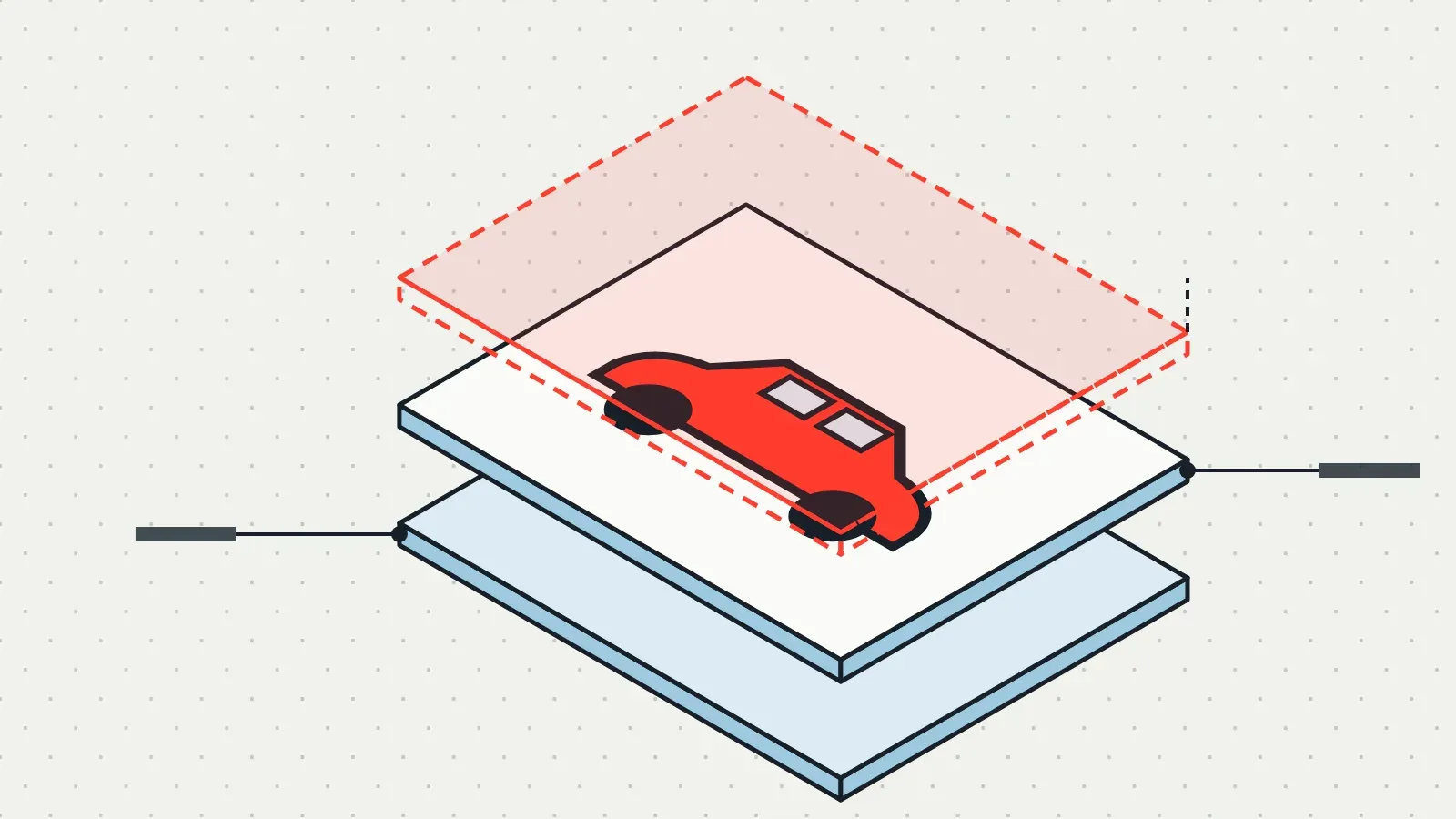
Why a regular policy fits a classic badly
On a standard auto policy, a totaled car is paid at its actual cash value: what a similar car sold for just before the loss, minus your deductible. That works for a five-year-old sedan with plenty of comparable sales. It works poorly for a restored 1967 coupe, where comparable sales are rare, condition varies widely and value may rise rather than fall. An adjuster's figure and yours can be far apart, and the argument starts after the car is gone.
A classic policy moves that argument to the start. The Insurance Information Institute describes it this way: the owner and insurer reach an agreement on the vehicle's value, that value is set in the policy, and the car is covered up to it without depreciation.
Standard auto policy
Total loss paid at actual cash value on the day of the loss, after the deductible. Value is set by the adjuster after the crash.
Classic car policy
Total loss paid up to the agreed value written in the policy. Value is set by you and the insurer before the crash.
What counts as a classic
There is no single definition. The III notes that antique and classic cars are usually at least 25 to 30 years old, that there is no uniform definition of a classic car, and that age alone is not enough to qualify. Insurers look at the car's condition, its use and the owner.
State registration rules use their own labels, and they are not the same as an insurer's. Virginia's antique plates are for vehicles more than 25 model years old. Pennsylvania's fact sheet sets antique registration at more than 25 years and classic registration at 15 years or more. A car can qualify for special plates and still not qualify for a classic insurance policy, or the reverse.
The conditions that come with agreed value
- No everyday driving. The III says a classic car cannot be used for commuting or errands.
- Mileage limits. The III notes the policy may include mileage limitations; ask for the exact cap.
- Shows and club events. Usually allowed, though some insurers restrict them; check for limits on long, multi-day drives.
- Storage. When not in use, the car must usually be kept in a locked, enclosed, private structure such as a home garage or a storage unit.
- Drivers. A clean record is expected; reckless driving, repeated speeding or driving while intoxicated can disqualify you.
- A second car. Some insurers require you to own a primary car for daily use.
The same thinking shows up in registration law. Virginia's antique plates allow club activities, exhibits, tours, parades and occasional pleasure driving within 250 miles of your home, not general daily transportation, and the owner must certify having another vehicle for daily use. Pennsylvania bars antique, classic and vintage plates from general daily transportation and defines occasional use as no more than one day a week.
Setting and keeping the right value
- Document the car. Photos, restoration receipts and records of original or rare parts support the value you propose.
- Agree on a number. The figure you and the insurer settle on is the one that goes on the declarations page.
- Insure the parts too. The III points out that spare parts coverage should match the cost of hard-to-find wheels, transmissions and engine parts.
- Revisit it. After a restoration or a jump in market prices, ask the insurer to update the agreed value at renewal.
A partial loss is a different matter from a total loss. Repairs on a classic depend on parts and skilled labor, so ask how the policy pays for repairs and whether you choose the shop. The agreed value is the cap, not a promise that every repair is paid in full.
How it fits next to your other policies
The classic policy covers the classic. Your daily car stays on its regular policy with its own collision, comprehensive and liability. The classic policy still carries liability and the other coverages your state requires; Virginia's DMV, for example, says antique vehicles must carry motor vehicle liability insurance at the state minimums.
Aftermarket wheels, a new audio system and other non-factory parts deserve a separate look. On a regular policy they fall under custom equipment coverage; on a classic policy, ask whether they are included in the agreed value before you set it. If you carry an umbrella policy, ask whether it requires the classic to carry the same liability limits as your daily car.
Questions drivers ask
Can I drive my classic car to work once in a while?
Usually not under a classic policy. The Insurance Information Institute says classic cars cannot be used for commuting or errands, and a loss during excluded use can be denied. Read your policy's definition of permitted use.
What happens if my classic is worth more than the agreed value?
The policy pays up to the agreed value, not more. Ask your insurer to raise the value after a restoration or a rise in market prices, before a loss.
Do I need antique plates to get classic car insurance?
No. Plates are a state registration matter and insurance is a contract with the insurer; their age and use rules differ. Some owners have both, some only one.
Do I need another car to buy classic car insurance?
Some insurers require you to own a primary car for everyday use. Some states also require it for antique plates; Virginia, for example, asks owners to certify they have another vehicle for daily use.
Drawn from
- Insurance Information Institute — Insuring your classic car
- Virginia DMV — Antique motor vehicles and trailers
- Pennsylvania Department of Transportation — Antique, classic vehicles and vintage registration plates (fact sheet)
Facts on this page were checked against these sources on November 15, 2026. Insurer conditions such as mileage caps and storage rules differ by company; the plate rules quoted are Virginia's and Pennsylvania's only.
Have this coverage priced
CoverOath doesn't sell insurance. Answer five questions and CoverOath passes your request to licensed insurance agents and insurers, who can quote the coverage; you decide whether to buy anything.
- 1 The coverage you want priced.
- 2 Where an agent can reach you, and your consent.
- 3 A licensed insurance agent or insurer contacts you with a quote. Nothing is bought until you agree.
CoverOath is not paid by you. The licensed insurance agents and insurers who contact you set their own prices and terms. How we make money.
Adjacent layers
-
Core coverage
Collision coverage
Pays to fix or replace your car after a crash, at fault or not, minus your deductible and up to its value.
-
Add-on
Custom equipment coverage
Pays for parts added after the factory. The ISO policy excludes custom furnishings in pickups and vans.
-
Fine print
Car insurance exclusions
Intentional damage, paid rides and deliveries, wear and breakdowns: what personal auto policies commonly leave out.